Whinchat Facts
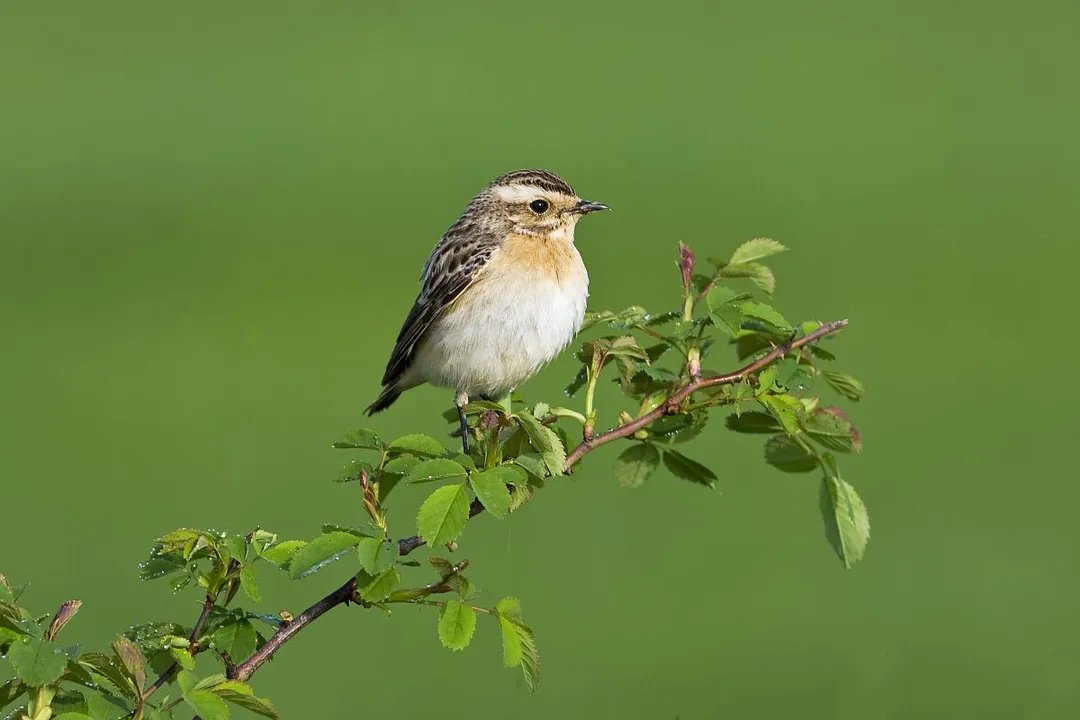
The Whinchat, Saxicola rubetra, is a small migratory bird belonging to the chat family, often placed within the Old World flycatchers, though it shares common ancestry with the thrushes. This diminutive feathered creature, barely larger than a sparrow, presents a striking appearance, particularly the male during the breeding season. Measuring roughly 13 centimetres in length and weighing around 16 grams, its size immediately suggests a creature of swift movement and delicate constitution.
# Appearance
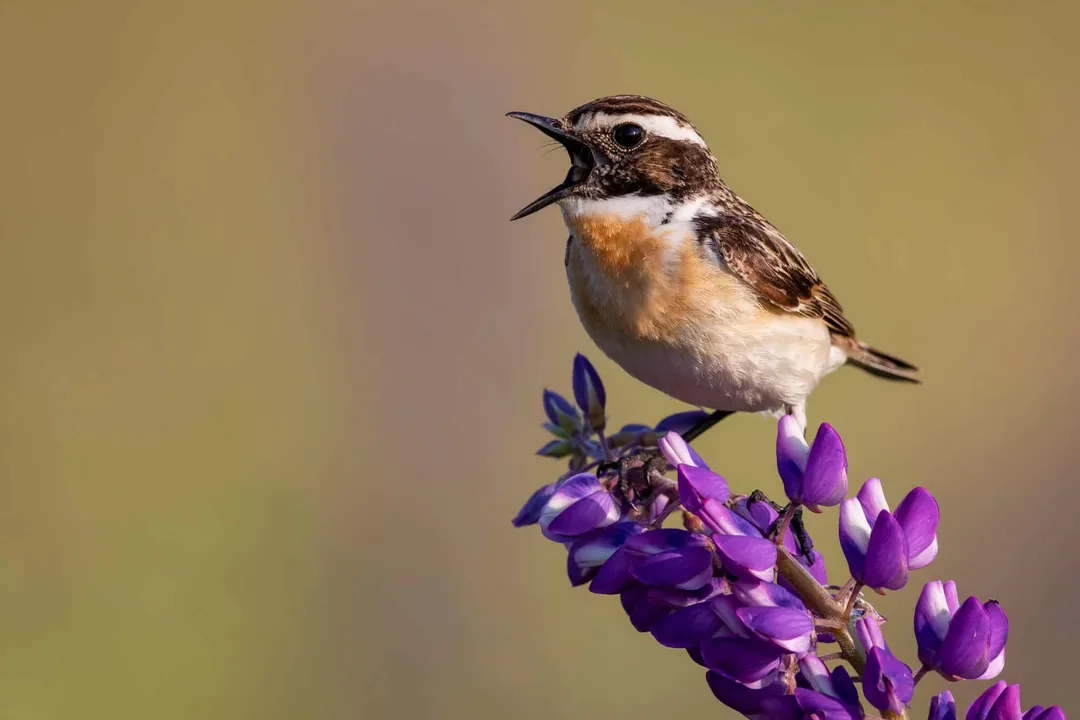
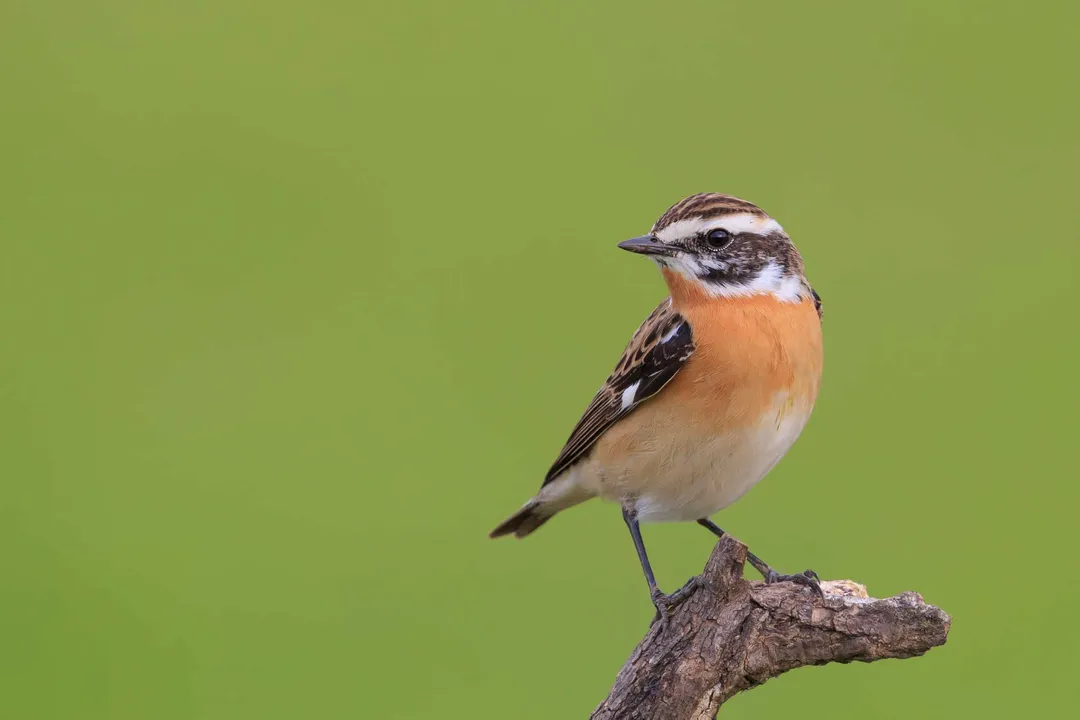
The visual distinction between the sexes is quite marked, a common feature in many passerines. The breeding male Whinchat is immediately recognizable by its distinctly patterned head and breast. He sports a black face contrasted sharply by a bright, clean white supercilium, which is the stripe above the eye, giving him an alert expression. His back is a mottled brown streaked with black, while the throat and breast glow with a rich, warm rusty-orange hue that fades into paler buff or white on the belly. One of the most noticeable field marks, present in both sexes, is the conspicuous white patch on the wing, which flashes brilliantly when the bird is in flight, acting almost like a signal flag against the landscape. The tail is relatively short and dark.
Females, in contrast, present a much subdued palette. They lack the male’s crisp black and white head pattern, instead displaying a general brownish coloration over their upper parts. Their underparts are paler, perhaps a buffy wash rather than the male’s vibrant orange. Juvenile birds resemble the female but are generally duller and more heavily streaked overall, a pattern that helps them blend into dense vegetation while vulnerable. When observing a Whinchat, the bright wing flash remains the most reliable indicator distinguishing it from similar species, especially when the bird is seen darting between perches.
# Range
Whinchats are long-distance migrants, necessitating a vast geographical range that spans several continents for their annual cycle. Their breeding grounds are spread across a significant portion of the northern Palearctic realm, extending from Western Europe eastward across Siberia and into Japan. This extensive breeding range suggests a high degree of adaptability to varied northern temperate environments.
The true measure of their migratory nature is revealed in their wintering destinations. While northern European populations typically migrate to West and Central Africa, others travel further south or east to spend the non-breeding season in sub-Saharan Africa, India, or Southeast Asia. This means that an individual bird that spends the summer in, say, a Scottish moor might spend the winter foraging in the savannas south of the Sahara. The sheer distance involved is staggering; the total round trip for some individuals can easily exceed 10,000 kilometres. For birds breeding in the UK, their migration often involves passage through continental Europe, suggesting significant pressures on both breeding and staging habitats across their route.
# Habitat
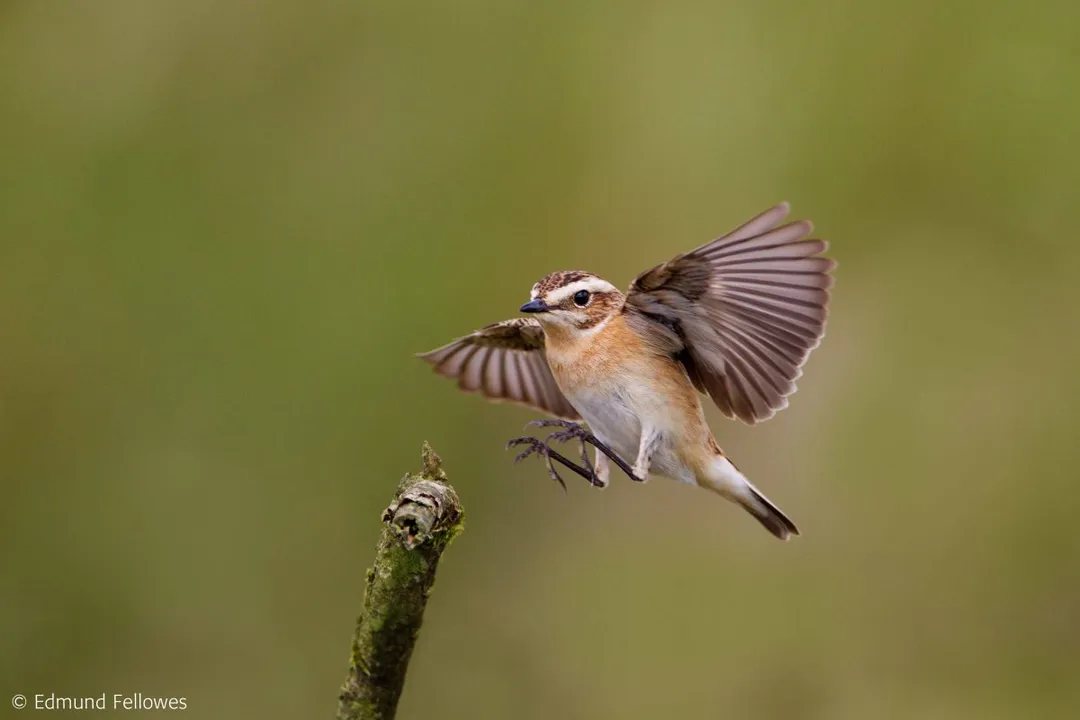
The Whinchat is intrinsically linked to open, low-vegetation landscapes, shunning dense woodlands for areas where the ground cover is relatively short or scrubby. Their preferred breeding habitats across their range include rough grasslands, heathlands, moorlands, bogs, and marsh edges. A key requirement seems to be the availability of suitable, low perches, such as thistle heads, gorse bushes, or fence posts, from which the male can survey his territory and deliver his song.
In agricultural settings, they often favour areas of unimproved pasture or land regenerating after disturbance, such as young tree plantations where the ground layer is still open. The need for low scrub for both perching and nesting suggests that habitat management practices that encourage very short, manicured lawns or, conversely, overly dense, mature woodland, are detrimental to their presence. This preference means that traditional, less intensively managed agricultural landscapes often provide ideal mosaic habitats for them. The success of a local breeding pair often hinges on the structure of the vegetation immediately surrounding the nest site.
# Diet
As a typically energetic, ground-feeding insectivore, the Whinchat's diet is heavily reliant on the availability of terrestrial invertebrates. Their primary food sources consist of insects and spiders encountered on the ground or in low vegetation. Specifically, they actively hunt for beetles, grasshoppers, flies, and various spiders.
The foraging strategy is characteristic of many chats: the bird will perch low, keeping a sharp lookout over the open ground. Once prey is spotted, it makes a quick, direct sally or swoop down to seize the victim before often returning to the same perch or a nearby one to consume the meal. This method of hunting requires good visibility across the foraging area, reinforcing their preference for open habitats over dense undergrowth. Their diet shifts slightly depending on seasonal availability, but the insectivorous foundation remains constant throughout the breeding season.
# Breeding
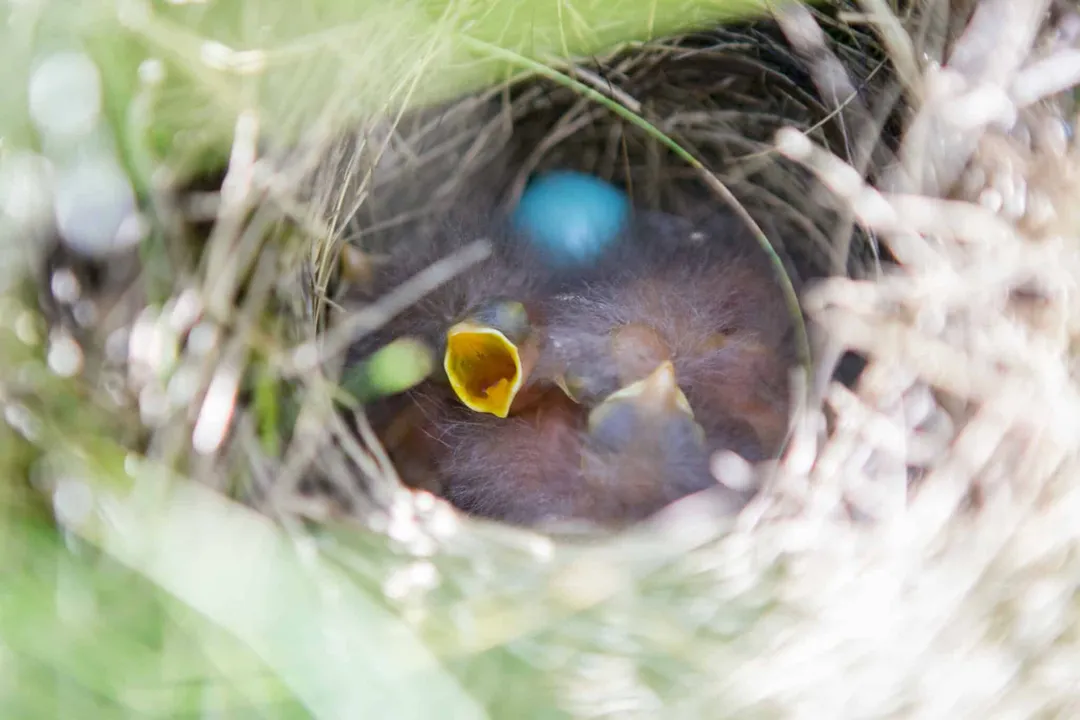
The breeding cycle of the Whinchat is relatively intense, given their necessity to raise young before undertaking their long migration south. The female is solely responsible for the construction of the nest, which is a carefully concealed cup woven from grasses, moss, and other fine plant materials. This nest is typically placed very low to the ground, often tucked into a thick clump of grass or hidden within dense, low-lying vegetation, providing essential camouflage from predators.
A typical clutch size ranges from four to six eggs. These eggs are pale blue or greenish-blue, sometimes speckled, and are incubated by the female alone for approximately 13 days. Once hatched, the demanding process of feeding the altricial chicks begins, shared by both parents. The nestling period, or the time spent in the nest before fledging, lasts around 12 days.
Here is a comparison of some key reproductive metrics for the Whinchat, which helps frame the pressure of their short breeding window:
| Feature | Detail |
|---|---|
| Clutch Size | 4–6 eggs |
| Incubation Period | c. 13 days |
| Nestling Period | c. 12 days |
| Nest Location | Low in grass clumps/scrub |
The entire process, from laying to the young becoming self-sufficient flyers, must be completed within the relatively brief span of a northern European or Asian summer. This compressed timeline means that any failure in the first nesting attempt must be remedied quickly, perhaps through a very rapid second clutch, if the season allows for it, to ensure the young are ready for the autumn migration south.
When considering the reproductive success of a migratory species like the Whinchat versus a closely related resident bird, such as the Stonechat (Saxicola rubicola), one sees an interesting ecological trade-off. While the resident species might attempt more clutches over a longer season, the Whinchat must successfully raise at least one brood of sufficiently strong fledglings to undertake a multi-thousand-kilometre journey, placing a higher premium on the quality and survival rate of that initial brood.
# Song
The vocalizations of the Whinchat are a key part of its identity on the breeding grounds. The male’s song is quite distinctive, often described as a series of rattling, wheezing, or buzzing notes interwoven with clear, sharper, almost flute-like phrases. This complex vocal performance is usually delivered from a prominent, exposed perch, allowing the male to advertise his territory widely. A common contact or alarm call is a sharp, distinctive 'tic' or 'titch' sound, which can often be heard even when the full song is not being performed.
The quality and frequency of singing are intrinsically linked to territorial defense and mate attraction during the breeding season. A strong, varied song indicates a fit male capable of defending a good patch of feeding and nesting habitat. For conservation monitoring, the presence and song quality of males are often the primary indicators used by field surveyors to confirm breeding activity in an area.
# Decline
Despite its global conservation status being currently listed as Least Concern by the IUCN, the populations of the Whinchat across much of its European breeding range, particularly in the UK, have undergone significant and worrying declines. This discrepancy—globally listed as secure but locally scarce—highlights that population dynamics are highly variable across continents.
The primary drivers of these localized reductions are almost entirely attributed to changes in land management and habitat quality. Intensive agricultural practices have played a major role; the drainage of wetlands, the ploughing up of rough grasslands for arable crops, and the general intensification of grazing regimes remove the specific open, scrub-dotted habitats the Whinchat requires for breeding and foraging. Furthermore, the cessation of traditional, low-intensity grazing can lead to the growth of overly dense vegetation, shading out the low scrub needed for nesting.
The fact that the species is a long-distance migrant adds another layer of vulnerability. While managing breeding habitat is crucial, the health of the stopover sites across Europe and the quality of the wintering grounds in Africa are equally important variables influencing whether a bird returns successfully the following spring. A localized conservation effort focused only on UK moorlands might be undermined if, for example, essential refueling habitat along the Western African coast is degraded by drought or land-use change. This dependency on healthy, extensive habitats across thousands of kilometres of migratory routes suggests that recovery requires a broader, international perspective on habitat preservation, not just focused land management in the breeding areas. Understanding where and when these birds are most vulnerable during their non-breeding period is essential for effective, long-term population stabilisation across Europe.
Related Questions
#Citations
Whinchat - Facts, Diet, Habitat & Pictures on Animalia.bio
Whinchat - Wikipedia
Whinchat | The Wildlife Trusts
Whinchat Bird Facts - Saxicola rebetra - A-Z Animals
WHINCHAT (Saxicola rubetra) - songbird factfile
Whinchat - NatureSpot
Whinchat Facts for Kids
Whinchat Saxicola Rubetra Species Factsheet - DataZone | BirdLife
Whinchat - BTO