Is a pipe snake poisonous?
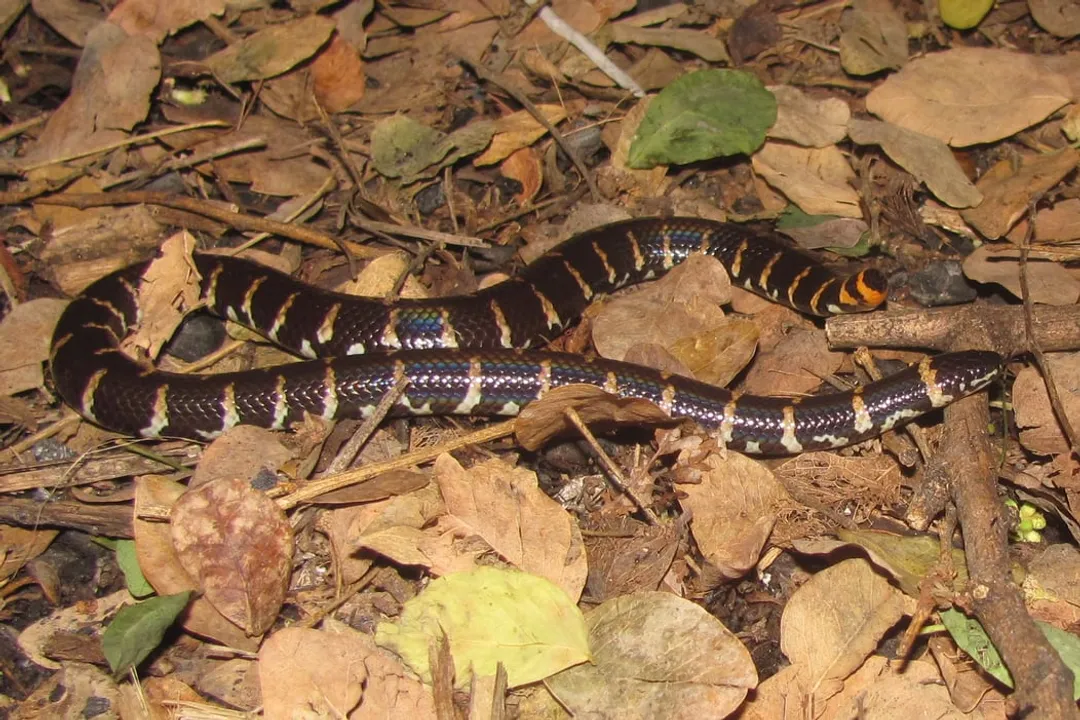
The question of whether a pipe snake poses a threat often arises from their somewhat unusual appearance and secretive nature. Generally, the immediate concern for anyone encountering a snake revolves around its potential to bite and inject toxins. When examining the members of the snake family commonly referred to as pipe snakes, belonging to the genus Cylindrophis, the answer is reassuringly clear: these reptiles are non-venomous. [1][3][5][7] In biological terms, they lack the specialized fangs and venom glands necessary to deliver toxins during a bite, meaning they are not considered dangerous to humans. [3][5] This classification places them safely outside the category of venomous snakes found in their native regions. [1][5]
# Identity Confusion
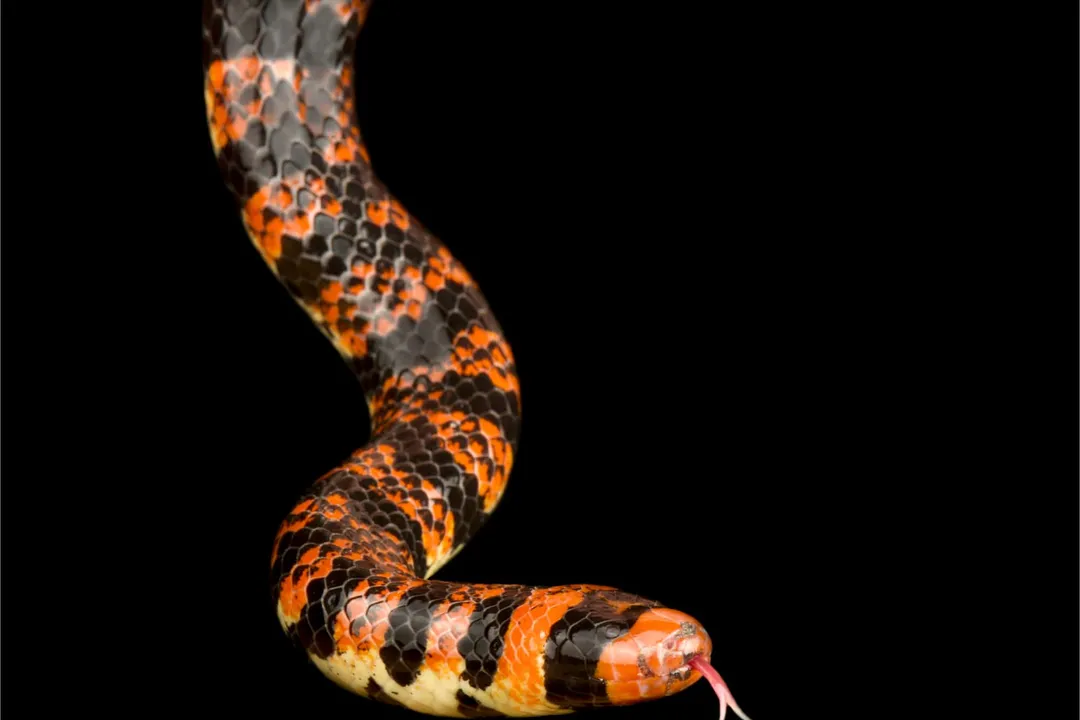
The term "pipe snake" refers to snakes in the family Cylindrophidae. [5] They are distinct from other snakes and are characterized by their cylindrical, smooth-scaled bodies, which often look uniformly dark. [3][9] Many species, like the Black Pipe Snake, have a very dark coloration, sometimes appearing nearly black. [9] This uniformity in color, combined with their smooth, glistening scales, can sometimes lead to confusion, perhaps contributing to unwarranted concern about their toxicity. [1]
However, local variations exist, adding complexity to identification in the field. For instance, the Red-tailed Pipe Snake, found in areas like Bali, possesses a distinct coloration pattern on its underside, often featuring red or orange markings contrasting with its dark back. [2] Despite these differences in appearance, whether it's a generalized black pipe snake or a more vividly marked species, the biological consensus remains firm: they are harmless in terms of venom. [2][4]
# Defense Tactics
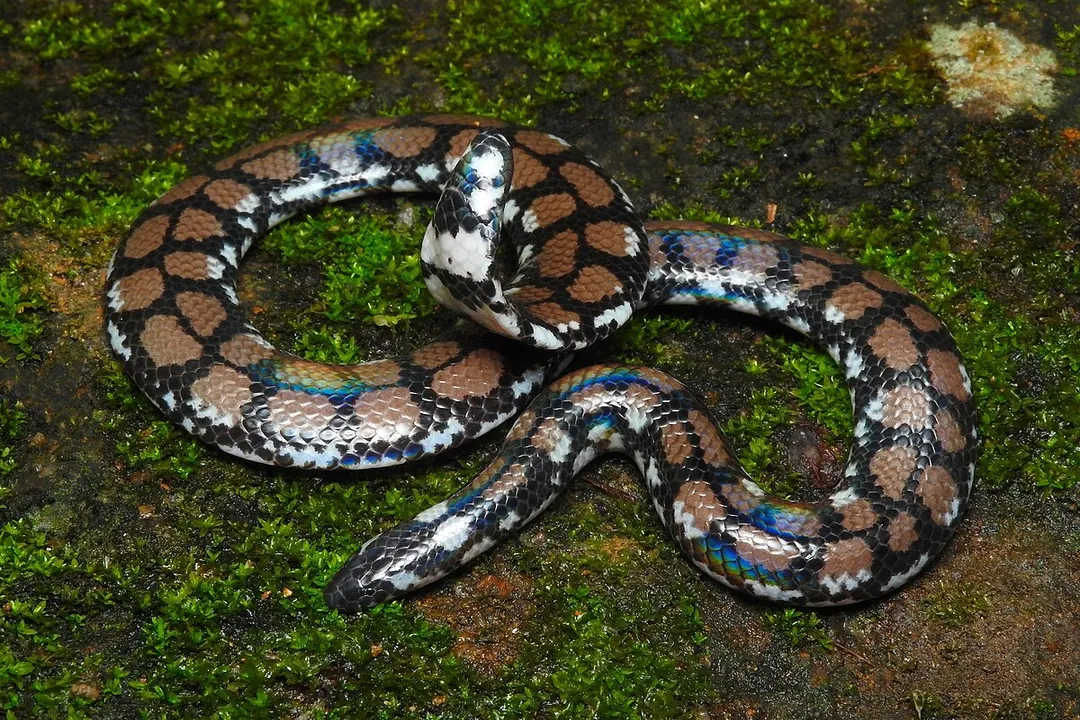
Even though pipe snakes are not venomous, they are certainly not defenseless against predators or perceived threats. [7] Their defensive strategy is fascinating, relying heavily on intimidation and evasion rather than chemical warfare. When feeling threatened, these snakes often employ a dramatic display. [7]
One of their most notable behaviors involves their tail. They possess a small, often blunt or cone-shaped tail, which they frequently use in a startling display. [7] They might rapidly flick this tail, sometimes exposing brightly colored patterns on the underside, which can confuse or momentarily startle an attacker. [7] Furthermore, some species will press their tail against their head or use their tail tip to mimic a head, drawing an aggressor’s attention away from their actual head. [7] It is interesting to note that this elaborate defensive repertoire exists in a creature that poses no true toxicological risk to a person stumbling upon it; this suggests the behavior evolved against natural predators that do pose a significant threat, like birds of prey or larger mammals. [7]
# Habitat Groundwork
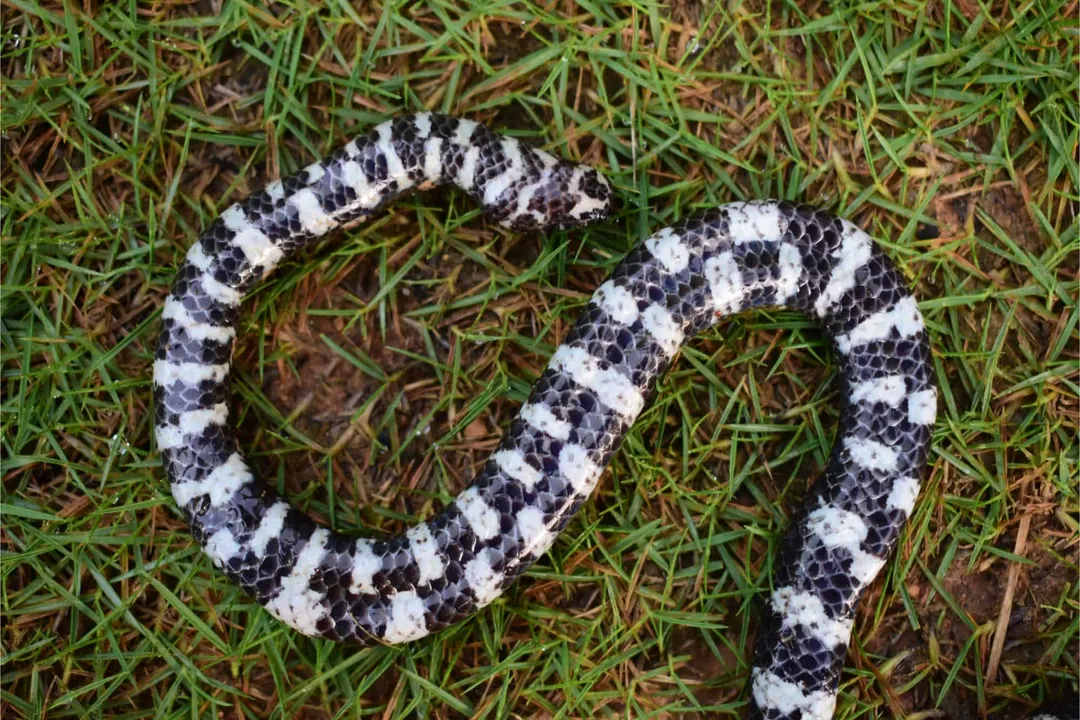
Understanding where pipe snakes live helps explain why direct encounters are relatively uncommon. Pipe snakes are primarily found in Asia, with their distribution covering Southeast Asia and surrounding regions. [2][7] They are known to inhabit areas with loose, soft soil or abundant leaf litter. [3][9] This preference is directly tied to their lifestyle, as pipe snakes are predominantly fossorial, meaning they spend much of their time underground or burrowed. [3][9]
This burrowing habit means that observations in the wild are often fleeting or accidental, perhaps occurring when a snake emerges after heavy rain or when the ground is disturbed during gardening or construction. [9] The snakes are generally nocturnal, further reducing daytime sightings. [9] Living beneath the surface in environments rich with invertebrates and small amphibians also informs their diet, which typically consists of earthworms, slugs, and other small subterranean prey. [1][3] If you are exploring an area known for pipe snakes, appreciating their preference for the undergrowth means you are unlikely to see one casually moving across an open path; finding one usually requires gently turning over debris or examining loose earth. [3]
# Differentiating Hazards
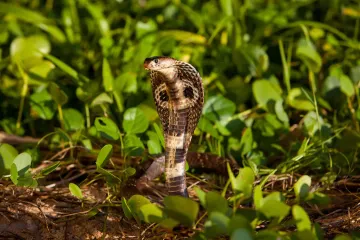
The confusion surrounding whether a pipe snake is "poisonous" is common when dealing with snakes generally. It is helpful to clarify the terminology, though in the context of pipe snakes, the distinction becomes moot since they are neither. [1] A venomous animal, like a cobra or pit viper, uses specialized structures (fangs) to inject toxins into its victim, usually for subduing prey or defense. [1] A poisonous animal, conversely, secretes toxins that are harmful when the animal is ingested or touched. [1] Since pipe snakes do not inject toxins, they are not venomous, and they are not known to secrete toxins through their skin either, so they are not poisonous either. [1][3] Their danger level to a human is virtually zero, provided they are not intentionally provoked. [3]
# Species Spotlight
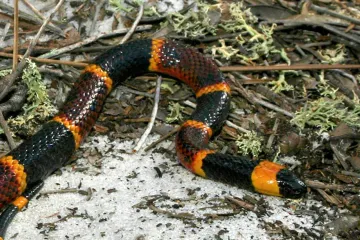
While they all share the Cylindrophis designation, the diversity within the group is worth noting, especially when discussing geography. The Red-tailed Pipe Snake in Bali, for instance, is one specific representation of this genus found in the Indonesian archipelago. [2] In Thailand, one might encounter Jod's Pipe Snake (Cylindrophis jadis), which is also noted for being entirely non-venomous. [4] These examples illustrate that even within the same genus, habitat and specific coloration vary, but the fundamental, non-toxic nature persists across the group. [4][7] Researchers continue to study the specific ranges and subtle differences between these fascinating, burrowing snakes. [7]
For anyone interested in local wildlife in their habitat, recognizing a pipe snake as a non-threat is the first step toward respectful observation. Unlike snakes that must be avoided due to high toxicity, an encounter with a pipe snake offers a chance to witness a unique, ancient lineage of snakes going about their business without posing risk to the observer. [5][9] Responsible interaction means appreciating their role in the ecosystem—a good indicator of soil health, given their reliance on stable, damp environments—and leaving them undisturbed in their natural, subterranean world. [3]
Related Questions
#Citations
Pipe snake | Burrowing, Venomous, Non-Venomous | Britannica
Red-tailed Pipe Snake - Non-Venomous and Harmless ... - Bali.com
Pipe Snake - A-Z Animals
Jodi's Pipe Snake - Reptiles and Amphibians of Thailand
Snakes of Thailand -Cylindrophiidae (Pipe Snakes) - Siam-Info
Spotting a rare red-tailed pipe snake in Singapore forest - Facebook
Cylindrophis - Wikipedia
Does this snake venomous? - Reddit
Black Pipe Snake - Facts, Diet, Habitat & Pictures on Animalia.bio