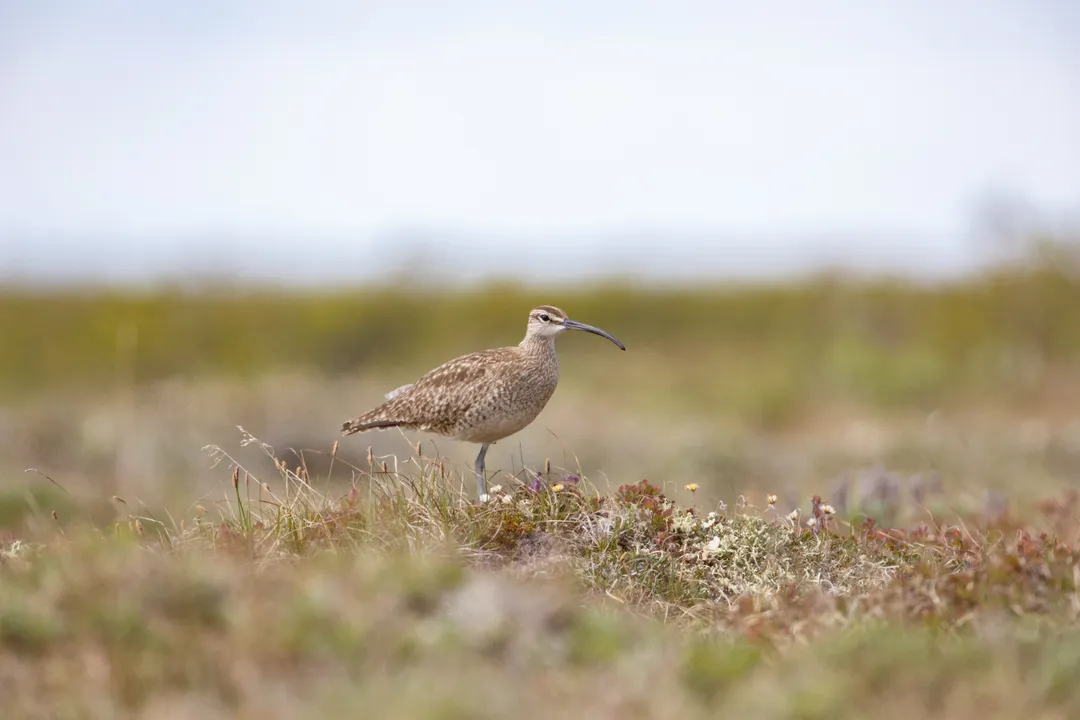
Why do regional conservation groups express concern for the North American subspecies despite the global 'Least Concern' status?
Specific regional assessments indicate significant population declines due to localized pressures like habitat degradation and pollution
Conservation management often requires a nuanced view that distinguishes between global population trends and regional pressures. While the global species, *Numenius phaeopus*, may be classified as 'Least Concern' based on large numbers in regions like Eurasia, the distinct North American subspecies, the Hudsonian Whimbrel, faces severe, localized threats. These threats result in significant declines within the United States and surrounding areas. The primary drivers of this regional concern are habitat degradation and loss, particularly impacting the vital coastal mudflats needed for refueling during migration and wintering, alongside ongoing challenges posed by climate change affecting their Arctic nesting sites.