Why are the feet of the vicuña structurally distinct from those of horses or deer?
Answer
They have padded soles and modified nails instead of hard hooves
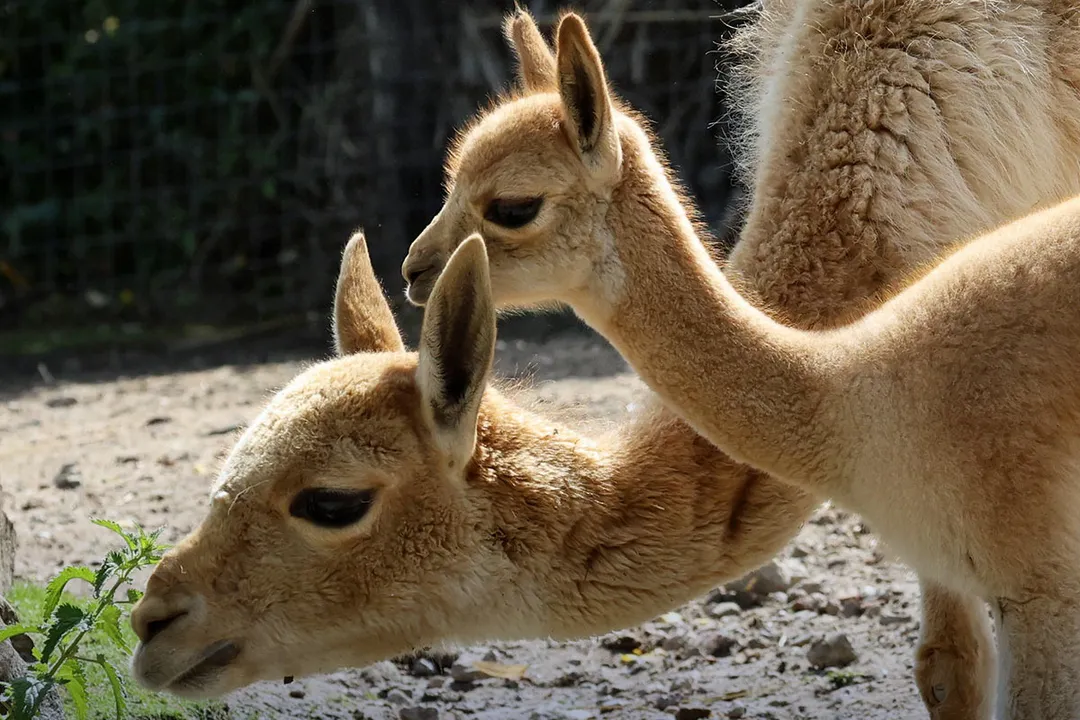
The vicuña's feet are equipped with tough, leathery, padded soles and blunt, modified nails rather than hard hooves. This design provides excellent traction and cushioning on rocky, uneven terrain while minimizing ground erosion, making it far better suited to the fragile high-altitude landscape than the hard, damaging hooves of other grazers.
Related Questions
What is the typical high-altitude environment where the vicuña resides?How fine is the fiber produced by the vicuña compared to other natural animal fibers?What unique feature characterizes the lower incisors of the vicuña?At what height do adult vicuñas typically stand at the shoulder?Why are the feet of the vicuña structurally distinct from those of horses or deer?Which feature serves as a key identifying mark of the vicuña compared to other South American camelids?What is the maximum speed the vicuña can reach to escape predators like pumas?How does the vicuña differ from its domesticated relative, the alpaca?Which anatomical features of the vicuña work together to provide an early warning system against predators?How does the vicuña's coat function as a thermal regulator in its harsh environment?