Which specific wing bones were crucial for extrapolating the massive dimensions of Pelagornis?
Answer
Humerus and the coracoid
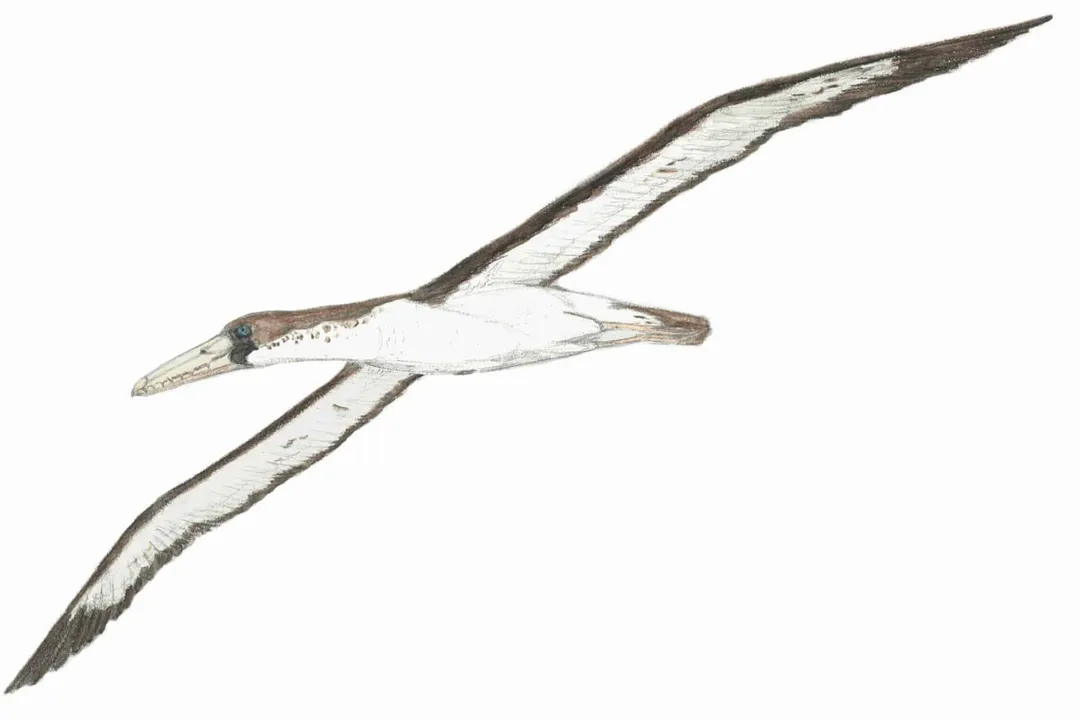
Despite the initial fossil finding not constituting a complete skeleton of Pelagornis, researchers were able to accurately extrapolate its truly massive dimensions by studying key elements of its wing support structure. Specifically, the size of the humerus (the upper arm bone) and the coracoid (a large bone forming part of the shoulder girdle) were sufficient evidence. These bones are central to wing attachment and support, and their unusually large size relative to modern birds provided the necessary basis for calculating the overall immense size of the ancient flyer.
#Videos
Pelagornis the Largest Sea Bird that ever Lived - YouTube
Related Questions
What was the approximate maximum wingspan estimated for Pelagornis sandersi?What are the bony outgrowths on the Pelagornis beak correctly termed?During which geological epoch did Pelagornis inhabit the world?What specialized flight mechanism did researchers hypothesize Pelagornis heavily relied upon?Where were the initial bone fragments used to identify Pelagornis sandersi unearthed?What wing morphology is indicated by the bones of the massive Pelagornis?What was the likely primary function of Pelagornis's sharp, bony projections?How does the jaw structure of Pelagornis contrast with the wandering albatross?Which specific wing bones were crucial for extrapolating the massive dimensions of Pelagornis?What extinct order does the unique dental armature of Pelagornis define?