What is unique about a narwhal?
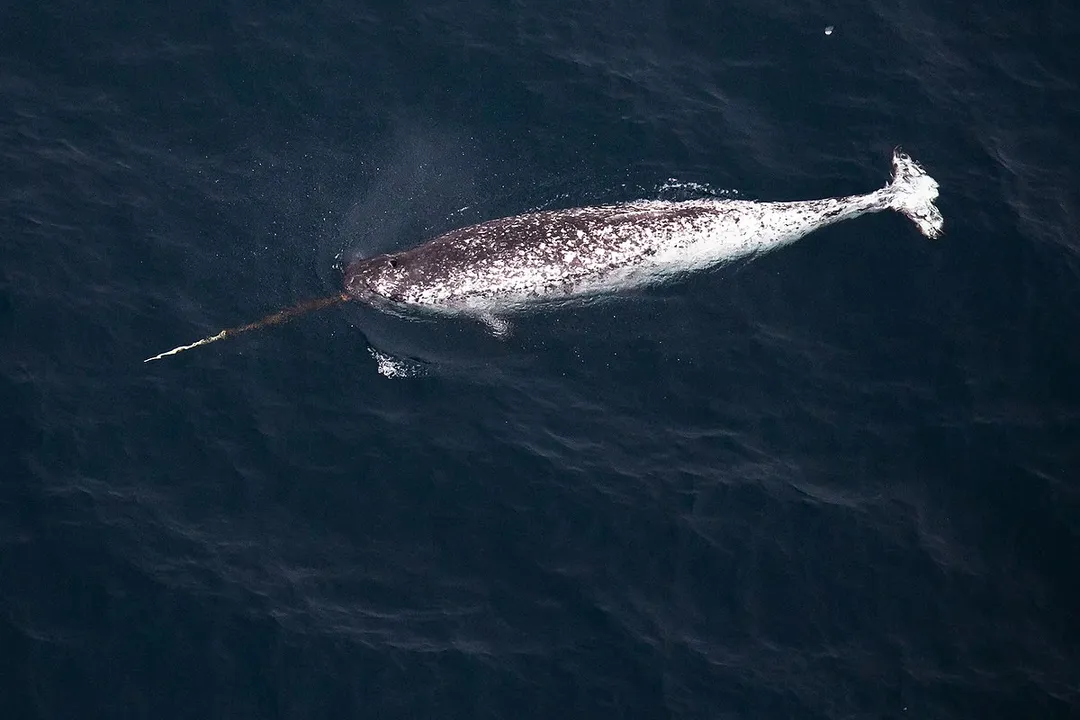
The narwhal, often called the "unicorn of the sea," is one of the planet's most recognizable yet elusive marine mammals, dwelling in the frigid waters of the Arctic. [1][2] Its appearance alone sets it apart from other whales: a medium-sized toothed whale draped in a mottled, dark, or spotted skin pattern that generally lightens as the animal ages. [1][4] This creature's entire existence is entwined with the pack ice, making its deep-sea domain one of the most extreme environments inhabited by any whale species. [7] To understand what makes the narwhal truly unique, one must look past the myth and focus on its extraordinary adaptations, particularly the singular spiral protrusion that defines it. [5]
# The Spiral Tooth
The defining characteristic of the narwhal is undoubtedly the long, spiraled tusk that projects from the head of most males and occasionally females. [1][2][5] This structure is not a horn but rather an elongated, protruding left canine tooth that can reach lengths of up to 10 feet. [1][2][5] Its left-handed spiral, turning counter-clockwise, is highly distinctive. [2] In terms of physical uniqueness, the tusk is a marvel of biological engineering, possessing a relatively lightweight structure for its size. [5]
# Sensory Organ
While popular culture often imagines the tusk as a weapon for combat or ice-breaking, modern research suggests its primary, and most fascinating, function is sensory. [2] The tusk is riddled with up to 10 million nerve endings, connecting directly to the animal’s brain. [1][2] This makes the tusk a highly sensitive biological probe, enabling the narwhal to essentially "taste" or monitor its surroundings in the dark, opaque Arctic waters. [2][5] Narwhals can use this specialized tool to detect subtle changes in water temperature, pressure, and salinity. [1][2][5] Considering that narwhals spend significant time in deep waters where light penetration is nonexistent, possessing an external organ dedicated solely to environmental feedback provides an unparalleled advantage in navigation and foraging compared to other cetaceans that rely primarily on echolocation or visual cues near the surface. [5] This sensory adaptation speaks volumes about the pressures of their perpetually dim habitat, turning what looks like a medieval weapon into a sophisticated, bio-electronic sensor array.
# Tusk Use
Though its sensory function is paramount, the tusk is not solely passive. It appears to play a role in social interactions, particularly among males. [1] Observers have noted behavior termed "tusking," where two narwhals gently cross or rub their tusks together, which is thought to be a form of social bonding or dominance display rather than direct fighting. [1][5] Furthermore, while less common, some sources indicate that in rare instances, the tusk might be used to stun or injure prey, though this remains less documented than its sensory application. [5] It is also recognized that about 15% of females grow a tusk, although it usually remains much shorter than those observed in males. [2]
# Arctic Residency
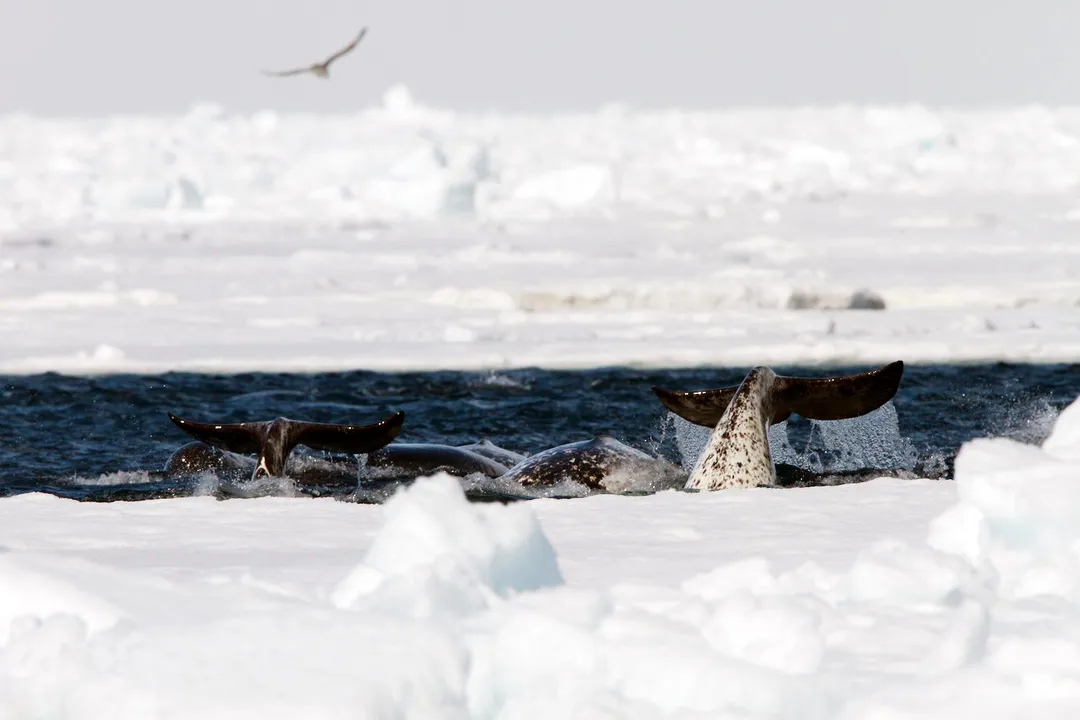
Narwhals are intrinsically linked to the Arctic environment, inhabiting the Arctic waters of Canada, Greenland, Norway, and Russia. [7] They are fundamentally creatures of the cold, typically found in areas with heavy pack ice. [3][7] Their life cycle involves extensive seasonal migrations dictated by the ice coverage. [7] During the warmer months, they often move to shallower coastal areas and inlets, sometimes remaining in groups of only a few individuals. [1][4] As winter approaches, they undertake long migrations, often traveling hundreds of miles to deep offshore basins where they gather in larger pods, sometimes numbering in the hundreds, to feed under the thick winter ice. [7]
# Extreme Diving
The ability to survive beneath dense, multi-year pack ice requires extraordinary physiological adaptations, especially for a mammal that must surface to breathe. [3] Narwhals are among the deepest diving marine mammals known. [4] They routinely descend to depths exceeding 1,500 meters (nearly 5,000 feet) while foraging for deep-dwelling prey. [1][3][4] To manage the immense pressure changes associated with these rapid, deep descents and ascents, they have evolved specific characteristics, including the ability to collapse their lungs and slow their heart rate significantly—a process known as bradycardia—to conserve oxygen. [3][4] They can hold their breath for up to 25 minutes, allowing ample time to hunt far below the surface. [1][3][4] This deep-diving capacity directly informs their preferred habitat, as the prey they rely on—such as Greenland halibut, cod, and shrimp—are found in the deep, cold waters beneath the permanent ice. [1][4]

# Social Structure
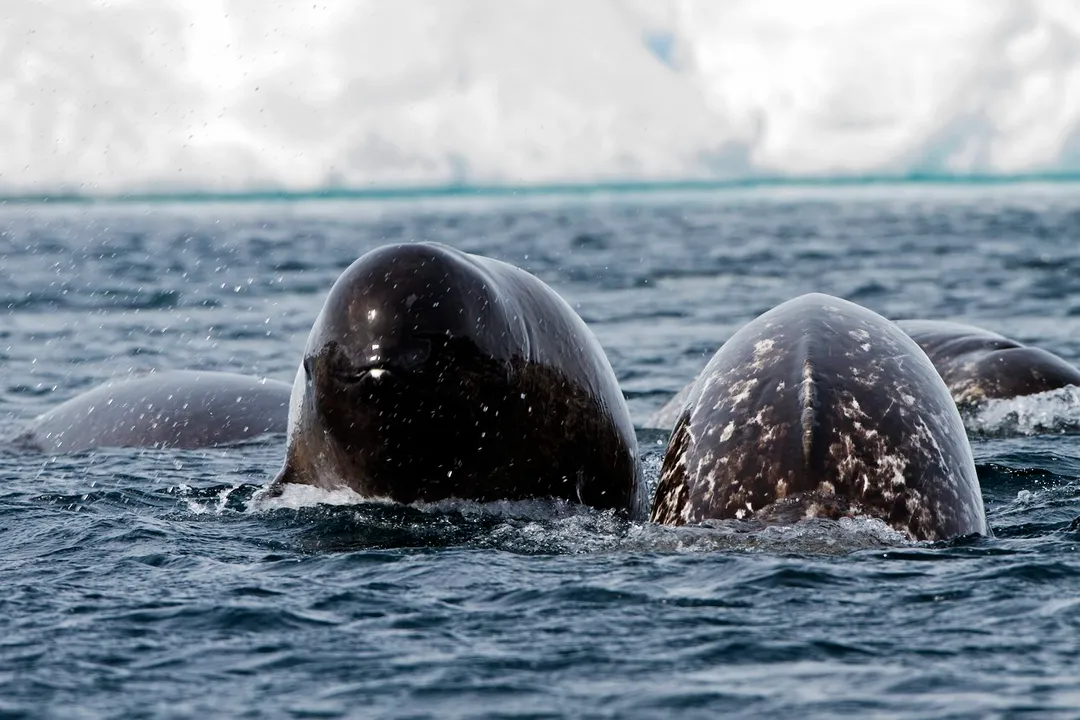
Narwhals are gregarious creatures, preferring to move and feed within social units. [1] They typically congregate in small pods, usually comprising fewer than 20 individuals. [1][4] These groups are often structured, with pods consisting entirely of males, pods entirely of females and their calves, or mixed groups. [4] Calves are born after a gestation period of about 14 months. [1] A critical point of vulnerability occurs early in life; newborn narwhals are entirely dependent on their mothers for nursing, and a calf without its mother faces significant survival challenges in the harsh environment. [1] The relationship between the mother and calf is central, as the young must learn the complex migration routes and the specialized diving techniques necessary for survival from their mothers. [7]
# Understanding Their Vulnerability
The narwhal belongs to the Monodontidae family, sharing this classification only with the beluga whale. [5][6] While the International Union for Conservation of Nature (IUCN) currently lists the narwhal as "Least Concern," this designation masks significant regional vulnerabilities and the overarching threat posed by a rapidly changing climate. [2][6]
# Ice Dependency
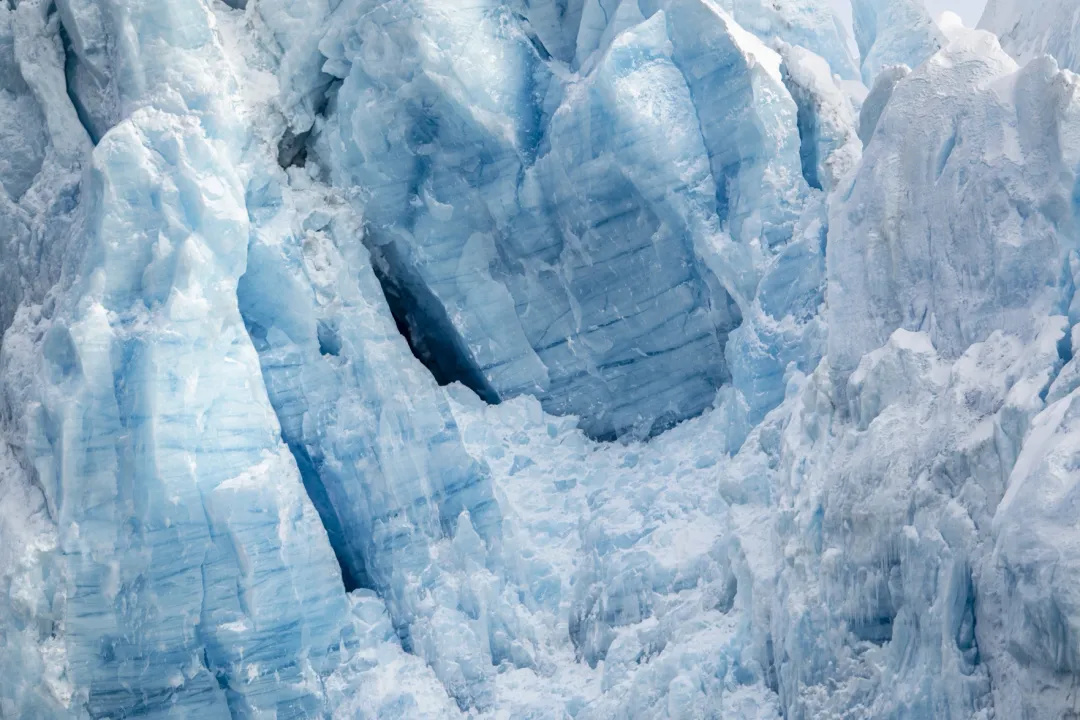
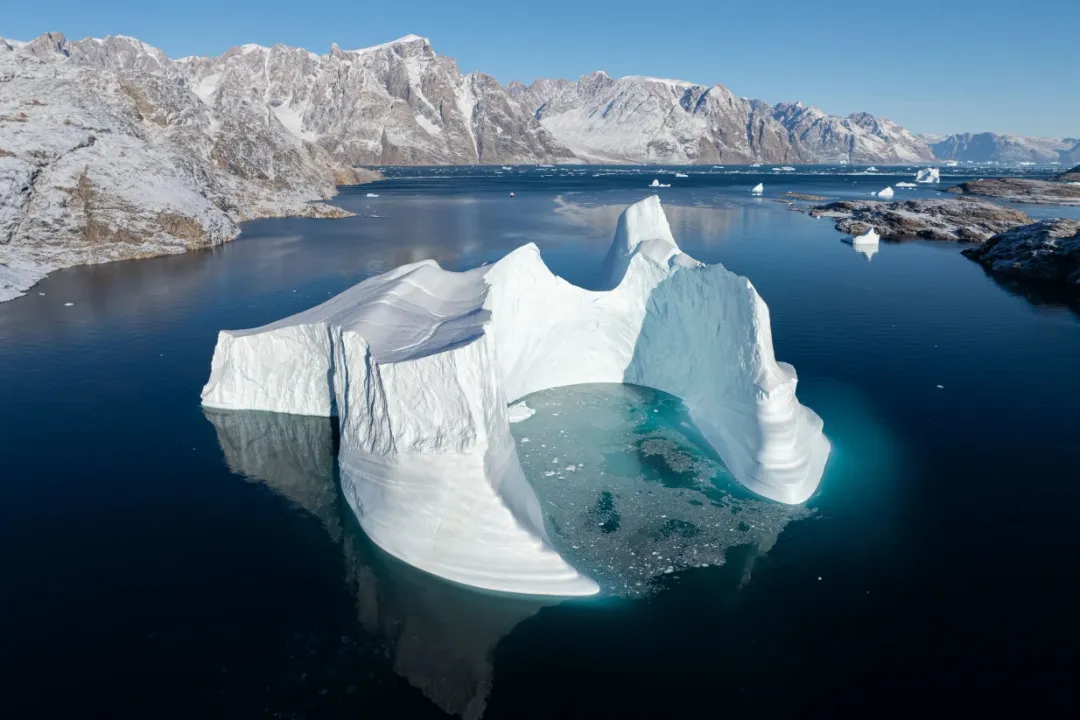
The most immediate threat stems from their strict reliance on sea ice. [7] Narwhals spend the majority of their lives under the ice, and this stable, frozen cover provides them shelter from predators and access to their deep-water feeding grounds. [7] As Arctic temperatures rise, the sea ice is forming later, melting earlier, and becoming thinner. [6][7] This loss of predictable, thick ice forces the narwhals into new areas or restricts their access to traditional feeding sites, disrupting millennia-old migratory patterns. [7] A secondary risk associated with earlier ice breakup is increased exposure to potential boat traffic and underwater noise pollution from industrial activities that are now able to penetrate regions previously protected by solid ice. [2][6]
# Elusiveness Factor
Compounding the challenges of climate change is the inherent difficulty in studying the species. [8] Because they spend so much time in deep water, often far from coastal observation points and under extensive ice cover, obtaining accurate population counts and tracking their precise movements has always been exceptionally difficult. [8] This elusiveness means that even scientists tracking established trends must often rely on intermittent aerial surveys or satellite tagging, which only capture snapshots of their lives. [8] This lack of continuous, long-term population data presents an interesting paradox: we know how unique their adaptations are, yet gauging the rate at which those adaptations are being compromised by environmental shifts remains a major scientific hurdle, making preemptive conservation action complex. [8] Unlike species that frequent open water, the narwhal’s habitat essentially camouflages the scale of its population stress until a crisis point is reached.
# Unique Contextual Analysis
When examining the narwhal's specialized nature, it becomes clear that its entire biology is a direct answer to a singular environmental problem: surviving in the dark, cold, ice-covered Arctic deep. [5] Consider the comparison to its cousin, the beluga. While the beluga is an adaptable generalist that thrives in various ice conditions and sometimes ventures into estuaries, the narwhal is the hyper-specialist, the evolutionary deep-diver whose tusk is the ultimate tool for that niche. [5] This high degree of specialization, while successful for millennia, inherently creates a fragility when the environment itself shifts rapidly. The narwhal cannot easily pivot to a new feeding strategy or a less icy habitat; its entire structure—from its deep-diving capacity to its sensory tusk—is optimized for the old Arctic. [7]
If we were to create a simplified metric for Arctic specialization, the narwhal would score near the maximum, meaning that for every degree of warming, the functional impact on the species is magnified far beyond a generalist whale species. [7] This makes them a sentinel species for the health of the entire deep Arctic ecosystem. Their continued success is less about mastering a new skill and more about the stability of the environment that shaped their extraordinary form in the first place. [6]
# Physical Metrics
To appreciate the scale of these adaptations, it is helpful to visualize the physical characteristics of the adult animal, keeping in mind that they are true whales, not unicorns. [2][5]
| Feature | Measurement / Characteristic | Source Context |
|---|---|---|
| Average Length | Up to 16 feet (4.8 meters) [1] | Adult size |
| Tusk Length (Male) | Up to 10 feet (3 meters) [1][5] | The elongated canine |
| Weight | Up to 1,600 kg (3,500 lbs) [4] | Significant mass for deep diving |
| Diet Staples | Greenland Halibut, Cod, Squid [4] | Deep-sea prey |
| Dive Duration | Up to 25 minutes [1][3] | Oxygen conservation required |
| Dive Depth | Over 1,500 meters (5,000 ft) [1][4] | Reaching benthic zones |
This table underscores the physical commitment the animal makes to its lifestyle. A narwhal must carry a massive, non-retractable sensory appendage while simultaneously being capable of handling the pressures found in deep ocean trenches. [5] The energy required to maintain such a structure and support such deep dives suggests that the resources gained from its diet must be substantial and consistent—a consistency now threatened by environmental shifts. [4]

# Survival Strategies
Narwhals possess several other subtle but necessary attributes for their survival beyond the tusk and deep dives. They are fast swimmers when needed, capable of reaching speeds up to 15 miles per hour. [1] Their coloration also plays a part in their survival; the mottled skin provides excellent camouflage against the varied light penetration found near the ice edge and the mottled patterns of the Arctic seafloor. [4]
For the indigenous populations of the Arctic, the narwhal holds deep cultural and subsistence importance. [7] Historically, they were hunted primarily for their meat, blubber, and their invaluable tusks, which were traded as genuine unicorn horns in medieval Europe. [1][7] Understanding the narwhal’s unique biology—its sensitivity, its dependence on deep, cold, ice-covered water—is essential for ensuring that this remarkable creature continues to grace the Arctic seas for generations to come, long after its mythical status has faded into documented reality. [2]
Related Questions
#Citations
Unicorn of the sea: Narwhal facts - World Wildlife Fund
10 Fun Facts About Narwhal: Are Narwhal Endangered?
Narwhal Facts and Pictures | National Geographic Kids
[PDF] NARWHAL FAST-FACTS
Narwhal - Wikipedia
Narwhals: Facts About the Unicorns of the Sea - IFAW
Narwhal - WWF Arctic
One of the most unique, special and elusive species on earth "The ...
Narwhals in the Arctic | Facts, Myths and Where to Spot Them