What is unique about the Boykin Spaniel?
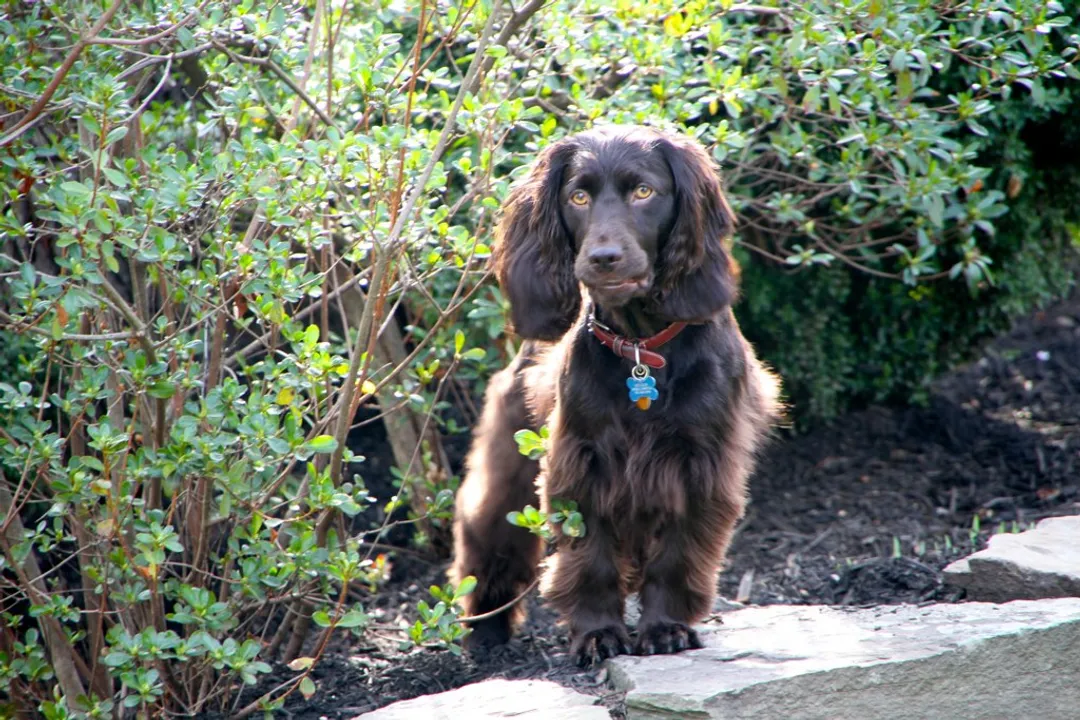
The Boykin Spaniel presents a fascinating profile among the sporting dogs, distinguished less by overwhelming popularity and more by the very specific niche it was engineered to fill. Unlike the more familiar retrievers or flushers, the Boykin is a product of necessity, born from the distinct hunting landscape of the American South. This breed isn't just a smaller version of another spaniel; it possesses a unique set of physical attributes and a working drive perfectly tailored for the waters of South Carolina. [1][8]
# Southern Genesis
The breed’s roots are firmly planted in the Lowcountry region, specifically near the Wateree River in South Carolina. [8] The development of the Boykin Spaniel is attributed to a man named J. Frank Boykin in the early 1900s. [1] The story goes that Boykin needed a versatile hunting dog that was small enough to be easily carried, yet sturdy enough to handle the demanding retrieval work required in the swampy, brush-filled terrain and along the rivers where he hunted waterfowl. [1][9]
The initial foundation stock wasn't a carefully curated purebred line; rather, it was a blend of various spaniels and possibly retrievers that Boykin found suitable, eventually resulting in the distinct type we recognize today. [1] The resulting dog proved highly capable of flushing upland game birds like turkey and grouse, but it truly shone as a retriever, particularly in retrieving ducks that fell in water or tight, reedy areas. [1][9] This specific regional need—a compact, water-savvy retriever for smaller watercraft—is arguably the most unique element of the Boykin’s history, setting it apart from many other breeds developed for broader agricultural or open-field hunting. [4]
# Size and Structure
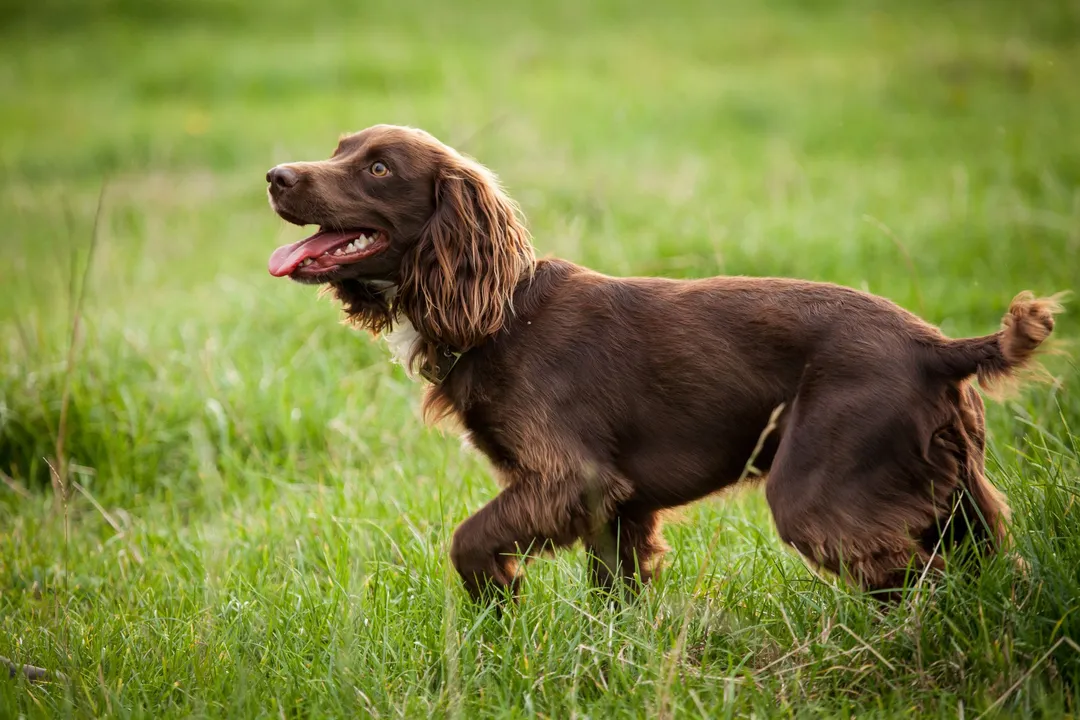
One of the most immediately apparent unique traits is the size of the Boykin Spaniel. They are classified as a small to medium-sized sporting dog. [1] Standing typically between 15.5 and 17.5 inches tall at the shoulder and weighing between 20 and 40 pounds, they occupy a perfect middle ground. [1] This size distinction is crucial when comparing them to larger counterparts like the Labrador or even the American Water Spaniel.
Imagine attempting to launch a hefty Labrador from a small jon boat or a kayak in a narrow cypress brake; the weight and bulk can unbalance a small vessel quickly. The Boykin’s moderate build is its advantage here. [9] They offer the strong swimming ability and retrieving instinct of a large spaniel but with the minimal footprint necessary for maneuvering in tight hunting blinds or small boats navigating dense cover along the riverbanks. [9] It’s this specific proportionality that makes them efficient for their intended environment.
Physically, their appearance carries distinct markers. The coat is another key feature: it is thick, wavy to curly, and water-repellent, a necessary trait for a dog frequently jumping into cool river water. [1] While the coat provides insulation and sheds water, it does require consistent care. Coloration is generally uniform, presenting in shades of liver or dark chocolate. [1] Furthering their gentle expression are their deep, rich brown eyes, which often contribute to their sweet look. [1] They are often compared to a small American Water Spaniel or a Cocker Spaniel, but their distinct head shape and specific color range often help seasoned observers tell them apart. [5]
# Temperament and Trainability
The personality of the Boykin Spaniel is just as finely tuned as its physical structure. They are widely recognized for being exceptionally good-natured, eager to please, and possessing a cheerful disposition. [3][5] This eagerness to please translates directly into high trainability, making them responsive partners in the field and attentive companions at home. [1]
They possess a notable desire to work alongside their human counterparts, suggesting a deeply ingrained partnership drive. [5] While they thrive when given a job, such as retrieving, obedience training is typically straightforward because they focus intently on their owners, eager to receive direction and praise. [1] This high sociability means they generally do not fare well when isolated or left alone for long stretches; they thrive on interaction, making them excellent family dogs provided their exercise needs are met. [2][3]
It’s common for owners to note their "velcro" tendencies—a desire to be near their people, whether they are hiking, training, or simply relaxing indoors. [7] When approaching the training of a Boykin, it is wise to lean into their inherent desire for partnership rather than relying on harsh corrections. Because they are so attuned to their owners, a gentle, positive reinforcement approach yields faster, happier results. If you are considering adding a Boykin, recognize that you are adopting a shadow who requires mental engagement as much as physical output. [5]
# Unique Working Characteristics
Beyond just size, their specific working style is unique. While many spaniels flush game, the Boykin is renowned for its steady, diligent retrieving, often noted for having a "soft mouth". [1] A soft mouth is invaluable for hunters as it means the dog brings back downed game without damaging it, an attribute prized by those who value their harvest.
When discussing retrieving, it is important to distinguish the Boykin’s water discipline. They are strong, persistent swimmers, but their smaller stature allows them to navigate areas where larger dogs might struggle, such as shallow, marshy edges or thick, submerged vegetation. [9] This dedication to the task, coupled with their relatively quiet nature in the field compared to some more exuberant pointers, made them highly valued by early hunters. [4]
For those who wish to keep these working instincts honed without daily hunting, introducing retrieving games in a pond or pool can be incredibly satisfying for the dog. A practical tip for owners who frequently engage their Boykins in water activities involves their dense coat: after a swim, especially in cold or brackish water, thoroughly rinsing the coat with fresh water and applying a conditioning spray designed for double coats can prevent the undercoat from becoming brittle or developing mats close to the skin, something that can easily be overlooked if one only focuses on brushing the surface curls. [3]
# Health and Recognition Status
The Boykin Spaniel has generally maintained a reputation as a hardy breed, but like all purebreds, prospective owners should be aware of common genetic predispositions. [3] Health concerns that have been noted in the breed include hip and elbow dysplasia, though proper screening of breeding stock can mitigate this risk. [3] Eye conditions, such as cataracts, and the occasional luxating patella (a slipping kneecap) are also points of awareness for breed enthusiasts. [3] Responsible breeders adhere to health testing protocols to ensure the longevity and vitality of the line. [2]
Regarding its official status, the Boykin Spaniel is a relatively modern addition to the recognized ranks in the United States. It was officially recognized by the American Kennel Club (AKC) in 2009, placing it firmly in the Sporting Group. [1] Prior to this official recognition, the breed was maintained and promoted primarily through breed clubs dedicated to preserving its original function and structure. [2] This late recognition suggests a strong commitment by its caretakers to maintain breed standards based on working ability rather than purely cosmetic appeal early in its development. [8]
While the breed is beloved in its home state and throughout the Southeast, it remains far less common than breeds like the Golden Retriever or Labrador. This relative scarcity means that finding a reputable breeder requires diligence, patience, and a willingness to travel or be placed on a waiting list. [7] For many who seek one out, the uniqueness of the Boykin—its specific history, its functional size, and its endearing temperament—justifies the effort required to bring one home. [2][5]
Related Questions
#Citations
Boykin Spaniel - Wikipedia
Boykin Spaniel: Dog Breed Characteristics & Care - The Spruce Pets
Boykin Spaniel - Breed Info – Branford Veterinary Hospital
What surprises you most about your Boykin Spaniel? - Facebook
Short film: Understanding the Boykin Spaniel - A breed developed in ...
Behind the Breed: Boykin Spaniel - Taste of the Wild Pet Food
Boykin Spaniel - Charleston Magazine
Boykin Spaniel - All About Dogs - Orvis