What is unique about pygmy rattlesnakes?
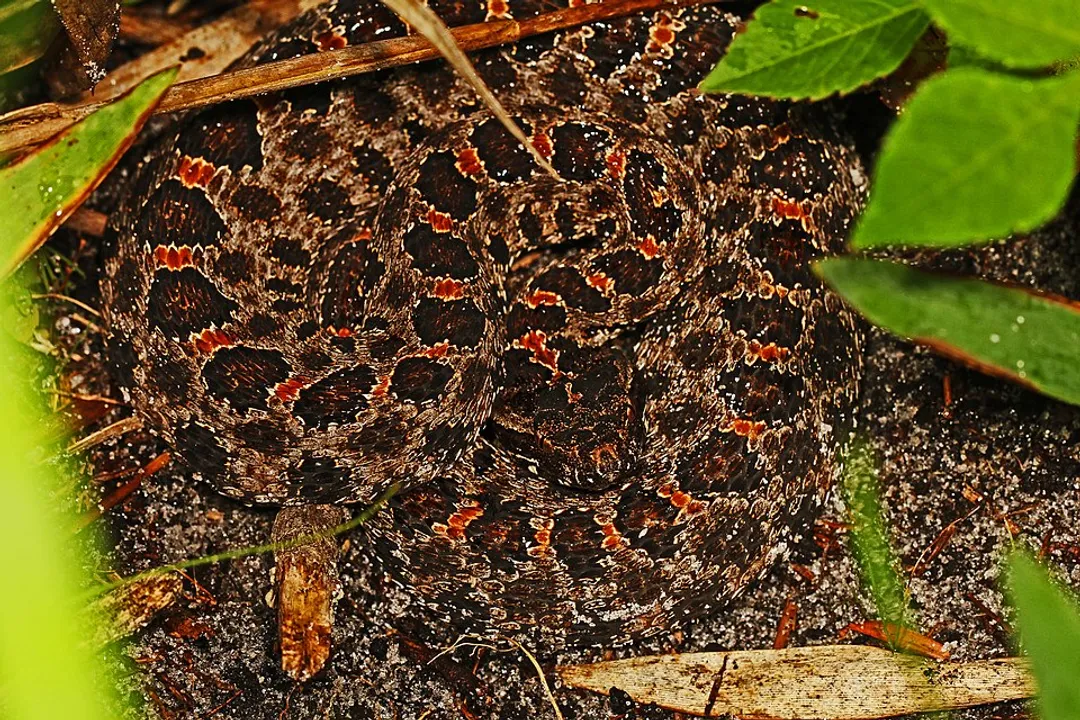
The pygmy rattlesnakes, members of the genus Sistrurus, hold a distinct, miniature place within the North American pit viper family. While they share the iconic facial pits and venomous nature of their larger relatives, their uniqueness stems primarily from their diminutive size and an auditory defense mechanism that deliberately avoids confrontation. They are seldom seen, living quiet lives low to the ground, and when they feel threatened, they often rely on camouflage rather than a startling warning display. [1][2] These snakes are considerably smaller than the well-known Eastern Diamondback, rarely exceeding two to three feet in length, with many individuals measuring closer to 15 to 20 inches when fully grown. [1][5]
This small stature contributes significantly to their elusive nature. They possess a slender body relative to their length and, like all rattlesnakes, have a broad, triangular head that contrasts with their thin neck. [1] Their coloration is often cryptic, designed to blend perfectly with the dappled light and leaf litter of their preferred habitats. [3]
# Diminutive Size
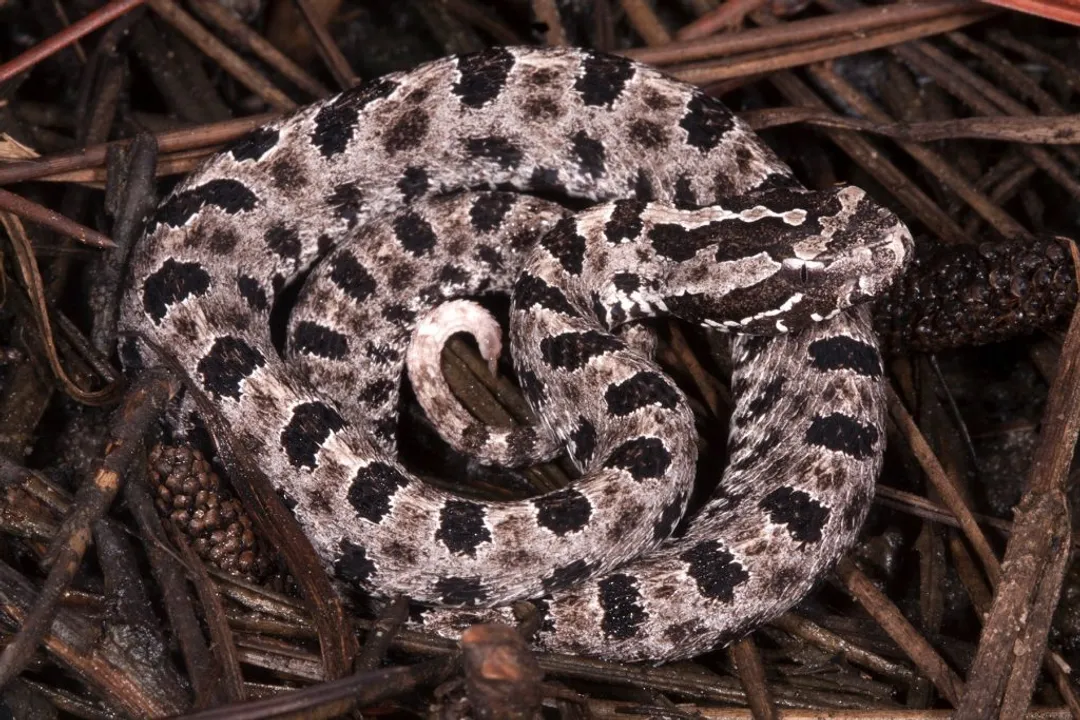
The most immediately striking feature of any pygmy rattlesnake is its scale. Across their range in the southeastern United States, these snakes are among the smallest venomous reptiles encountered. [1][2] For instance, the Dusky Pygmy Rattlesnake (Sistrurus miliarius barbouri), common in Florida, is typically small enough that a mature adult might measure only 10 to 15 inches. [3][4] The Western Pygmy Rattlesnake (Sistrurus miliarius strekeri), found in states like Missouri and Arkansas, adheres to this small blueprint as well. [5][8] Their relatively small size means they require smaller prey, often feeding on lizards, frogs, and small rodents, which differs from the larger mammal prey consumed by their bigger cousins. [1]
If you happen to find one, understanding the variation in appearance based on geography helps in identification. The Dusky Pygmy Rattlesnake often presents with a background color ranging from grayish-brown to reddish-brown, marked by a series of distinct dark blotches running down its back. [3][4] In contrast, the Western Pygmy Rattlesnake might show a pattern that is somewhat variable, but it maintains that small build typical of the Sistrurus genus. [5][8]
# Subtle Warning
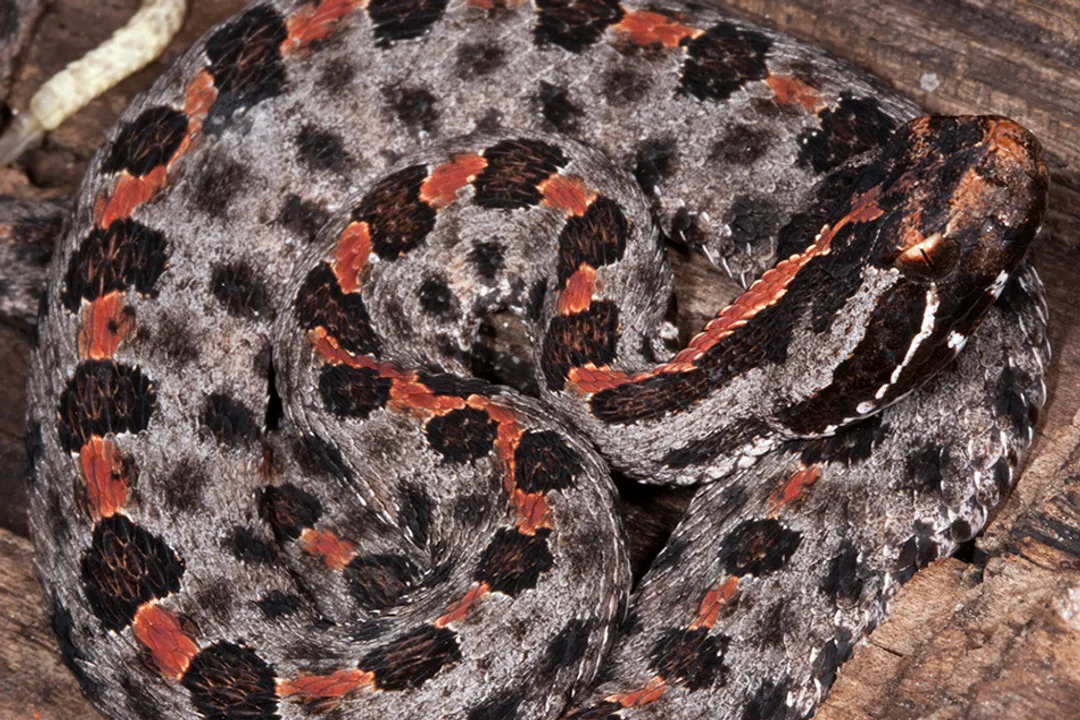
The rattle itself is perhaps the most famous—and most easily missed—unique trait of this group. Unlike the loud, definitive buzz produced by a Timber or Diamondback rattlesnake, the pygmy rattlesnake's rattle is tiny, composed of only a few small, loosely connected keratin segments. [1][3] This small apparatus vibrates rapidly to produce a sound that is often described as sounding remarkably like a buzzing insect, such as a bee or mosquito. [1][4]
This auditory deception is a fascinating evolutionary trade-off. A large rattlesnake announces its presence loudly, often deterring large mammals or humans before contact is made. The pygmy rattlesnake, however, seems to employ a sound that is easily dismissed or localized incorrectly. [1] If you are standing near a patch of dry leaves and hear a faint, high-pitched buzz, the immediate assumption is often an insect; in the humid southeastern undergrowth, this quiet warning may not be taken seriously by a potential threat until it is too late. [3] This difference in acoustic strategy suggests a survival history where avoidance of large predators (or simply remaining hidden) was prioritized over a loud declaration of danger. [2]
# Habitat Preferences
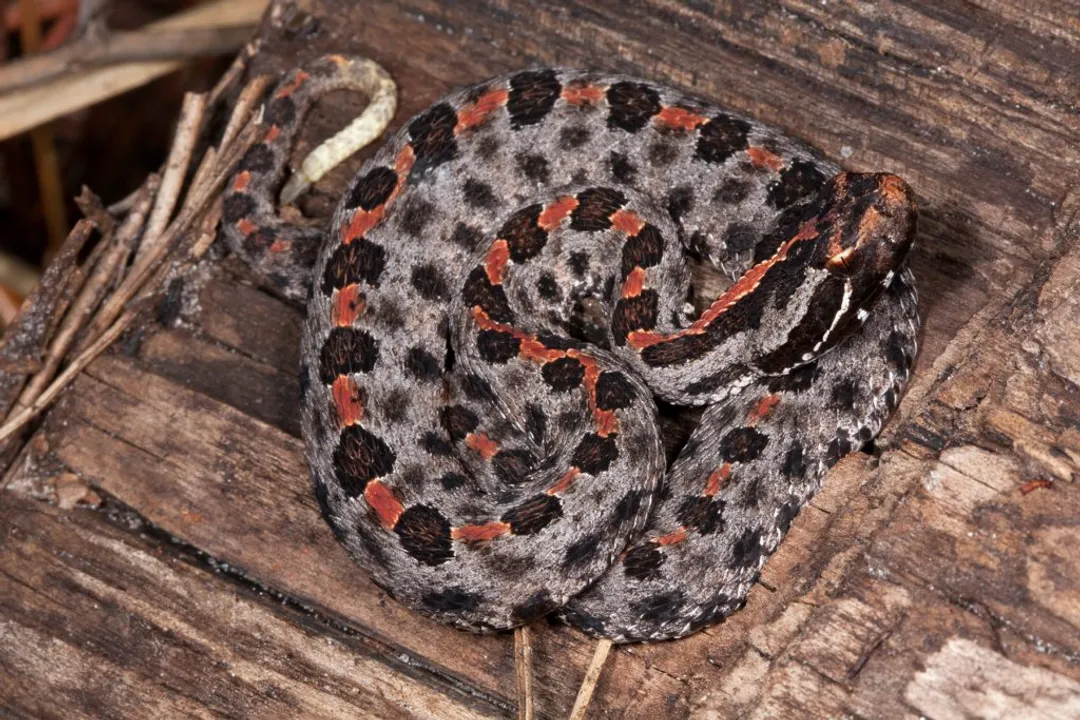
Pygmy rattlesnakes generally show a preference for moist environments across their distribution, though the specific substrate can vary slightly by subspecies. [1] They are commonly associated with pine flatwoods, swamps, and areas with loose, moist, sandy soil. [3][4] In Missouri, the Western Pygmy Rattlesnake often seeks out rocky, open woodlands or areas with sandy loam, thriving where ground cover offers ample hiding spots. [5][6] Their tendency to remain hidden under leaf litter, decaying wood, or debris means they spend a great deal of time completely out of sight. [1][3]
For those spending time outdoors in their range, understanding this preference offers a tangible way to assess risk. Where you find damp, rich leaf litter or sandy ground near water sources in the Southeast, you should assume the possibility of encountering one of these small snakes. [4][9] They are often most active during the night or around dawn and dusk, further cementing their secretive lifestyle. [1][3]
# Venom Impact
While these snakes are venomous, their medical significance to healthy adult humans is comparatively low when juxtaposed with the larger rattlesnakes. [1][4] The small size translates directly to a smaller venom yield during a strike. [1] Consequently, a bite typically results in intense, localized pain, swelling, and bruising around the bite site, but rarely leads to systemic effects or fatality in an otherwise healthy individual. [1][4]
It is critical to remember, however, that rarely fatal does not mean harmless. [4] Any bite from a venomous snake demands immediate medical evaluation and attention, as antivenom may still be required to manage local tissue damage and prevent secondary complications. [4] The fangs of the pygmy rattlesnake are also shorter than those of their larger relatives, which can sometimes lead to a "dry bite" (no venom injected) or a superficial bite, but this should never be relied upon for safety assessment. [1]

# Subspecies Variation
The general term "pygmy rattlesnake" covers several recognized subspecies, each adapted to slightly different regional ecological niches within the Southeast. [2] The differentiation is often subtle but important for regional herpetology.
The Dusky Pygmy Rattlesnake (Sistrurus miliarius barbouri) is the version most commonly associated with Florida and the deeper South. [3][4] Its presence is strongly linked to the moist, sandy habitats common in that peninsula. [4]
Conversely, the Western Pygmy Rattlesnake (Sistrurus miliarius strekeri) has a range that extends westward, covering areas such as Mississippi, Louisiana, and reaching as far north as Missouri. [5][8][9] Its distribution map generally shows an overlap zone with the Eastern Pygmy Rattlesnake (S. m. miliarius) in states like Alabama and Tennessee. [2][8] These regional distinctions underscore that while the "small and quiet" theme unites them, local evolutionary pressures have shaped subtle differences in pattern, color, and specific habitat preference across the diverse geography they inhabit. [2]
# Field Interpretation
When walking through known pygmy rattlesnake territory, one might develop a sense for interpreting the environment based on the animal's unique defense. Given that their sound mimics a common insect, the key differentiator for an experienced person isn't the volume of the buzz, but rather its persistence and source location in relation to the ground cover. [1] If you hear a faint buzzing sound that seems fixed to a specific clump of pine straw or a particular piece of rotting log, and it continues to "buzz" even when you pause your movement, you are very likely dealing with a reptile employing its tail vibration, not an actual flying insect. This requires a moment of stillness and careful visual searching of the immediate substrate, rather than just looking up into the air.
Considering the sheer amount of leaf litter they hide beneath, it is wise to treat any disturbed patch of ground in their habitat with respect, even if you hear no warning at all. The snake might choose to remain silent and rely solely on camouflage if it feels sufficiently hidden, trusting that the passerby will never notice its presence among the leaf layers. [3] This strategy is common among small, cryptic species; they hold their ground until the last possible moment, conserving energy and avoiding a potentially riskier strike attempt if the target is too large or moving too fast.
#Videos
Pygmy Rattlesnake | With The Wild Things feat. Dr. Jerry Jackson
Related Questions
#Citations
12 Facts About the Rattlesnake Pygmy You Need to Know
Sistrurus miliarius - Wikipedia
Dusky Pygmy Rattlesnake Facts and Information - Seaworld.org
Dusky Pygmy Rattlesnake - Florida Museum of Natural History
Western Pygmy Rattlesnake - Missouri Department of Conservation
Pygmy Rattlesnake | With The Wild Things feat. Dr. Jerry Jackson
Western Pygmy Rattlesnake | Oklahoma Department of Wildlife ...
Pygmy Rattlesnake | State of Tennessee, Wildlife Resources Agency
Pygmy Rattlesnake | Mississippi Department of Wildlife ... - MDWFP