What are the unique features of beetles?
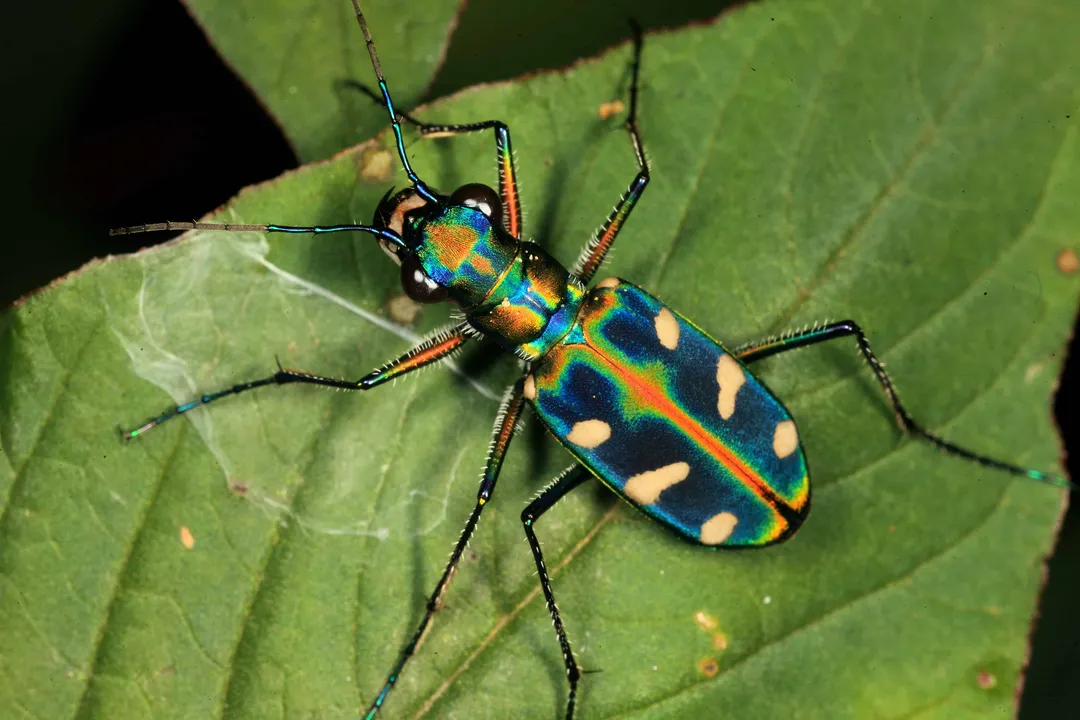
The sheer scale of beetles, belonging to the order Coleoptera, places them in a category almost unmatched in the animal kingdom. They represent the largest order of insects, containing more described species than any other group of organisms on Earth. With estimates suggesting over 350,000 known species, their diversity is staggering. To put that into perspective, the number of described beetle species is greater than the combined number of all known species of birds, mammals, reptiles, and amphibians. These insects have colonized nearly every terrestrial and freshwater habitat imaginable, though they are notably absent from the marine open ocean environment. This vast success stems from a combination of specialized anatomy, adaptable life cycles, and complex survival strategies that allow them to thrive across the globe.
# Defining Structure
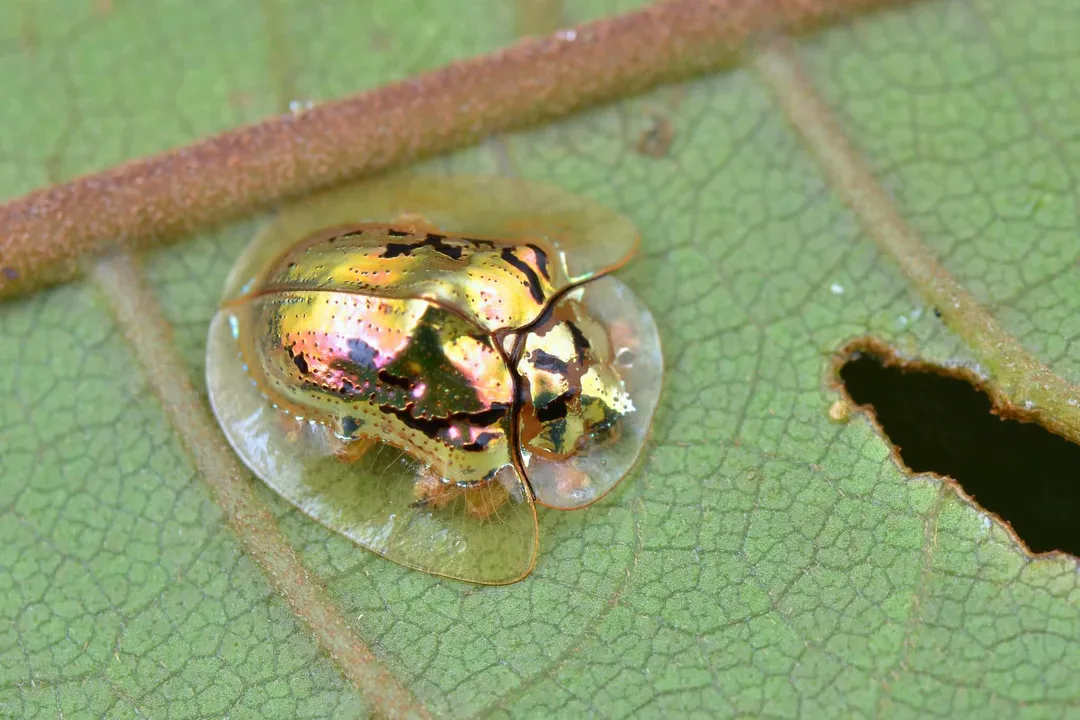
The most defining characteristic separating beetles from other insects is the modification of their forewings into hard, protective casings known as elytra. These hardened wing covers meet in a straight line down the back, forming a shield that covers and protects the delicate hindwings used for flight, as well as the dorsal surface of the abdomen. When a beetle wishes to fly, it lifts its elytra out of the way to unfold the membranous hindwings beneath. This structure is so fundamental that the name Coleoptera is derived from Greek words meaning "sheath wing".
Like all insects, a beetle's body is segmented into three main regions: the head, the thorax, and the abdomen. The head contains critical sensory and feeding apparatus. Beetles possess a pair of antennae, which come in a wide variety of forms, including clubbed, saw-like, or feathery structures, used for sensing the environment. Their mouthparts are typically built for chewing, classifying them as mandibulate insects, which allows them to process tough materials like wood, seeds, or insect exoskeletons.
Internally, their respiratory system relies on small external openings called spiracles, which are located along the sides of the thorax and abdomen. Air enters through these openings and travels through a network of tubes, delivering oxygen directly to the tissues without the need for lungs. This efficient system supports their active lifestyles.
If you observe beetles often, you might notice that many species, even large ones like stag or rhinoceros beetles, spend significant time walking or crawling, only taking flight when necessary. This tendency is directly related to the heavy, rigid nature of their elytra; while providing exceptional defense against predators or physical damage, these hardened wings require considerable energy to lift and maneuver, making flight a less frequent activity compared to, say, moths or flies.
# Life Cycle
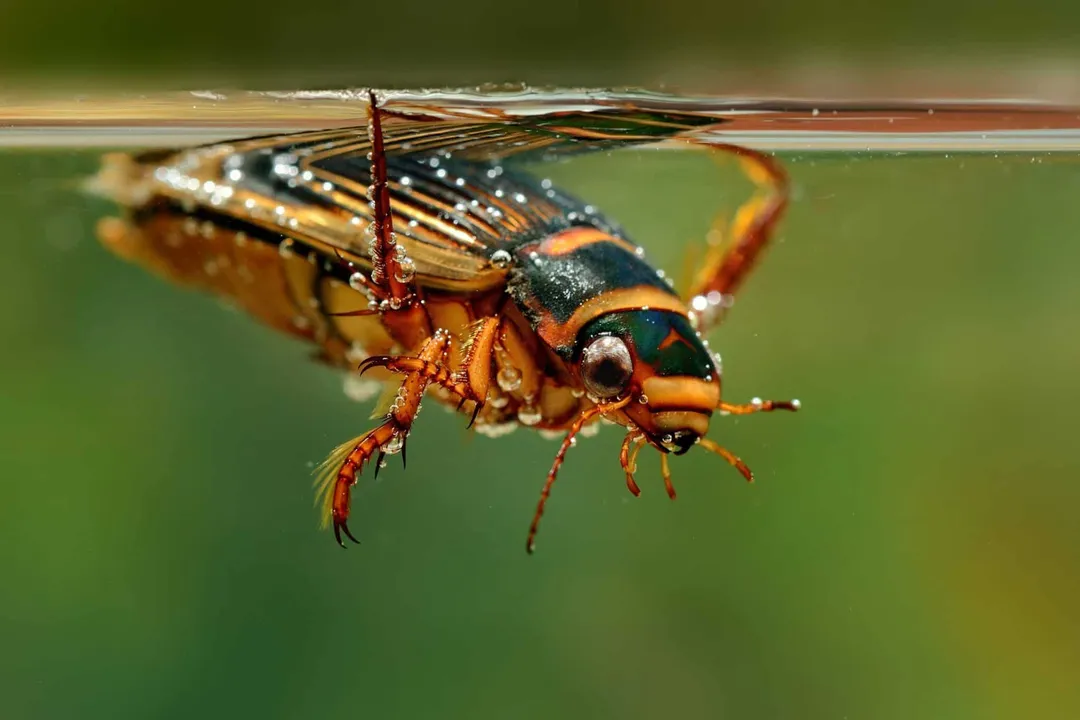
Beetles undergo complete metamorphosis, a dramatic transformation process that involves four distinct stages: egg, larva, pupa, and adult. This type of development is a key feature, separating them from insects that undergo incomplete metamorphosis (like grasshoppers).
The larval stage is where a significant amount of the beetle’s growth occurs, and larvae often look drastically different from their adult counterparts. These varied forms have specific names depending on the family. For instance, many beetle larvae are soft-bodied, legless, and grub-like, while others may resemble worms or look more active and insect-like, such as wireworms. In the case of scarab beetles, the larvae are commonly known as grubs.
After reaching a certain size, the larva enters the pupal stage, a seemingly inactive period during which the body structures are reorganized into the adult form. Once metamorphosis is complete, the fully formed adult emerges, ready to reproduce. This staged life cycle can be highly advantageous, as the larva and the adult often occupy different ecological niches, meaning they consume different food sources and inhabit different microhabitats, reducing direct competition between the life stages of the same species.
# Ecological Roles
The incredible variety in beetle forms is matched by the variety in their ecological functions, demonstrating their pervasive influence across almost all ecosystems. They act as essential recyclers, predators, herbivores, and even parasites.
Some beetles are vital decomposers. For example, burying beetles are known for their unique behavior of burying small carcasses, consuming them as adults, and feeding the remains to their larvae—a form of elaborate, if morbid, parental care. Others, like various types of ground beetles, are important predators, helping to control populations of other insects, including pest species. Lady beetles, easily recognizable and popular in gardens, are famous for preying on aphids.
Not all roles are beneficial from a human perspective. Many beetles feed on living plants, making them significant agricultural and forestry concerns. A prominent example is the bark beetle, which tunnels under the bark of trees. While some species attack already stressed or dead trees, others can overwhelm and kill healthy, vigorous trees, leading to massive economic losses in timber production and environmental disruption in forests.
Here is a quick summary of some common ecological roles found across different beetle families:
| Role Category | Example Function | Habitat/Activity |
|---|---|---|
| Decomposers | Breaking down dead wood or organic matter | Soil, decaying logs |
| Predators | Hunting smaller invertebrates like aphids | Gardens, leaf litter |
| Herbivores | Feeding on leaves, stems, or roots | Crops, wild vegetation |
| Parasitoids | Larvae developing on or inside other insects | Varies widely |
# Defenses and Adaptations
Given the vast number of predators—including birds, mammals, and other insects—that share the planet with beetles, they have evolved an impressive arsenal of defensive mechanisms. These range from passive camouflage to active chemical warfare.
Many beetles rely on blending in. Their coloration and texture often perfectly mimic surrounding materials, whether it is a piece of bark, a leaf, or even bird droppings. If camouflage fails, a startling display can sometimes work; some beetles will suddenly spread their wings or drop from a perch, hoping the sudden movement scares away a potential attacker.
However, perhaps the most famous defensive strategy involves chemistry. The bombardier beetle is a classic example of chemical defense. This insect can mix two compounds within a specialized chamber in its abdomen, resulting in a hot, noxious spray ejected with a popping sound. Other beetles may simply secrete foul-tasting or toxic liquids from glands located near their joints.
In terms of specialized adaptations, bioluminescence stands out. Fireflies, which are technically click beetles, use light-producing organs to communicate, primarily for attracting mates. The patterns and timing of these light flashes are species-specific, functioning like a Morse code for courtship.
The combination of the protective elytra and these diverse behavioral and chemical defenses explains why beetles have managed to diversify so widely and successfully inhabit so many niches across the globe. Their physical armor gives them the time and security needed to deploy their other survival tactics effectively.
#Videos
True Facts: Beetles That Took Things Too Far - YouTube
Related Questions
#Citations
Learn Interesting Facts About Beetles - Terminix
10 Fascinating Facts About Beetles - ThoughtCo
Beetle - Wikipedia
True Facts: Beetles That Took Things Too Far - YouTube
Beetles (Coleoptera) | Smithsonian Institution
Discover the Incredible World of Beetles: Unique Breathing ...
7 astonishing facts you need to know about bark beetles
Beetles Facts & Information | Hulett Pest Control
What are the most interesting kinds of beetles? : r/Entomology - Reddit