What is unique about Pelagornis?
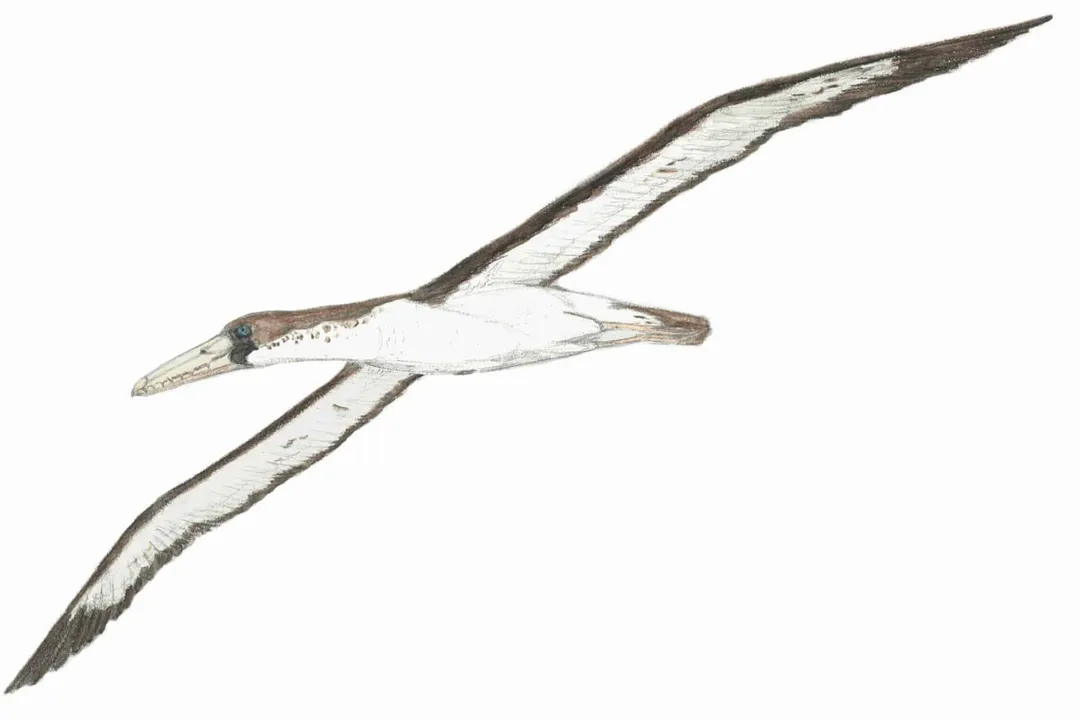
The fossil record occasionally coughs up a specimen so massive it forces scientists to rethink the physical limitations of biology, and Pelagornis is certainly one of those creatures. This extinct avian reigned supreme as perhaps the largest bird ever capable of sustained flight, dwarfing nearly all modern birds of prey and soaring birds alive today. [2][6][9] Its very existence poses questions about bone density, muscle power, and the physics of aerodynamics when scaled up to such tremendous dimensions. [6]
# Giant Wingspan
The most immediately arresting feature of Pelagornis sandersi—the best-known species—is its sheer scale. Estimates based on the preserved wing bones place its wingspan in an astonishing range, perhaps stretching between 6.1 and 7.4 meters (20 to 24 feet). [2][6][9] To put this into perspective, the largest wingspan currently observed in a living bird belongs to the wandering albatross, which rarely exceeds 3.7 meters (12 feet). [2][9] This means Pelagornis could have boasted a wingspan nearly twice as wide as the largest oceanic glider alive today. [2]
The discovery itself, made from bone fragments unearthed in Charleston County, South Carolina, in 2014, immediately signaled something exceptional. [2][5][9] While the initial finding was not a complete skeleton, the size of the humerus and the coracoid (key bones for wing attachment and support) were sufficient for researchers to extrapolate its massive dimensions. [2][5] The sheer difference in magnitude compared to even the largest modern fliers suggests an entirely different set of ecological pressures and adaptations. [6] The bird’s wing construction suggests it wasn't built for slow, flapping flight, but rather for efficient, long-distance travel over water. [1][6]
# Bony Jaws
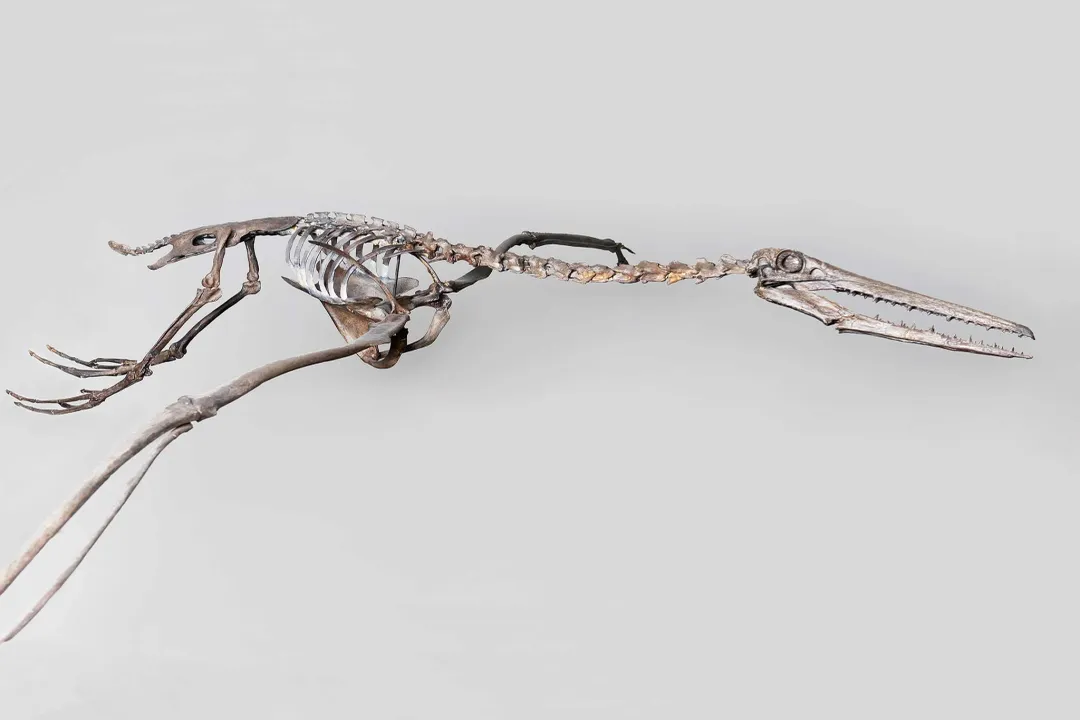
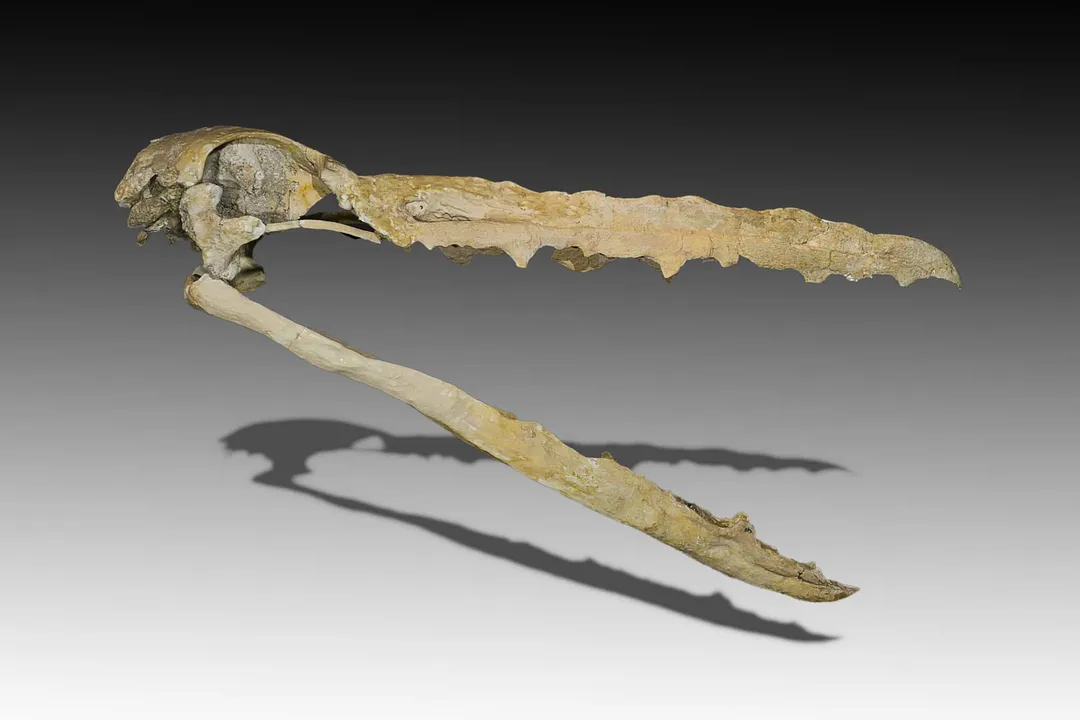
Beyond its size, Pelagornis possesses a characteristic that instantly sets it apart from almost all modern birds: the presence of what look like teeth along the edges of its beak. [1][3][5] These structures, known as pseudoteeth or odontoid projections, are not true teeth rooted in sockets, which birds lost millions of years ago. Instead, they are bony outgrowths from the jaw margin, covered in enamel. [1][3] This unique dental armature is the defining feature of the entire extinct order to which Pelagornis belongs: the Pelagornithiformes. [1][3][7]
The precise function of these sharp, bony projections is a topic of interest. While they lack the complexity of mammalian teeth, they would have been highly effective tools for grasping and securing slippery prey in a marine environment. [1] One can easily envision a scenario where, having spotted a fish or squid near the water's surface, Pelagornis needed a secure grip before the prey could slip away—the interlocking nature of the bony serrations would have provided this necessary purchase, acting like built-in gripping pliers rather than tools for active chewing. [1][3] This adaptation suggests a specialized feeding strategy tailored to their ocean habitat. [7]
# Ocean Gliding
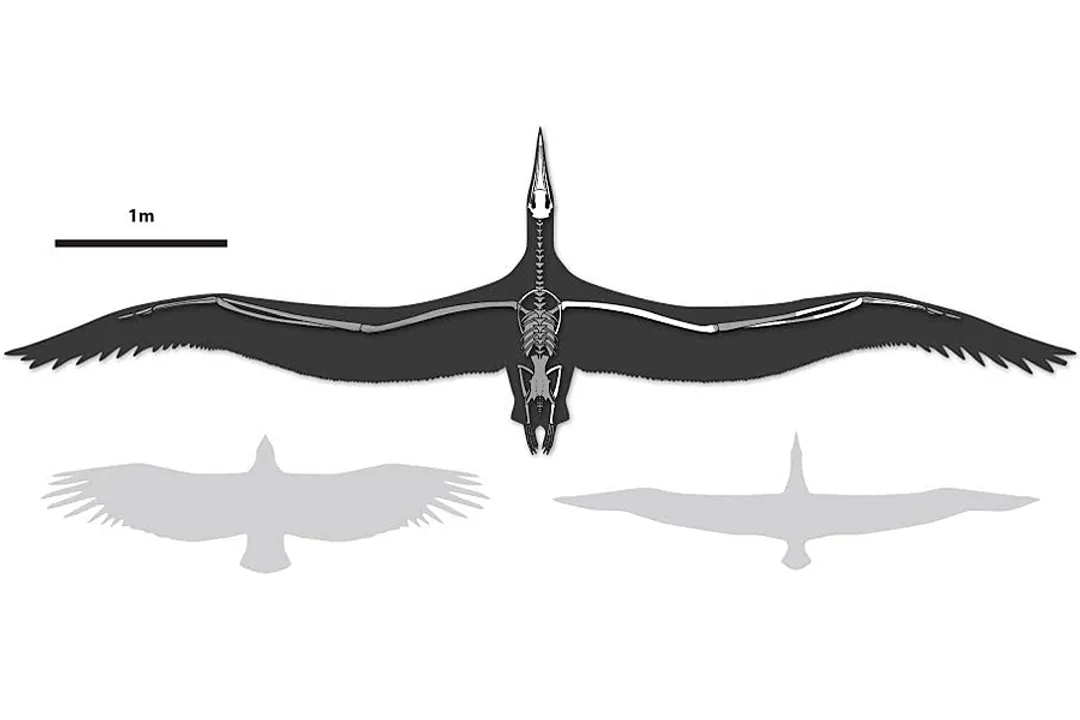
The paradox of Pelagornis is how such a massive frame could achieve flight. Heavier birds generally require more energy to become airborne and sustain flapping flight. [6] Researchers hypothesize that this giant relied heavily on a specialized technique known as dynamic soaring. [6]
Dynamic soaring is an energy-saving flight mechanism employed by large seabirds like albatrosses, which allows them to cross vast stretches of ocean with minimal energetic output. [6] It involves skillfully exploiting the wind gradient just above the ocean surface. The bird dives downwind to gain speed, then turns sharply into the wind, climbing steeply into the faster-moving air higher up, converting that speed into altitude before repeating the cycle. [6] For a bird with a potential 24-foot wingspan, this efficient gliding would have been non-negotiable for daily survival, meaning Pelagornis likely spent almost its entire adult life at sea, rarely needing to land on shorelines. [1][7]
The physical shape of the wings supports this lifestyle. The bones indicate a high aspect ratio wing—long and narrow. [1] This morphology is aerodynamically optimized for gliding and minimizing drag during sustained travel over open water, much like a modern glider plane or a high-performance sailplane. [1] Conversely, birds needing sharp turns or bursts of speed to navigate complex coastal environments often possess shorter, broader wings, which Pelagornis clearly did not have, cementing its status as a true pelagic specialist. [6] Considering its size, the initial takeoff must have been an impressive spectacle, likely requiring a running start or a cliff launch to generate enough initial speed to engage the dynamic soaring cycle effectively. [6]
# Ancient Mariner
Pelagornis was not a recent visitor to the planet; it inhabited the world during the Oligocene epoch. [1][4] Dating estimates place its existence roughly between 28 and 25 million years ago. [1][4] This places it deep within the Cenozoic Era, long after the demise of the non-avian dinosaurs. [4]
The fossil evidence, primarily sourced from the Santee Formation in South Carolina, paints a picture of a world changing from a warmer state to cooler, more arid conditions, though the immediate coastal environment where Pelagornis lived would have remained rich in marine life. [5] Its presence in the fossil record helps scientists map out the evolution of large seabirds and how they colonized the world's oceans during this crucial transitional period in avian history. [1] While relatives of Pelagornis have been found across the globe, this particular species offers a detailed look at the megafauna supported by the ancient North Atlantic coastline. [7]
To summarize the key differences that make Pelagornis unique, one can compare its defining traits against the largest living flyer, the wandering albatross:
| Feature | Pelagornis sandersi (Extinct) | Wandering Albatross (Living) |
|---|---|---|
| Wingspan Estimate | Up to 7.4 meters (24 ft) [6] | Up to 3.7 meters (12 ft) [2] |
| Jaw Structure | Prominent, enamel-covered bony projections (pseudoteeth) [1][3] | Modern keratinous beak, no projections [1] |
| Epoch | Oligocene (~28 to 25 MYA) [1][4] | Modern |
| Flight Style | Likely heavy reliance on Dynamic Soaring [6] | Dynamic Soaring |
The successful life of a bird this large suggests an incredibly productive marine ecosystem capable of supporting a predator requiring substantial caloric intake, even if that intake was spaced out by long periods of efficient gliding. [7] Pelagornis serves as a profound reminder that the upper limits of avian size and aerial capability were once pushed far beyond what we observe in the contemporary world. [6]
#Videos
Pelagornis the Largest Sea Bird that ever Lived - YouTube
Related Questions
#Citations
Pelagornis - Wikipedia
News and Events » Pelagornis – The Largest Flying Bird in the World
Pelagornis Animal Facts
Pelagornis the Largest Sea Bird that ever Lived - YouTube
Pelagornis - A Dinosaur A Day
Biggest flying bird ever: How did it get off the ground? - CSMonitor.com
Pelagornis | Tier Zoo Wiki - Fandom
Pelagornis Facts, Habitat, Diet, Fossils, Pictures - Extinct Animals
Pelagornis sandersi The World's Largest-Ever Flying Bird