What was the likely primary function of Pelagornis's sharp, bony projections?
Answer
Grasping and securing slippery prey
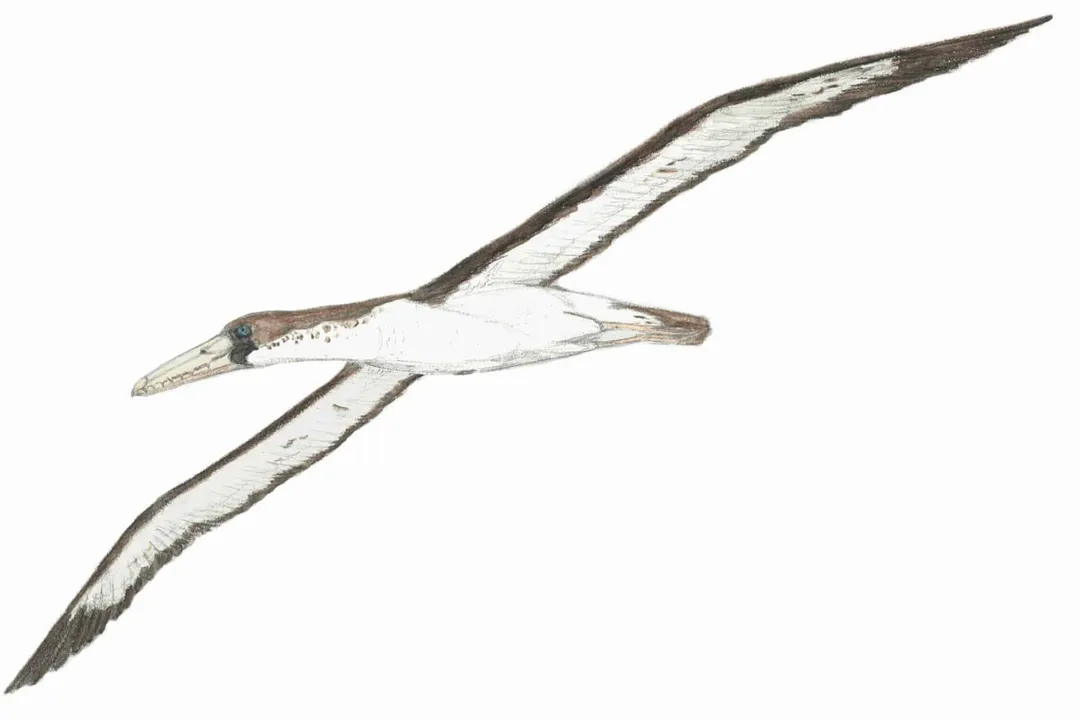
The sharp, bony projections, or pseudoteeth, along the margins of the Pelagornis beak were highly effective tools designed for managing marine prey. Lacking the complexity of true teeth necessary for chewing, their interlocking, serrated nature provided necessary purchase to secure slippery targets like fish or squid encountered near the water's surface. This adaptation functioned like built-in gripping pliers, ensuring that once prey was spotted and grasped, it could not easily slip away before the bird secured its meal, reflecting a feeding strategy specialized for its ocean habitat.
#Videos
Pelagornis the Largest Sea Bird that ever Lived - YouTube
Related Questions
What was the approximate maximum wingspan estimated for Pelagornis sandersi?What are the bony outgrowths on the Pelagornis beak correctly termed?During which geological epoch did Pelagornis inhabit the world?What specialized flight mechanism did researchers hypothesize Pelagornis heavily relied upon?Where were the initial bone fragments used to identify Pelagornis sandersi unearthed?What wing morphology is indicated by the bones of the massive Pelagornis?What was the likely primary function of Pelagornis's sharp, bony projections?How does the jaw structure of Pelagornis contrast with the wandering albatross?Which specific wing bones were crucial for extrapolating the massive dimensions of Pelagornis?What extinct order does the unique dental armature of Pelagornis define?