What two specific genetic designations are sometimes utilized by taxonomists for the domestic dog?
Answer
*Canis lupus familiaris* and *Canis familiaris*
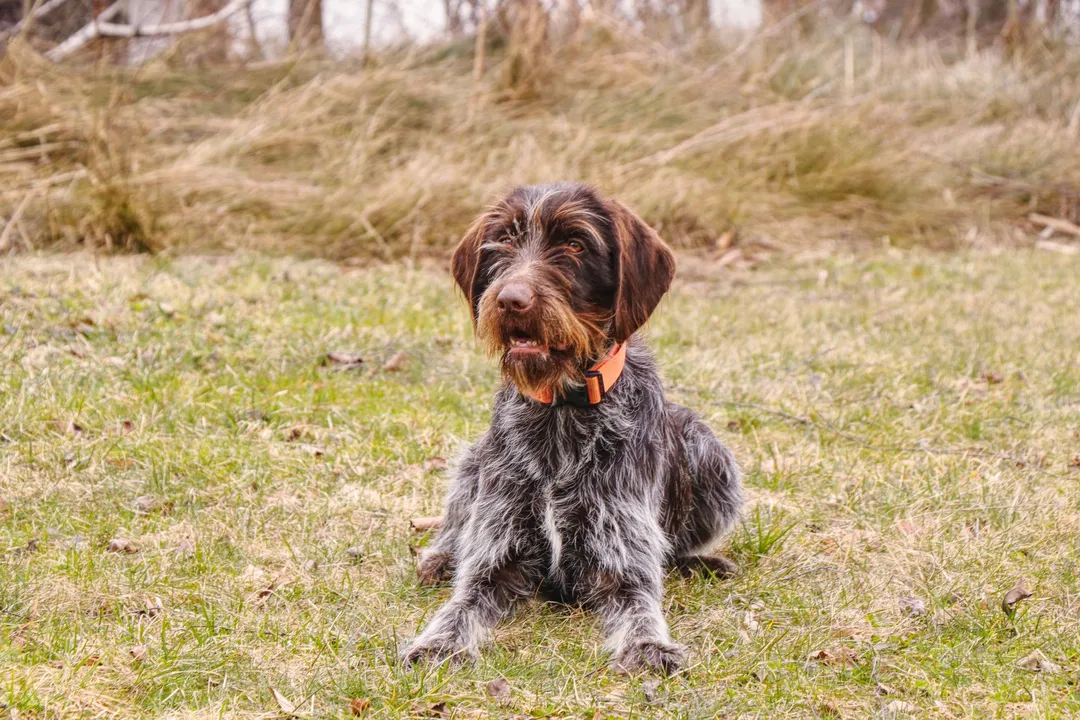
The specific scientific designation for the domestic dog has seen revision among taxonomists. Many scientific bodies formally utilize the trinomial nomenclature *Canis lupus familiaris*, classifying the dog as a subspecies of the gray wolf (*Canis lupus*). However, other authorities or kennel clubs may still employ the binomial name *Canis familiaris* as a way to denote the established domestic species distinctly separated from its wild counterpart. Both names situate the Wirehaired Pointing Griffon within the same fundamental scientific grouping, signifying shared genetic heritage across the species, even if the precise nomenclature varies between different bodies.
Related Questions
What is the formal trinomial nomenclature used by many scientific bodies for the domestic dog?Which individual is credited with largely standardizing the Wirehaired Pointing Griffon in the late 19th century?What Order places the WPG alongside bears, seals, and weasels based on its predatory nature?What is the primary protective function of the WPG's harsh, water-resistant double coat?To which functional group does the AKC place the WPG based on its intended purpose?What biological rank signifies that the WPG possesses hair or fur and nurses its young with milk?What must a diet provide, linked to the WPG's placement in Order Carnivora, to support its coat and musculature?What two specific genetic designations are sometimes utilized by taxonomists for the domestic dog?What combination of terrains was the WPG designed by breeders to effectively hunt over?What essential trait differentiates the WPG's heritage from breeds like the German Wirehaired Pointer regarding breed development?