Wirehaired Pointing Griffon Scientific Classification
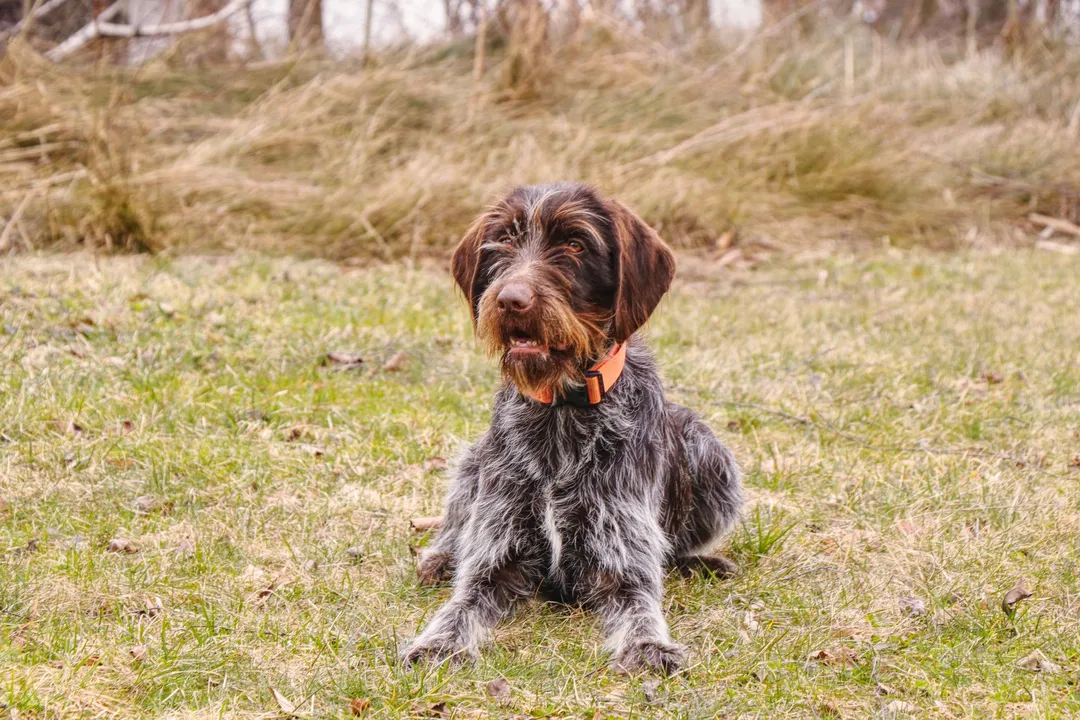
The Wirehaired Pointing Griffon stands as a distinguished member of the canine world, immediately recognizable by its distinctive, harsh outer coat and keen intelligence honed over generations for hunting. While many enthusiasts focus on its retrieving skills or its compatibility as a family companion, [4][10] understanding where this breed sits on the grand tree of life—its scientific classification—offers a deeper appreciation for its biological makeup and heritage. This classification firmly roots the Griffon within the broader family of dogs, tracing its lineage back to wild ancestors. [6]
# Biological Ranks
The classification process organizes living things based on shared characteristics and evolutionary history. For the Wirehaired Pointing Griffon (WPG), this journey begins at the highest levels and narrows down to the specific breed designation. As a mammal, the Griffon falls into the Kingdom Animalia, possessing multicellular bodies, heterotrophic nutrition, and the ability to move independently. [1] Moving down the hierarchy, it belongs to the Phylum Chordata, characterized by the presence of a notochord at some stage of development, and the Class Mammalia, meaning it is warm-blooded, possesses hair or fur, and nurses its young with milk. [1]
Its predatory nature places it within the Order Carnivora. Dogs, along with bears, seals, and weasels, share adaptations for a meat-based diet, though domestic dogs are highly adaptable omnivores. [1] Within this order, the WPG is firmly established in the Family Canidae, which encompasses wolves, foxes, jackals, and, of course, domestic dogs. [1]
# Genus Species
The next critical steps in defining the WPG scientifically involve the Genus and Species. All modern domestic dogs belong to the Genus Canis. [1] The specific species designation has seen some revision over time among taxonomists, reflecting the dog's origin as a domesticated descendant of the gray wolf (Canis lupus). [6]
Many scientific bodies now formally classify the domestic dog as a subspecies of the gray wolf, using the trinomial nomenclature: Canis lupus familiaris. [6] However, other authorities or kennel clubs might still utilize the binomial name Canis familiaris to denote the established domestic species distinct from its wild counterpart. [6] Regardless of which specific nomenclature is used, the Wirehaired Pointing Griffon is unequivocally placed within this scientific grouping, signifying its shared genetic heritage with all other recognized dog breeds. [6] Its presence in genetic testing databases, such as those at UC Davis, relies on this established breed definition. [6]
# Breed Formation
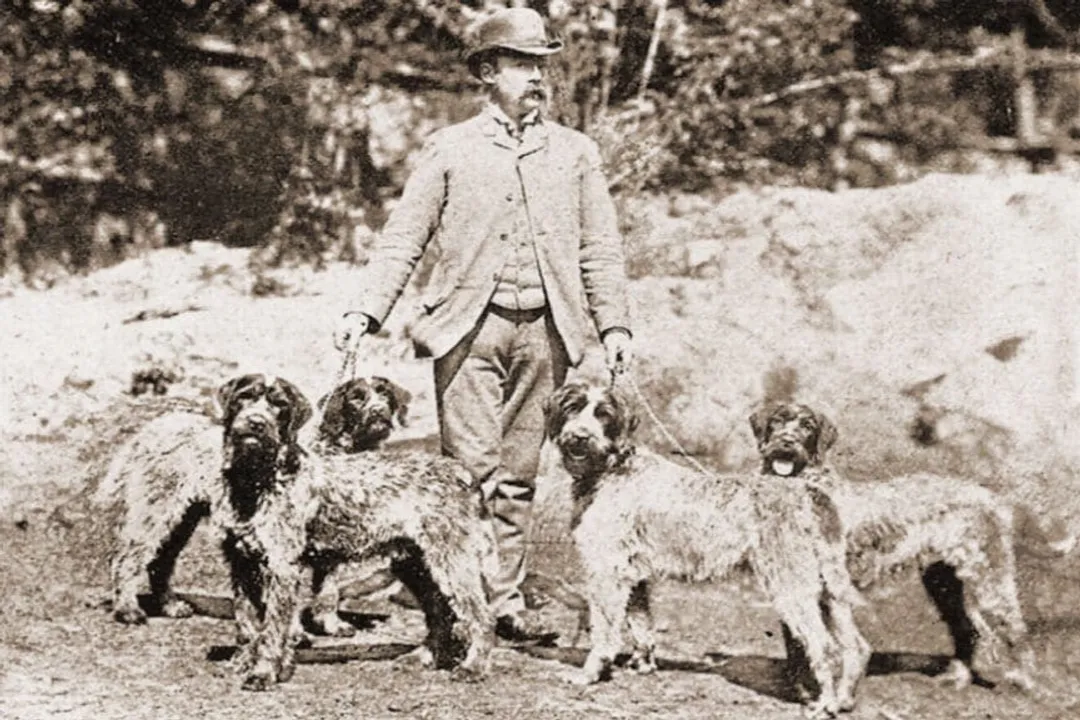
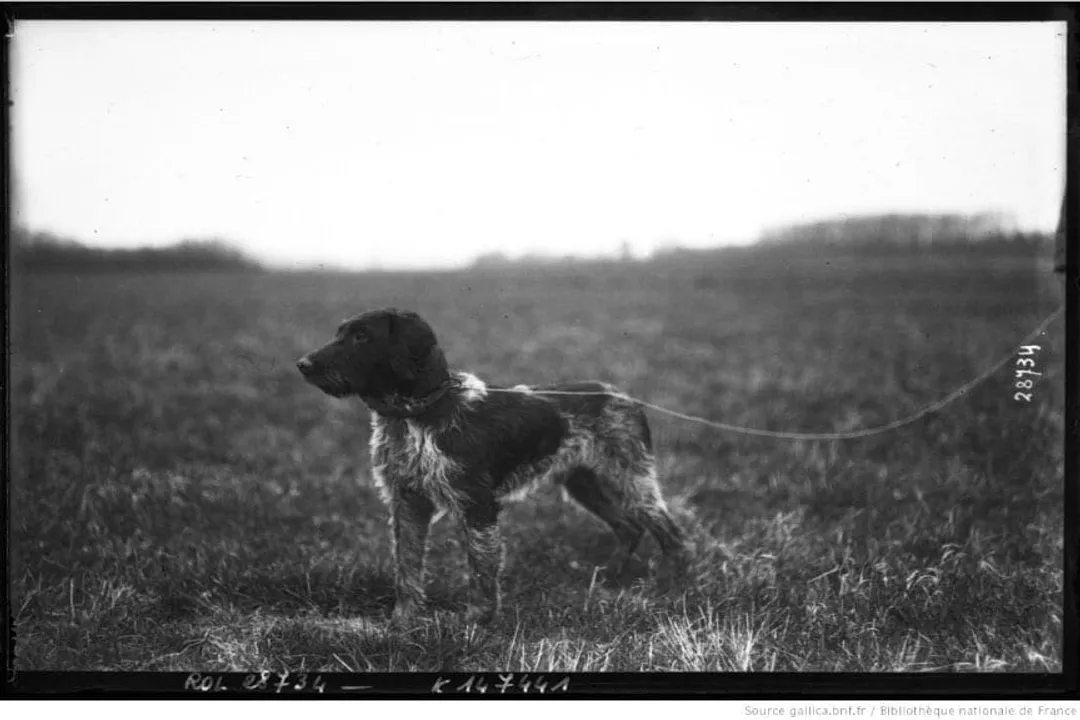
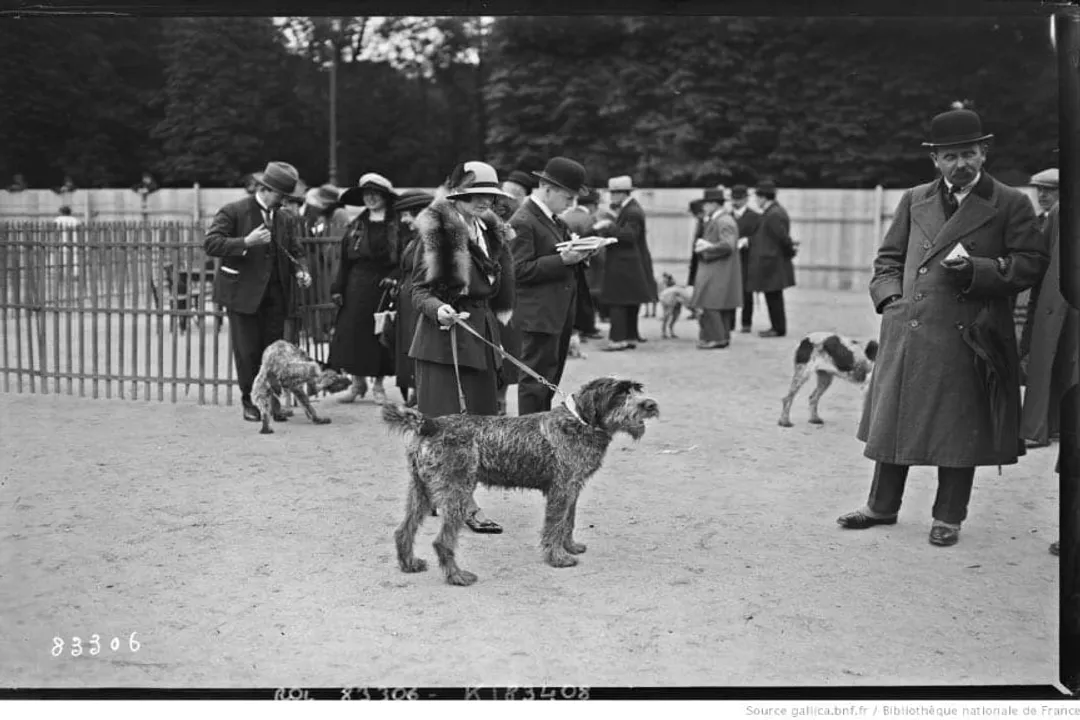
To appreciate the WPG's specific niche, one must look at its historical development, which solidified its identity separate from other Canis lupus familiaris populations. The breed was largely standardized in the Netherlands during the late 19th century, often credited to Baron van Veen. [7] The goal was to create a versatile gun dog capable of hunting over various terrains—water, dry land, and dense cover. [7][1] This deliberate selection process ensured that the WPG possessed the necessary physical traits, such as its harsh, water-resistant double coat, and the temperament required for close work with a hunter. [2][5]
The breeding aimed for a dog that was intelligent, obedient, and tireless in the field. [7] This careful construction, managed by dedicated breeders, is what allows veterinary geneticists and breed registries to assign the WPG a fixed and recognizable status within the immense diversity of the domestic dog species. [6]
# Coat Classification
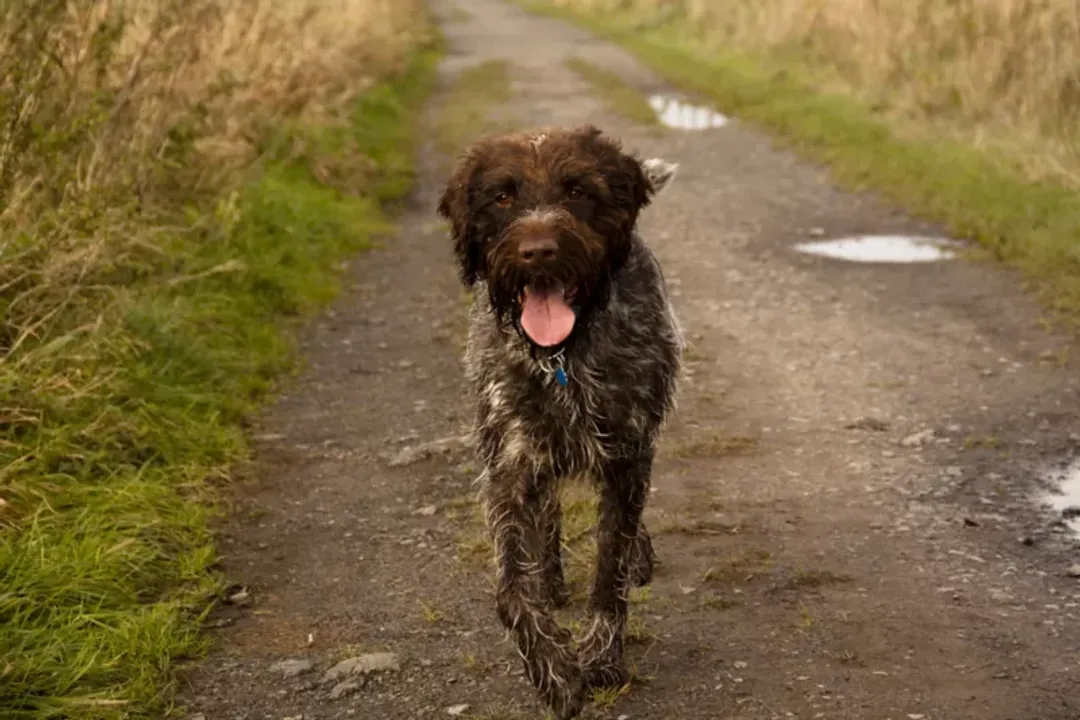
While the higher classification reflects shared ancestry, the WPG’s common name itself highlights a key physical trait that contributes to its unique profile: the Wirehaired texture. [10] This specific coat type is managed through selective breeding, giving the Griffon its distinctive, shaggy appearance. [2][5] The coat is described as harsh and coarse, designed to repel water and protect the dog from briars and rough vegetation encountered while hunting. [5] This differs sharply from the smooth coats of many pointing breeds or the softer coats of many companion dogs, representing an evolutionary/selective divergence within the Canis lupus familiaris structure. [10]
The persistence of this coat type in breed standards, such as those recognized by the American Kennel Club (AKC), places the WPG firmly within the Sporting Group. [4] This grouping is functional, describing the dog's intended purpose—pointing and retrieving game—rather than just its morphology, yet the physical trait is integral to that function. [3][4]

# Comparative Taxonomy
It is informative to compare the WPG's classification against similar breeds. For instance, the German Wirehaired Pointer shares the Canis lupus familiaris designation and the Carnivora order, but it belongs to a different family grouping within the breed registries, and its specific breed history diverges significantly from the Dutch origins of the Griffon. [1] Similarly, while both are pointing breeds, the WPG's heritage is often traced closer to the older European water dogs than some of the pointers developed later for speed over open fields. [7]
Technically, if we look at genetic distance, the differences between a WPG and, say, a Beagle or a Great Dane are minute at the species level—they are all Canis lupus familiaris. [6] The differences we perceive are largely the result of human selection acting on minor genetic variations over relatively short periods, resulting in vastly different outward appearances and temperaments, yet they all share the same fundamental scientific classification hierarchy below the genus level. [6]
# Practical Identity Versus Scientific Identity
An interesting point arises when contrasting the official scientific hierarchy with how breeders and owners interact with the breed. The scientific classification confirms the dog's biological status as a member of the Canidae family, informing everything from veterinary practice to genetic screening. [1][6] However, the breed club identity—the Wirehaired Pointing Griffon—is a social and historical construct built upon centuries of specific performance requirements. [7] A prospective owner researching the breed might find details about its temperament—often described as affectionate, eager to please, and energetic [4][10]—which are behavioral traits shaped by the purpose for which it was classified (i.e., bred), not inherent biological mandates of its species status. The necessity for extensive daily exercise, often cited by breed experts, [3] stems directly from its design as an all-around hunting dog, a functional role solidified long before modern genetic taxonomy became commonplace. [7]
When considering care, recognizing its placement in the Order Carnivora is a useful touchstone, even as modern canine nutrition moves toward more varied diets. The WPG’s nutritional needs are genetically predisposed toward high-quality protein sources to support the high activity levels necessary for a dog bred to work all day in the uplands or water. [3] A diet lacking sufficient amino acids, crucial for maintaining that thick, protective wire coat and the powerful musculature underneath, will quickly show in the dog’s performance and health, regardless of its precise placement in the Canis genus. [2]
The sheer versatility encoded into the Griffon's development—being expected to point upland birds, retrieve waterfowl, and then settle calmly indoors—is a testament to how effectively breeders managed the genetic plasticity within the Canis lupus familiaris framework to meet a specific occupational niche. [4][7] The scientific structure confirms what the dog is biologically, but its history reveals why it looks and acts the way it does. [1]
Related Questions
#Citations
Wirehaired Pointing Griffon - Wikipedia
Wirehaired Pointing Griffon - Discover Animals
Wirehaired Pointing Griffon Information, Character, Form, and History
Wirehaired Pointing Griffon - Dog Breeds - American Kennel Club
Wirehaired Pointing Griffon - All About Dogs | Orvis
Wirehaired Pointing Griffon - Veterinary Genetics Laboratory
History | Discover Our Legacy - AWPGA
Wirehaired Pointing Griffon - Breed Info – Bell Veterinary Clinic
Wirehaired Pointing Griffon - Dogs - A-Z Animals
Wirehaired Pointing Griffon: Breed Characteristics & Care