Wirehaired Pointing Griffon Facts
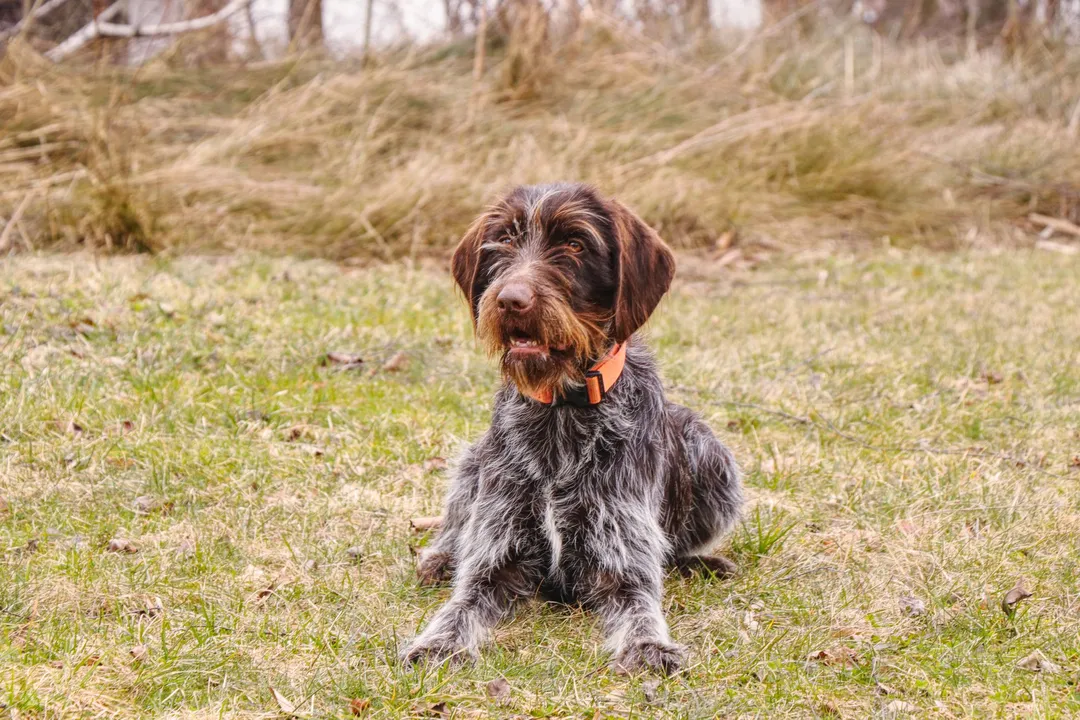
The Wirehaired Pointing Griffon, often affectionately called the "Griff," presents a striking profile with its shaggy, weatherproof coat and intelligent, keen expression, instantly marking it as a dog built for serious outdoor work rather than the show ring alone. [1][4] This breed carries a relatively low profile in the United States compared to some more popular sporting dogs, yet those who own or hunt with them often describe them as the ultimate versatile gun dog, excelling in retrieving from water, pointing upland birds, and tracking. [2][5] Their distinctive look is a direct result of their historical purpose—a dog that needed to be tough, dependable, and adaptable across diverse hunting environments. [2]
# Origin Story

The genesis of the Wirehaired Pointing Griffon is rooted in the late 19th century, a time when hunters sought to create the ideal all-around gundog. [2][3] The breed's development is largely credited to Eduard Korthals, a Dutch gentleman residing in France, who aimed to produce a dog that possessed the best traits of existing pointing and retrieving breeds. [3] Korthals worked meticulously for decades, crossbreeding various dogs, including likely German pointers, setters, and perhaps spaniels or water dogs, to achieve his goal: a dog that was not only an excellent hunter in marshes, fields, and water but also a devoted family companion. [2][5] The breed was first officially recognized in France, though it maintained strong popularity in its native Netherlands and later in North America. [3] It is interesting to note the naming convention—the "Wirehaired" clearly describes the coat texture, while "Pointing Griffon" emphasizes its function and general, hardy look, differentiating it from smoother-coated breeds. [2] For many years, this dog was known in the U.S. simply as the Pointing Griffon, with the "Wirehaired" distinction becoming more formalized later. [8]
# Physical Traits
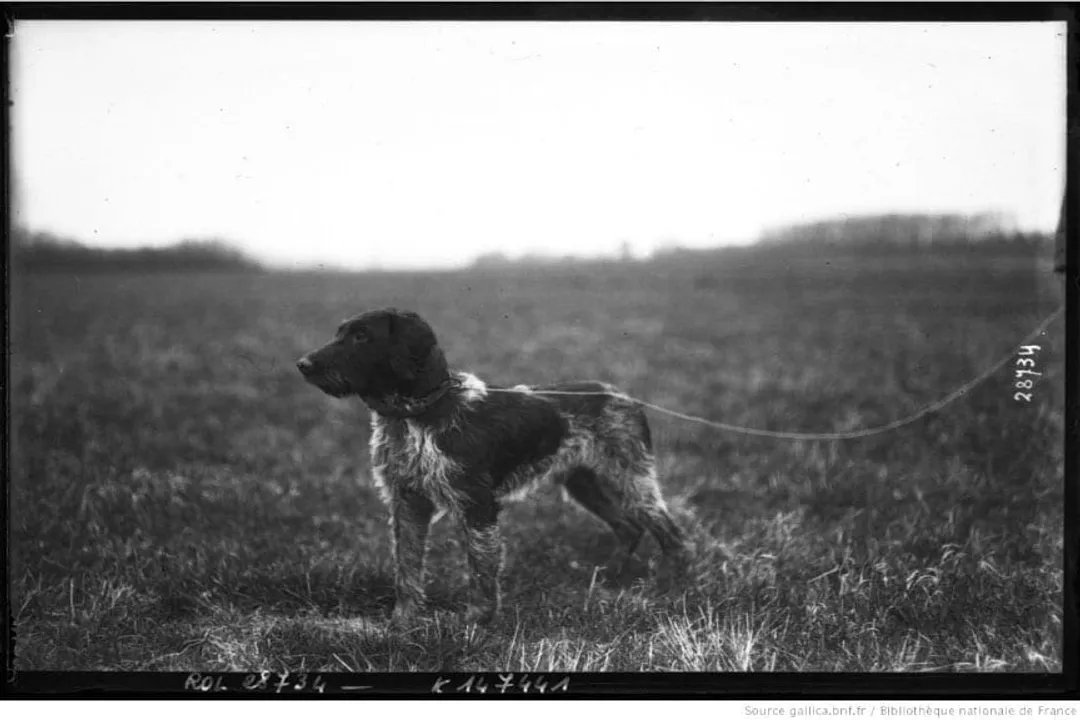
A key feature of the Griff is its hardy exterior, which serves a very practical purpose in the field. [1] They are considered a medium-sized breed, typically standing between 22 and 24 inches at the shoulder for males, with females slightly smaller. [1][8] Weight generally falls between 50 and 60 pounds. [1]
# Coat Structure
The signature element of the Griff is its coat, which is harsh, dense, and wiry on the top layer, offering substantial protection against briars, cold water, and harsh weather. [4] Beneath this protective exterior lies a soft, downy undercoat that provides insulation. [1] The face is often framed by distinct eyebrows and a prominent mustache and beard, which many owners feel adds to the breed's somewhat scruffy, endearing charm. [4] The color palette for the coat is generally restricted, most commonly appearing in shades of steel gray, chestnut, or a mixture of gray and brown (Grizzle). [1][8] This specific texture means that shedding is relatively low, a fact many apartment dwellers appreciate, although this low-shedding characteristic means the coat requires specific maintenance to retain its harshness. [4]
# Conformation Overview
Their build is sturdy and balanced, suggesting endurance over sheer speed. [1] They are built to work all day, not just for a brief burst of energy. Their eyes are usually almond-shaped and set to give an intelligent, earnest look. [4] Unlike some spaniels or retrievers, the Griff is usually presented with its tail undocked, carried level with the back when alert. [3] This conformation is a testament to Korthals’ original goal: creating a rugged, all-terrain athlete. [2]
# Temperament Profile

The Wirehaired Pointing Griffon is consistently described as possessing a wonderfully balanced personality that makes it suitable as both a working partner and a devoted family pet. [7] They are known for their high intelligence and an earnest desire to please their owners, which translates well into training scenarios, provided the training is positive and consistent. [4]
# Family Dynamics
In the home, the Griff tends to be affectionate and often forms incredibly strong bonds with its immediate family. [7] They are generally known to be good with children, though supervision, as with any dog, is always advised, especially given their enthusiastic nature. [4] Many owners report that their Griff often prefers to be near their people, thriving on companionship rather than being left isolated in a kennel. [7] This need for connection is something prospective owners must recognize; a lonely Griff can become a bored, potentially destructive Griff. [5]
# Working Ethos
In the field, the breed is characterized by its steadiness and determination. [2] They possess a natural instinct to point, range out to find game, and then retrieve from land or water without complaint. [5] They are renowned for their scenting ability and their tendency to work closely with the hunter, making them excellent field companions who are attentive to hand signals and voice commands. [2] They are often described as having a "soft mouth," meaning they return game gently, minimizing damage to the retrieve. [5]
It’s worth noting that the Griff's temperament can vary depending on its breeding lineage—whether it comes from lines rigorously bred strictly for field performance or from those lines selected for calmer show/companion temperaments. [1] Owners looking for a hunting dog should seek out breeders who prioritize field trials and hunting aptitude, while companion owners might prioritize stable, proven temperaments from show lines. [6] An essential part of managing their temperament is early socialization; exposing a young Griff to various sights, sounds, people, and other animals is key to ensuring they grow into well-adjusted adults, preventing any tendency toward wariness that can sometimes appear in closely bred working lines. [7]
# Care Requirements
Caring for a Wirehaired Pointing Griffon involves meeting their high physical and mental needs, which stem directly from their sporting heritage. [5] Neglecting these areas is the fastest route to behavioral issues. [7]
# Exercise Demands
These dogs are not built for a leisurely walk around the block a couple of times a day; they require vigorous daily exercise. [5] This could mean a solid hour or more of activity, which should ideally involve activities that engage their brains as well as their bodies. [7] Fetch, advanced obedience drills, or actual hunting/field work are ideal outlets. [5] If an owner is a runner, hiker, or enjoys activities like kayaking, the Griff makes an enthusiastic partner. [2] For those living in urban settings, committing to regular weekend trips to open spaces is crucial, as simply having access to a small yard is insufficient if they aren't actively engaged. [5] This sustained energy level is one of the most significant factors prospective owners must honestly assess before bringing a Griff home. [6]
# Grooming Needs
The unique double coat demands attention, though perhaps not the high-maintenance clipping required by some other wire-coated breeds. [4] The coat needs regular brushing—several times a week—to prevent matting, especially in the undercoat and longer furnishings (beard, eyebrows). [4] Crucially, for dogs intended for field work, the coat should ideally be hand-stripped rather than clipped with electric clippers. [4] Clipping the coat cuts the wiry outer layer, causing it to grow back soft and losing its protective qualities. [4] Stripping encourages the harsh texture to come through, maintaining its water and brush resistance. Bathing should be done only as needed, as over-bathing can strip the natural oils essential for coat health and water repellency. [1]
# Training Approach
Training a Griff is generally rewarding due to their intelligence and desire to please, but they do require an owner who can be firm, fair, and consistent. [4][7] They respond best to positive reinforcement methods. [7] Harsh corrections or heavy-handed training will likely cause this sensitive dog to shut down or become withdrawn. [4] Early introduction to basic commands and field retrieving dummies should start as soon as they come home. Given their strong nose and focus, off-leash reliability comes through consistent training in distraction-heavy environments, not just in the quiet backyard. [2]
# Health and Lifespan
Compared to some purebreds, the Wirehaired Pointing Griffon is generally considered a sound and healthy breed. [8] Their typical lifespan ranges from 12 to 14 years. [8] While they are hardy, responsible breeders screen for hereditary conditions common in sporting dogs. [8] Owners should be aware of potential issues such as hip dysplasia, a condition where the hip joint does not develop properly. [8] Some lines may also be prone to certain eye conditions, such as progressive retinal atrophy (PRA). [8] Regular veterinary check-ups, maintaining a lean body weight to reduce strain on joints, and choosing a reputable breeder who tests their breeding stock are the best proactive steps an owner can take to ensure a long, healthy life for their Griff. [6]
# Breed Comparison: Griff vs. Others
When looking at the spectrum of versatile hunting dogs, the Wirehaired Pointing Griffon sits in a unique space. Unlike the more outwardly focused German Shorthaired Pointer, the Griff is often described as working closer to the hunter, exhibiting a more methodical, deliberate search pattern. [2] While breeds like the German Wirehaired Pointer share the wiry coat and versatility, the Griff is often characterized as being slightly less intense or "hot-headed" than some of its cousins, possessing a steadier temperament ideal for close companionship when not actively hunting. [3] This subtle difference in drive—the Griff being capable yet content to relax inside—is what many owners cite as the reason they chose this specific breed over others in the all-purpose category. [6] For instance, if you compare the Griff's need for tactile affection with the more independent nature sometimes seen in a Weimaraner, the Griff clearly leans toward being an interactive family member first and a hunter second, though always ready to switch roles. [7]
If you are trying to decide between a Griff and a Vizsla, for example, you are trading the sleek, high-energy requirement of the Vizsla for the weather-resistant, low-shedding coat and slightly lower top-end energy of the Griff, although both require substantial daily exercise. [5] When considering the effort required for coat maintenance, the Griff's need for occasional stripping (if you wish to maintain the harsh texture) contrasts with the simple brushing of a Labrador, but avoids the constant shedding associated with short-coated breeds. [4] The investment you make in a Griff is one of time—time spent training, exercising, and bonding—which yields a deeply rewarding, multi-talented companion. [7]
#Videos
Wirehaired Pointing Griffon - Top 10 Facts - YouTube
Related Questions
#Citations
Wirehaired Pointing Griffon - Dog Breeds - American Kennel Club
Wirehaired Pointing Griffon Information, Character, Form, and History
Wirehaired Pointing Griffon - Wikipedia
Wirehaired Pointing Griffon: Breed Characteristics & Care
Wirehaired Pointing Griffon - Top 10 Facts - YouTube
Wirehaired Pointing Griffon Breed Facts and Information - Petco
What To Know About Wirehaired Pointing Griffons - WebMD
Wirehaired Pointing Griffon Dog Breed Information and Pictures
Wirehaired Pointing Griffon Facts - Dog Breeds - Wisdom Panel