Wirehaired Pointing Griffon Evolution
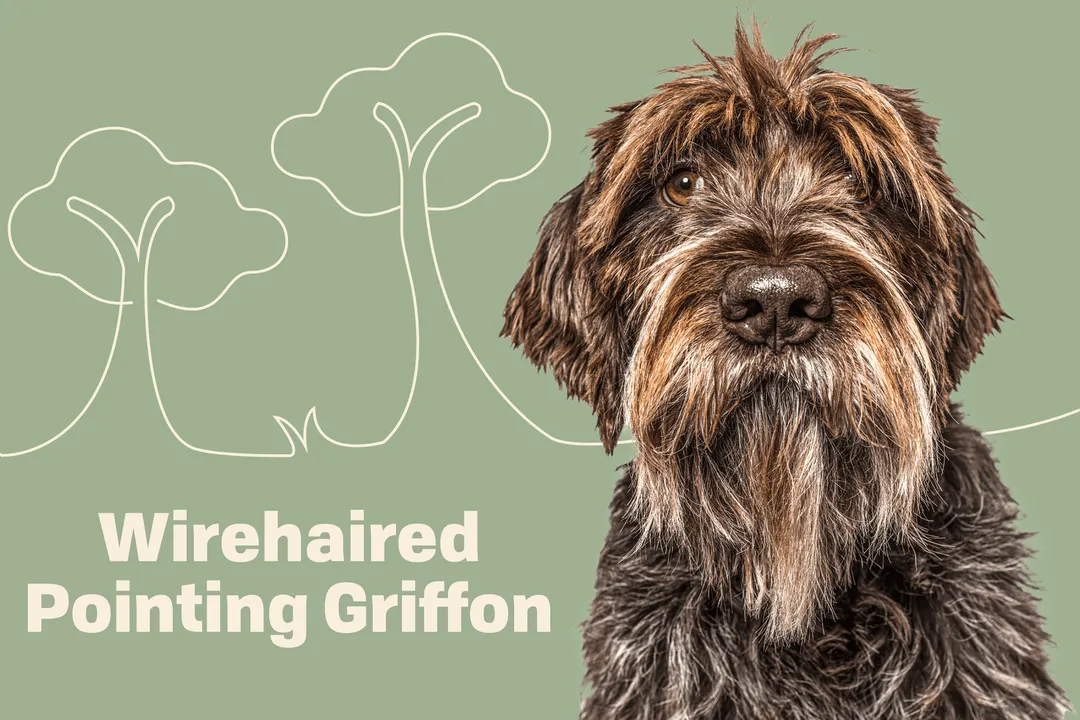
The development of the Wirehaired Pointing Griffon is a fascinating study in selective breeding, driven almost entirely by a desire for specialized utility in the hunting field. This breed was not the result of centuries of wandering European lines; rather, it was the product of a single man’s vision in the late nineteenth century. [1][2][4] The consensus points to the Netherlands as the birthplace of the modern WPG, where the dedicated efforts began around the 1870s. [7]
# The Founder
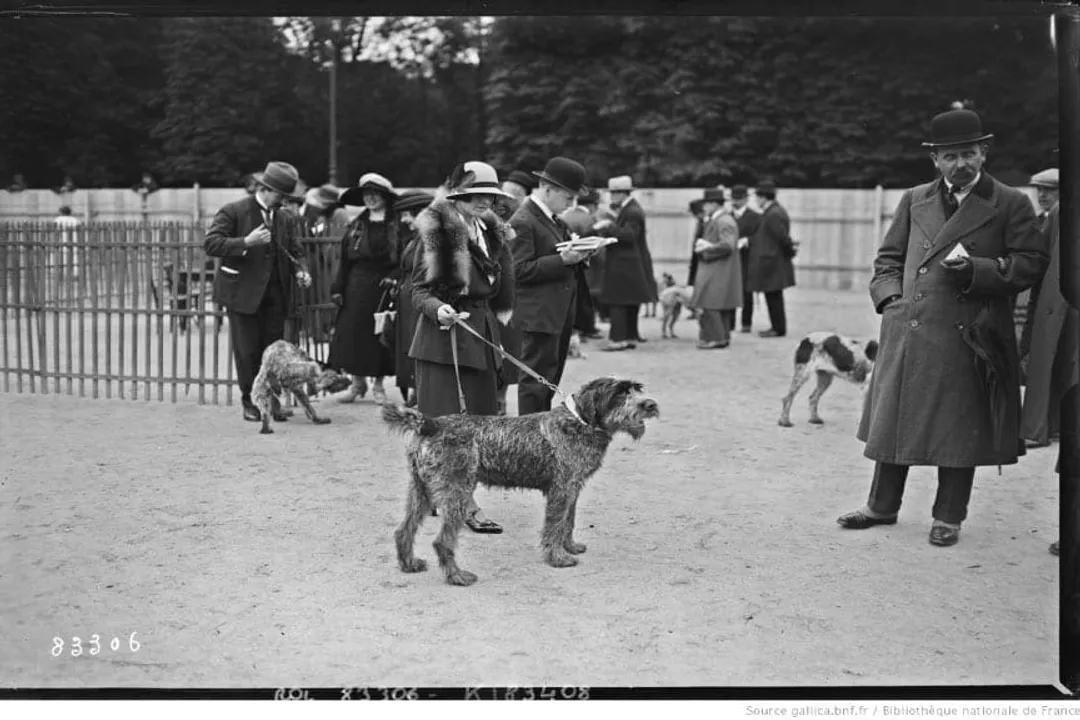
The architect behind this distinct hunting dog was Edward Radclyffe, who was also known by the name Van Constance. [1][4][7][9] Radclyffe's goal was explicit: to create a versatile gun dog. [1][7][9] This was not a dog meant to specialize in just one aspect of the hunt, like a steadfast setter or a specialized retriever. Instead, the ideal WPG needed to perform a full spectrum of tasks required by a hunter working varied terrain across the European landscape. [4][8]
It is interesting to consider Radclyffe’s approach compared to the sometimes more singular focus seen in developing other pointing breeds of the era. While many continental pointers focused heavily on pointing staunchness, Radclyffe seemed intent on building an all-weather, all-terrain companion capable of handling the entire retrieve, from scenting to the final delivery. [8] This inherent versatility is arguably the most significant early evolutionary driver for the breed's final configuration.
# Function Demanded Form
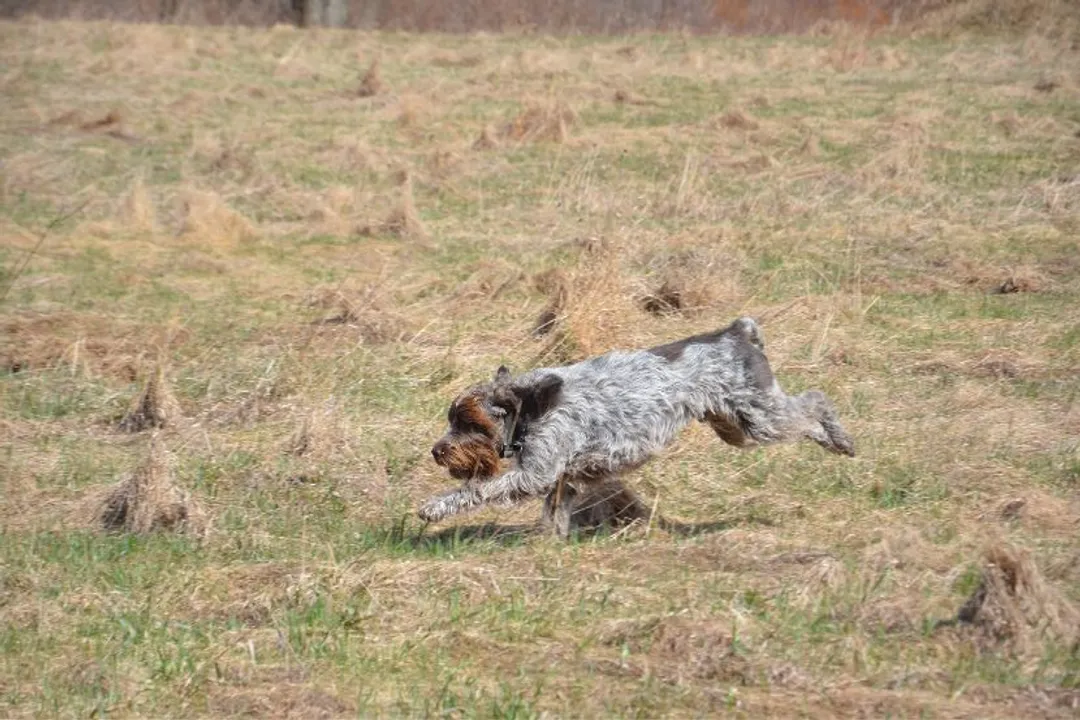
The key functional requirements dictated every physical trait the Griffon developed. Radclyffe needed a dog that could work marshes, dense upland thickets, and retrieve from icy water. [7][8] To survive and thrive in this environment, a specific type of coat was absolutely necessary, leading directly to the breed's most recognized feature. [8]
The coat is, by definition, harsh and wiry. [1][2] This texture is crucial because it provides protection against brambles, thorns, and dense undergrowth, allowing the dog to push through cover that might otherwise impede or injure a dog with a softer, silkier coat. [7][8] Furthermore, the density and harshness offer insulation and significant water resistance, making retrieval from cold ponds or rivers less taxing on the dog’s body temperature regulation. [4][8] The very name Griffon is derived from the Old French word for a shaggy or bristly coat, cementing this feature as central to the breed’s identity from its inception. [2]
The resulting physique needed to match this tough exterior. A Griffon had to be sturdy, balanced, and possessed of the stamina necessary to hunt all day, pointing upland birds, flushing game through brush, and bringing back waterfowl. [1][9]
# Naming Confusion
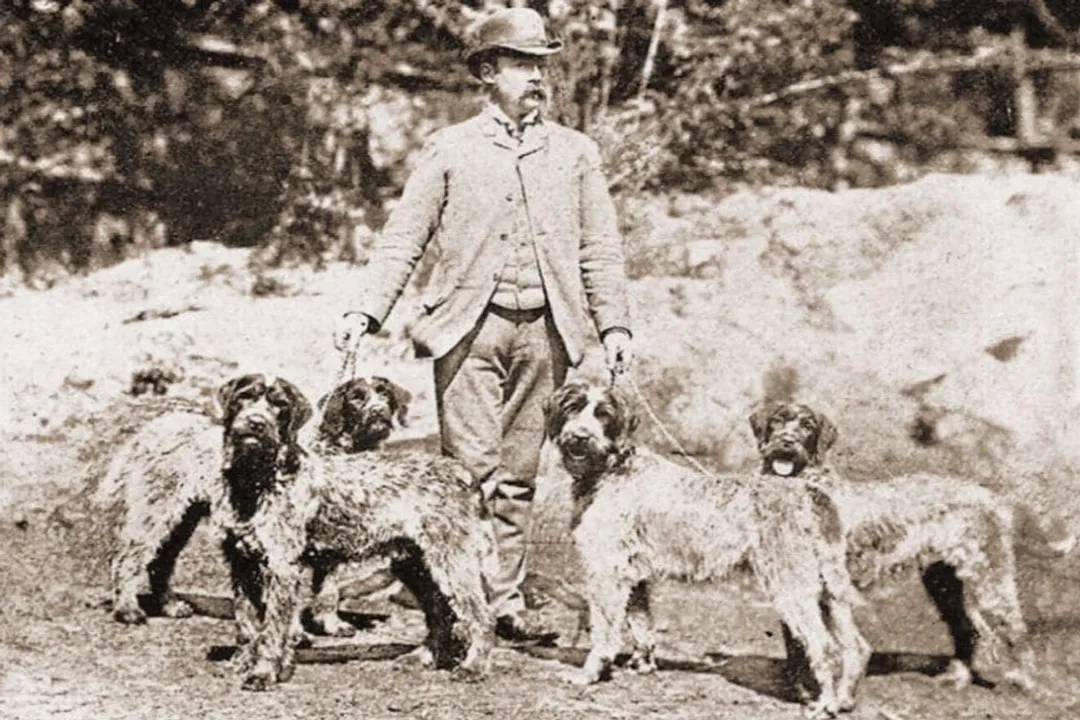
As with many breeds developed in cross-border regions or by individuals with international connections, the early life of the Wirehaired Pointing Griffon included some naming ambiguity. [7] At one point, the breed was known as the French Griffon. [7] This potentially created historical overlap or confusion with other similar breeds, most notably the Korthals Griffon. [2][7] While both share the "Griffon" moniker and a heritage linked to tough, wiry-coated hunting dogs, they are recognized as separate breeds today, a distinction that required careful pedigree management as both lines stabilized. [2] Understanding this historical naming overlap is key to tracking early enthusiasts who might have been working with similar breeding stock but under different regional banners. [7]
# Stabilization and Recognition
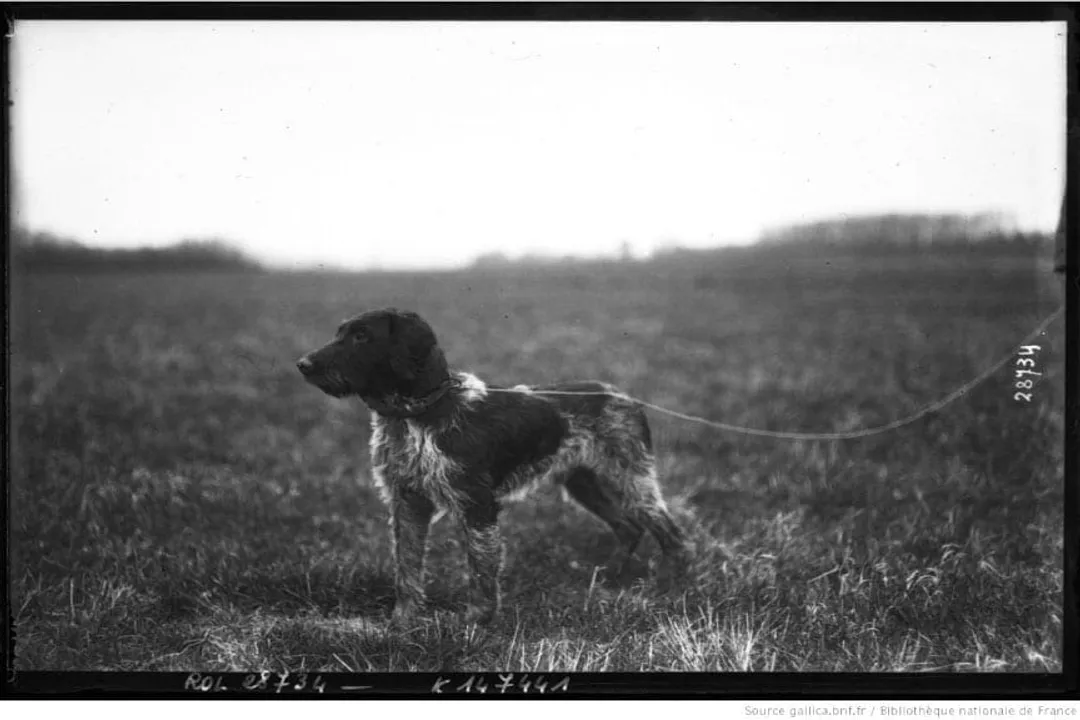
The practical success of Radclyffe’s creation in the field meant the breed rapidly gained favor among hunters who valued its comprehensive skillset. [8] As the type proved its worth, the focus shifted from creation to standardization—solidifying the appearance and temperament that matched the established functional requirements. [1][9]
The journey to international recognition was gradual. While the breed was established in the late 1800s, formal acceptance by major kennel clubs often took decades. For instance, the American Kennel Club (AKC) only officially recognized the Wirehaired Pointing Griffon in 2016. [2] This relatively recent recognition in North America contrasts with the breed’s deep working roots in Europe, highlighting a period where the dog was prized by working hunters long before it achieved widespread kennel status. [2][9]
# Functional Lineage Check
If we were to plot the WPG’s evolutionary path against, say, a purely pointer breed like the English Pointer, the difference in selection pressure becomes clear. The English Pointer often prioritizes speed and an extreme, statuesque point, sometimes at the expense of close retrieving or comfort in thick cover. [5] In contrast, the WPG’s evolution was constrained by a requirement for all-purpose competency. This means that while it must point well, it must also stay well, possess excellent scenting ability, and return willingly from water—all while wearing a protective, weather-resistant coat. [8]
Thinking about maintenance today, this historical context offers a direct lesson for modern owners. The dense, harsh coat is not merely an aesthetic choice; it is the armor built for the terrain Radclyffe intended the dog to hunt. [7] If an owner opts to strip or groom the coat down to a soft texture, they are effectively removing the primary evolutionary advantage the founder engineered into the line. Maintaining the functional texture is, in a way, preserving the breed's original purpose in a non-hunting context. [8]
| Characteristic | Breeding Goal (Late 19th Century) | Modern Manifestation |
|---|---|---|
| Coat | Harsh, wiry, dense | Protection from brambles and cold water [1][8] |
| Abilities | Pointing, flushing, retrieving (Land/Water) | Versatile gun dog [1][9] |
| Temperament | Obedient, trainable | Eager to please, devoted companion [4] |
| Origin | Netherlands (Van Constance/Radclyffe) | Established international breed standard [7][9] |
The evolution of the Wirehaired Pointing Griffon serves as a clear example of form following function in canine development. It shows how a dedicated breeder, seeking a precise tool for a specific job—all-around hunting in harsh, varied environments—can intentionally shape a lineage. The result is a dog whose outward appearance is an almost perfect diagram of its historical working mandate. [8] The WPG remains today a testament to Edward Radclyffe's success in creating a truly comprehensive hunting partner. [1][4]
#Videos
Where Did the Wirehaired Pointing Griffon Come From?
Related Questions
#Citations
Wirehaired Pointing Griffon - Dogs - Project Upland
Wirehaired Pointing Griffon
Bohemian Wire-Haired Pointing Griffon
Wirehaired Pointing Griffon
History of wirehaired pointing griffons breed
Where Did the Wirehaired Pointing Griffon Come From?
Form And Function Of The Wirehaired Pointing ...
Wirehaired Pointing Griffon Dog Breed Information