What sensory tools do wolf spiders use to locate prey while actively roaming?
Answer
Excellent eyesight combined with sensitive vibration detection through their legs
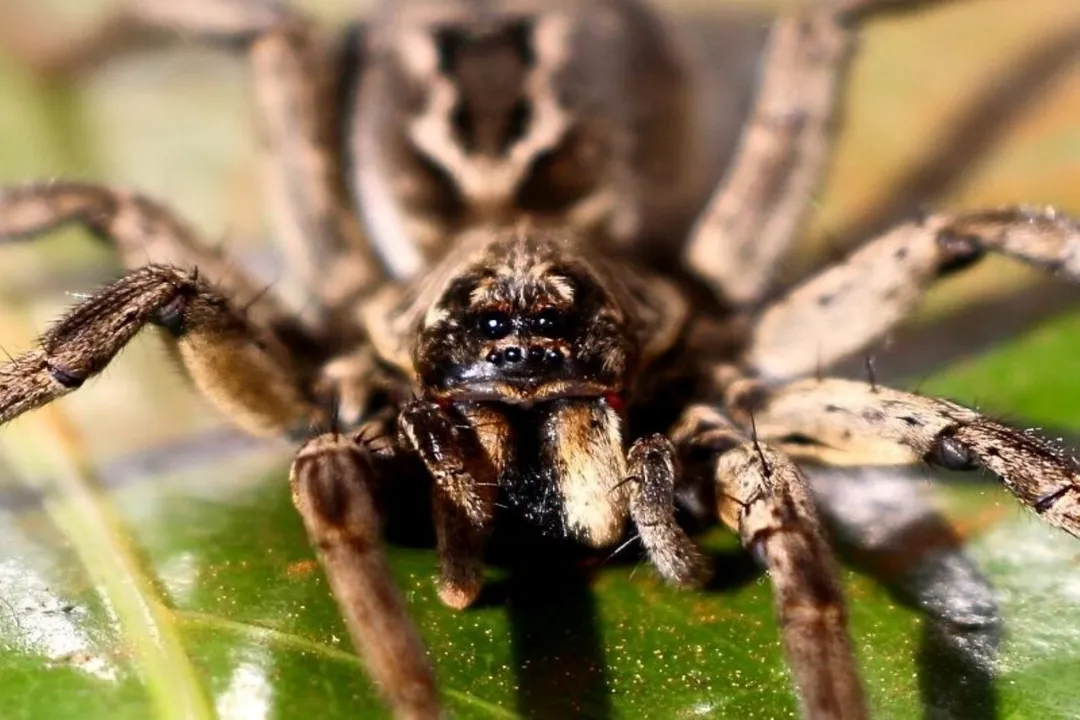
The wolf spider's ability to be an effective stalk-and-pounce predator is directly linked to its highly developed sensory apparatus, which allows it to navigate and hunt effectively on the ground. They possess excellent eyesight, enabling them to visually track movement nearby. Complementing their vision is their acute tactile sense, registered through their legs, which are highly sensitive to vibrations traveling through the ground, leaf litter, or soil. This dual sensory input allows them to locate and zero in on a suitable target before initiating their rapid, stealthy approach and subsequent pounce.
Related Questions
What forms the overwhelming foundation of the wolf spider's diet?How does the wolf spider's hunting style differ from obligate web-builders?What surprising prey might larger wolf spiders occasionally consume?What process do wolf spiders use to consume captured prey?For what primary functions is silk utilized by wolf spiders?What dictates the composition of a wolf spider's menu based on local resources?Which specific ground-crawling insects are cited as regular dietary components for wolf spiders?What behavior illustrates the wolf spider's opportunistic nature regarding other spiders?What sensory tools do wolf spiders use to locate prey while actively roaming?What is a practical implication of encouraging wolf spiders for home and garden pest management?