What behavior illustrates the wolf spider's opportunistic nature regarding other spiders?
Answer
Cannibalism, often targeting smaller or weaker individuals
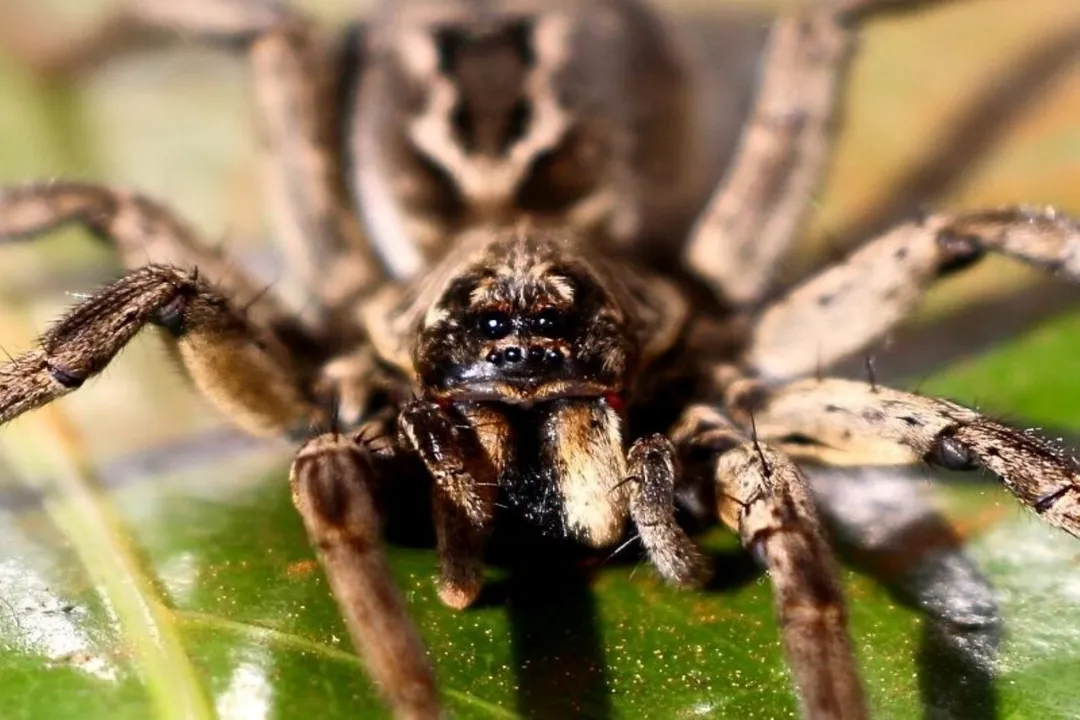
Wolf spiders display significant opportunism, extending their predatory behavior even to members of their own species or other spiders in general. This tendency toward cannibalism and spider predation serves as a means of population control, especially in environments where resources might be scarce. If a larger wolf spider encounters a smaller, less capable individual, the larger one may treat the smaller spider as a viable meal rather than avoiding it. They are not noted for selectivity in avoiding other spiders, provided the encounter occurs while the larger spider is actively hunting or foraging.
Related Questions
What forms the overwhelming foundation of the wolf spider's diet?How does the wolf spider's hunting style differ from obligate web-builders?What surprising prey might larger wolf spiders occasionally consume?What process do wolf spiders use to consume captured prey?For what primary functions is silk utilized by wolf spiders?What dictates the composition of a wolf spider's menu based on local resources?Which specific ground-crawling insects are cited as regular dietary components for wolf spiders?What behavior illustrates the wolf spider's opportunistic nature regarding other spiders?What sensory tools do wolf spiders use to locate prey while actively roaming?What is a practical implication of encouraging wolf spiders for home and garden pest management?