What primary adaptation strategy allows *C. rastrinus* to maintain structural integrity under immense deep-sea pressure?
Answer
Using softer, less mineralized skeletons and bodies full of water
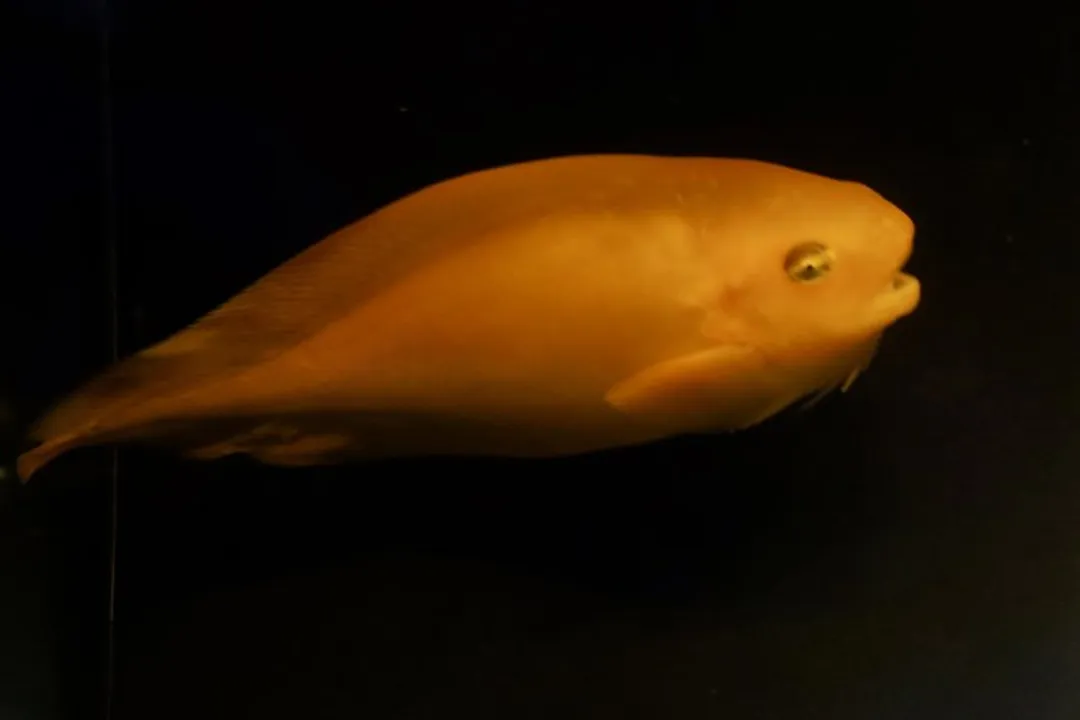
The species' success in high-pressure environments relies on maintaining structural integrity using softer bodies and less mineralized skeletons, contrasting with bulkier fish that would suffer collapse.
Related Questions
What is the scientific name for the creature commonly known as the Salmon Snailfish?The connection implied by the common name 'Salmon Snailfish' is purely superficial and hints at what characteristic?To which family of deep-sea fishes does *Careproctus rastrinus* belong?Which key anatomical detail is specifically noted as being absent in the Salmon Snailfish?What is the approximate maximum recorded length for specimens of *Careproctus rastrinus*?What is the deepest known occurrence depth reported for the Salmon Snailfish?What observation method is considered the gold standard for understanding the true form of *C. rastrinus*?What primary adaptation strategy allows *C. rastrinus* to maintain structural integrity under immense deep-sea pressure?What characteristic defines the geographic distribution center of *Careproctus rastrinus*?Which specific meristic counts are crucial for definitively separating *C. rastrinus* from its close relatives within the *Careproctus* genus?