What is the scientific class of a snake?
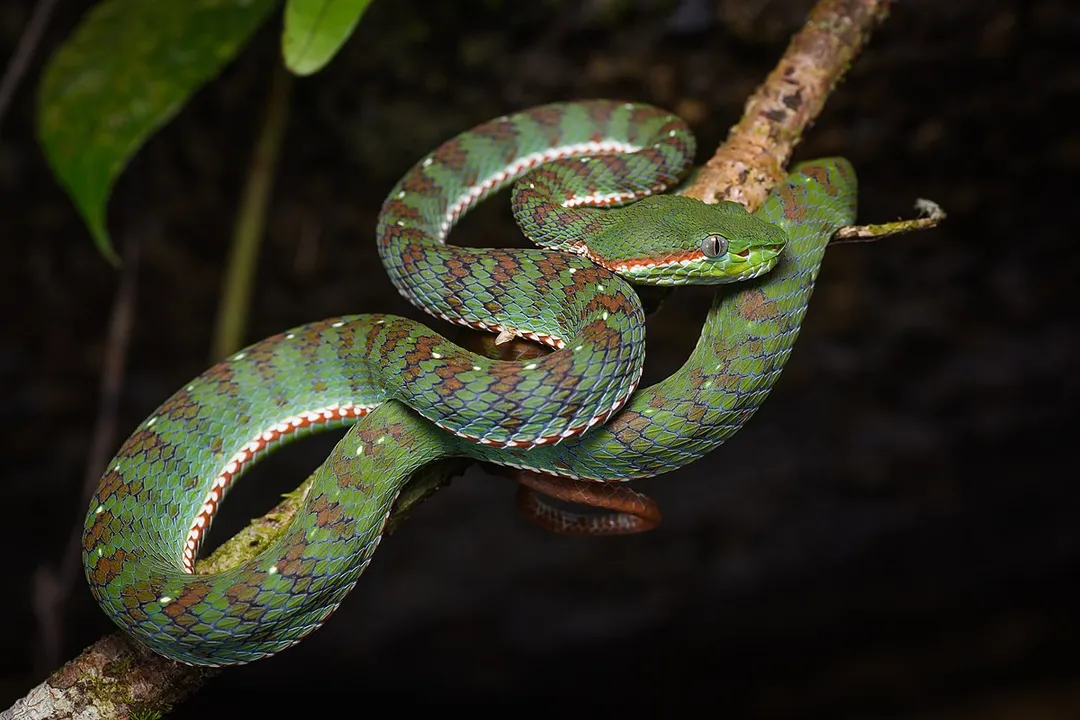
The placement of a snake within the grand hierarchy of life is firmly rooted in the class Reptilia. This classification immediately groups them with creatures many might not intuitively associate with serpents, such as turtles, crocodiles, and lizards. [2][5] Scientifically, snakes are defined as limbless reptiles that breathe air using lungs. [1] To truly understand a snake, one must trace its lineage from the broadest categories down to the specialized suborder that sets them apart from their four-legged relatives. [9]
# Taxonomic Hierarchy
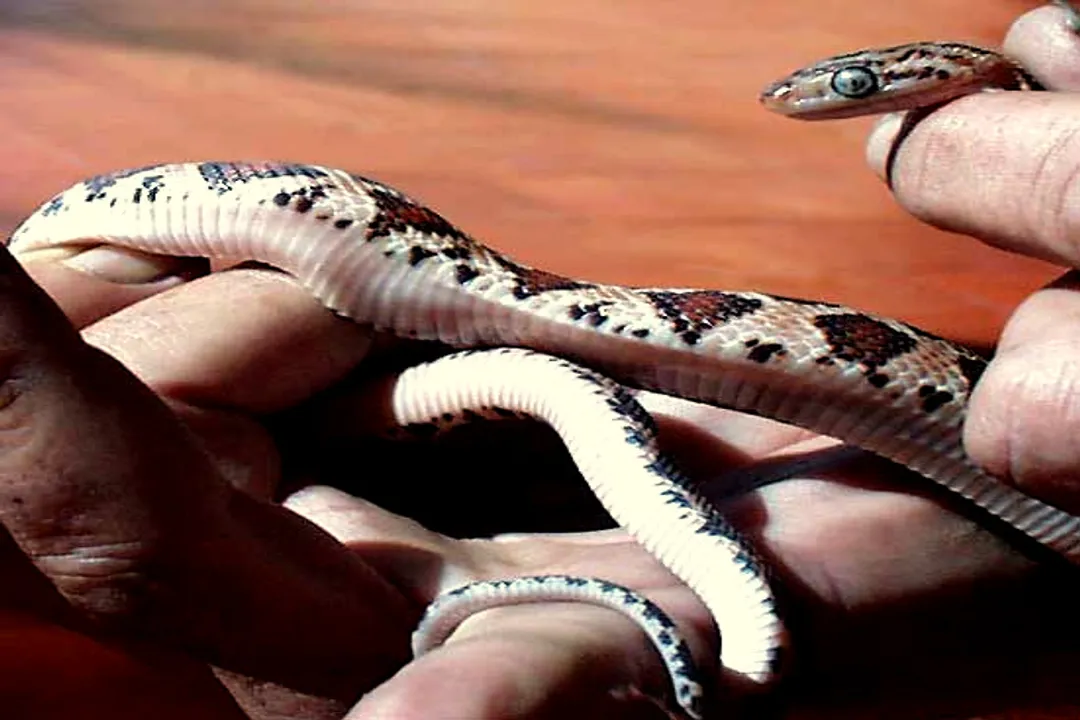
The scientific categorization of any organism follows a standardized structure, beginning broadly and narrowing down significantly. For snakes, this path moves from Kingdom down to Suborder. [5][9]
The foundational ranks are as follows:
- Kingdom: Animalia (Animals) [5]
- Phylum: Chordata (Possessing a notochord, the precursor to the backbone) [5]
- Class: Reptilia (Reptiles) [2][5]
- Order: Squamata (Scaled animals, including lizards and snakes) [1]
- Suborder: Serpentes (Snakes) [1]
It is fascinating to consider the breadth of the Class Reptilia. This class encompasses creatures with vastly different lifestyles, from the aquatic turtle to the massive crocodile and the nimble lizard. [5] Yet, snakes, despite their unique, legless morphology, share the defining physiological characteristics that place them within this ancient group. [1][5]
# Reptilian Characteristics
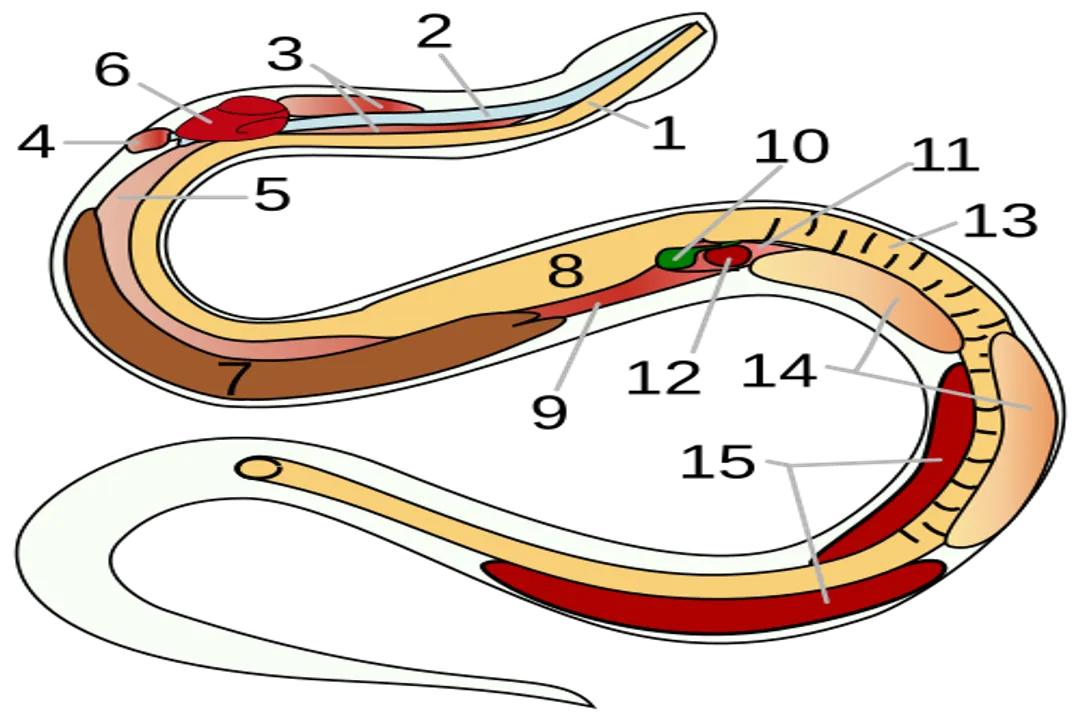
What specifically makes a snake a reptile? Several key biological traits must be present. Reptiles are fundamentally characterized by their scales, which form an outer layer of skin composed of keratin that helps prevent water loss. [1][5] Snakes possess these scales as a defining feature of their class. [8]
Another critical aspect is their respiratory and thermoregulatory systems. All reptiles, including snakes, are air-breathers, relying solely on lungs for respiration. [2][5] Furthermore, they are ectothermic, often described as cold-blooded, meaning they rely on external environmental sources—like basking in the sun—to regulate their body temperature. [5] This contrasts sharply with mammals and birds, which are endothermic.
From an evolutionary standpoint, reptiles are also known as amniotes, meaning their embryos develop within an amnion, a protective membrane, which allowed them to reproduce successfully away from water, unlike amphibians. [5] While snakes are tetrapods ancestrally, they have evolved away from having four limbs, a significant divergence within the Reptilia class. [5][1]

# Squamata Order Membership
The placement of snakes within the Order Squamata is perhaps the most interesting point of comparison for general readers. [1] Squamata is the largest order of reptiles, encompassing all lizards and snakes. [1] The term Squamata itself is descriptive, meaning "scaly ones". [1]
The evolutionary history shows that snakes diverged from lizards millions of years ago. The key morphological distinction separating the suborder Serpentes from the vast majority of the Order Squamata is the absence of limbs. [1] This loss of limbs was not just a simple amputation; it spurred deep modifications in the snake's skeletal and muscular anatomy. For instance, the loss of the sternum allowed for greater flexibility in the rib cage, which aids in their unique mode of locomotion and swallowing extremely large prey relative to their body size. [4][8] Considering how specialized the snake body plan is, it highlights that divergence within Squamata involved radical specialization rather than simple minor changes. [1]
# Serpentes Suborder
The suborder Serpentes is specifically dedicated to snakes. [1] This group is incredibly diverse, containing many families and thousands of species worldwide. [1][9] It is important to remember that "snake" refers to a large collection of species sharing that classification, not a single scientific name. [9] Any given snake will have a binomial scientific name, such as Python regius for the Royal Python, which identifies its genus and species, all nested under the broader suborder. [9]
The skin structure of snakes is a direct adaptation related to their environment and class membership. The scales are not just protective; they are essential for movement. Locomotion relies on friction generated by these scales against the substrate. [8] This reliance on surface interaction for movement contrasts with the grasping function limbs provide in other Squamates.
# Shedding Cycle
A visible aspect of being a reptile, particularly a snake, is the process of ecdysis, or shedding skin. [4] Because their scales are part of the non-living outer layer of the epidermis, they do not grow with the snake. [8] As the snake increases in size, it must periodically shed its entire outer layer to accommodate growth, a process that varies based on the snake's age and growth rate. [4] This biological necessity is a direct manifestation of their keratinized skin, a hallmark of the Reptilia class. [5] A healthy shed, or "in-the-blue" phase, indicates a successful recent molt, a good indicator of overall health that can be a useful observational tip for keepers or naturalists observing wild populations. [4]
# Evolutionary Insight on Limblessness
While the classification puts snakes squarely in Reptilia and Squamata, their limblessness provides a fascinating case study in evolutionary trade-offs. The constraints placed on the vertebral column by the loss of limbs likely influenced feeding mechanics more than locomotion initially. The ability to consume prey items much wider than the snake's head requires highly kinetic skulls and decoupled lower jaws, structures that would be functionally compromised or unnecessary in a lizard that uses its limbs for anchoring during feeding. [4] This suggests that the evolutionary pressure driving the snake body plan may have been rooted as much in securing resources as it was in locomotion itself. This adaptation demonstrates how a single loss (limbs) can result in a cascade of specialized benefits throughout the entire anatomy, solidifying Serpentes as a highly successful, distinct lineage within the broader reptile group. [1]
Related Questions
#Citations
Snake - Wikipedia
Snakes Facts and Information | United Parks & Resorts - Seaworld.org
Classification of North American Snakes - Backyard Nature
Basics of Snake Taxonomy
Reptilia (turtles, snakes, lizards, and relatives) - Animal Diversity Web
Snakes - Explore the Taxonomic Tree | FWS.gov
Snake Anatomy | Dragon Anatomy and Physiology | Dragon Science
Keep in mind snakes ARE animals. Reptiles are animals ... - Facebook
What is the Scientific Name of Snake - BYJU'S