What is the scientific name of the Great Skua?
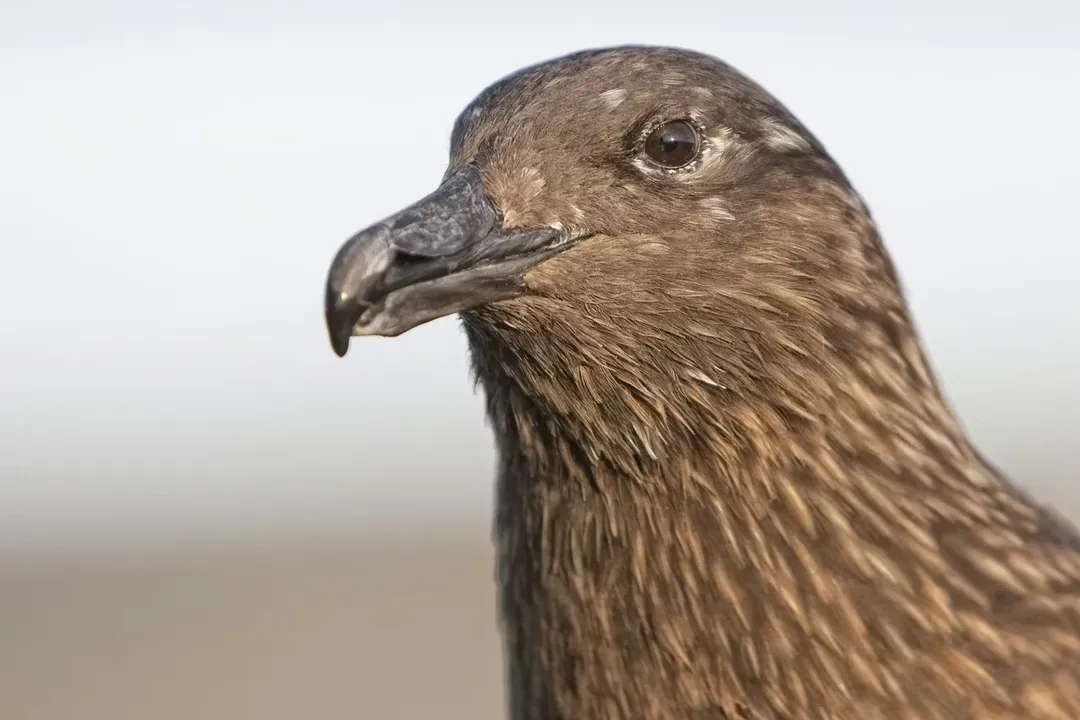
The formal scientific designation for the impressive bird commonly known as the Great Skua is Stercorarius skua. This binomial nomenclature, established through Linnaean taxonomy, serves as the universal, unambiguous label required for scientific discourse, cutting through the varied and sometimes confusing local common names used across its extensive northern range. While many people might recognize it by its regional appellations—like the Bonxie in parts of Scotland or simply as the Great Skua—it is the Latinized pairing of genus and species that allows ornithologists in Iceland, Norway, and the Falklands, for instance, to refer to the exact same creature without linguistic barrier.
# Genus Identity
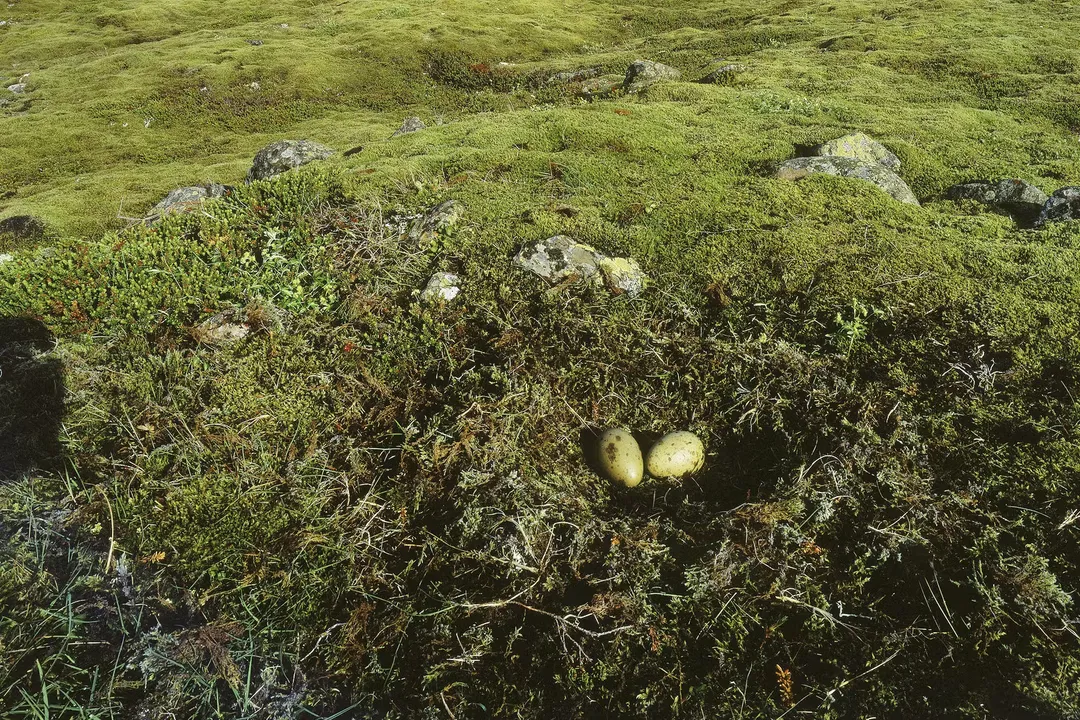
The first part of this designation, Stercorarius, defines the bird's genus. This grouping is shared with the smaller jaegers found further south, illustrating a clear evolutionary relationship among these pelagic, assertive seabirds. The meaning behind Stercorarius is quite revealing about the family's shared traits. It is derived from the Latin word stercus, which translates to 'dung' or 'excrement'. This rather unglamorous etymology stems from the group’s noted propensity for kleptoparasitism—the aggressive behavior of harassing other birds until they drop their catch, which the skua then claims. It is a direct reflection of their piratical feeding style, which is a defining characteristic across the genus, even if the Great Skua is often more capable of securing its own prey than its smaller cousins.
# Species Epithet
The second element, skua, is the species epithet, designating Stercorarius skua as distinct within its genus. This term itself is derived from the Faroese word skúgvur, which refers to the bird. While some species names might refer to color, size, or geographic origin, skua is essentially an adoption of the local vernacular into the formal scientific naming system, solidifying the term's long-standing use by those who live closest to the bird’s primary breeding grounds in the North Atlantic.
The combination Stercorarius skua therefore encapsulates both its aggressive, food-stealing nature (the genus) and its specific identity within that group (the species). This is a standard pattern in taxonomy, where the combination provides a level of specificity that the common name often lacks, particularly as common names drift across regions and language groups.

# Higher Classification
Understanding where Stercorarius skua sits on the avian tree of life provides crucial context to its scientific importance. The species belongs to the family Stercorariidae, which comprises all the skuas and jaegers. This family is nested within the much larger order Charadriiformes. This order is incredibly diverse, containing gulls, terns, wading birds, and auks. Placing the Great Skua within Charadriiformes highlights its evolutionary relationship with birds that utilize varied coastal and aquatic habitats, though the Skua has taken a highly specialized, predatory, and pelagic route within that group.
For researchers cataloging global biodiversity, knowing the scientific name is key to data management. For example, databases like the European Environment Agency's EUNIS species portal list the species formally as Stercorarius skua. This adherence to the Linnaean system ensures that population trends, migratory patterns, and conservation statuses can be accurately aggregated across international research efforts, regardless of the bird's local moniker.
# Distinguishing Relatives
The Stercorarius genus includes several other species, which can sometimes cause confusion if one is only familiar with the common names. For instance, the Arctic Skua (Stercorarius parasiticus) and the Long-tailed Skua (Stercorarius longicaudus) are much smaller relatives.
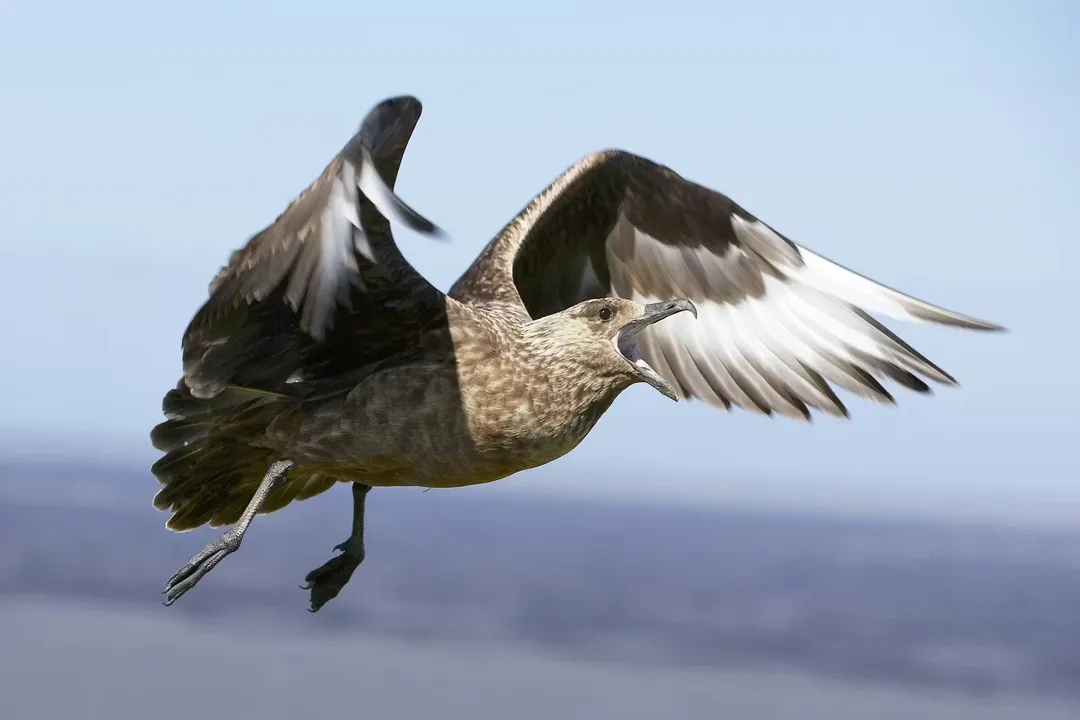
The Great Skua, however, is the largest of the three species found in the North Atlantic. It is often characterized by its bulky build, powerful flight, and the distinctive pale base to its primary wing feathers, often described as 'flashes,' which are visible in flight.
When studying the taxonomy, one might observe subtle differences in how various authorities choose to lump or split species. In the case of S. skua, the name has remained stable across many major recent authorities, suggesting a robust, long-recognized species identity compared to groups where taxonomy is frequently debated.
Table 1: Comparison of Key Skua Genera Members
| Feature | Great Skua | Arctic Skua (Jaeger) | Long-tailed Skua (Jaeger) |
|---|---|---|---|
| Scientific Name | Stercorarius skua | Stercorarius parasiticus | Stercorarius longicaudus |
| Size | Largest | Medium | Smallest |
| Breeding Range | North Atlantic | Northern Hemisphere | Northern Hemisphere |
| Behavior Note | Powerful, heavy-bodied pirate | More reliant on harassing others | Primarily aerial pirate |
| Citation Basis |
The very existence of the scientific name allows for this clear, structured comparison, which would be much muddier if one relied only on common names that shift from 'Skua' to 'Jaeger' depending on which side of the Atlantic one is discussing.
# Scientific Precision in Research Contexts
Knowing the precise scientific designation of Stercorarius skua is more than just an academic exercise; it has practical implications for anyone involved in ornithological fieldwork or conservation tracking. For example, when reviewing long-term studies on North Atlantic seabird populations, such as those conducted by the British Trust for Ornithology (BTO), researchers rely on consistent nomenclature to aggregate decades of sighting and breeding data. If a researcher in the Shetland Islands records data on "Bonxies" but fails to cross-reference this with the accepted scientific classification, their data might be difficult to integrate with a Norwegian study labeling the same species S. skua.
Imagine a scenario where a conservation project aims to map the overlap between fishing vessel routes and Skua feeding grounds. If the project database uses only common names, an accidental data entry—perhaps inputting 'Arctic Skua' instead of 'Great Skua' for a large individual observed harassing a fishing boat—could skew the risk assessment models entirely, as the two species have different dietary preferences and flight paths. The double-barrelled scientific name acts as a necessary digital fingerprint. If you are inputting observations into a citizen science portal, such as iNaturalist, selecting the taxon Stercorarius skua locks in that specific species identification for the global record.
This reliance on precision is fascinating when considering how the name itself reflects behavior. Because the genus name Stercorarius relates to dung due to kleptoparasitism, it suggests that early classifiers observed this feeding method as the most notable, defining action of the group, perhaps even more so than their physical attributes or sheer size. One can easily picture an early naturalist observing a Great Skua chasing a gull relentlessly for a single fish and deciding that this predatory audacity was the key feature worthy of naming the entire group after its association with "wasteful" or aggressive food acquisition.
# Regional Identity Versus Global Label
In places like Iceland, the Great Skua is a significant and locally recognized bird, often breeding in large colonies. The Icelandic name, hvítmáfur (which translates roughly to white gull, perhaps referring to the white flashes on the wing, though this requires external knowledge not explicitly provided), coexists with the scientific Stercorarius skua. Similarly, in Scotland, it's the Bonxie, a name carrying local cultural weight. This divergence between local vernacular and international scientific label is a universal feature of ornithology.
Consider the sheer geographical range: Great Skuas breed across the northern hemisphere—from Iceland, Scandinavia, and the UK to Russia—and many migrate south to spend winters off the coasts of Africa and South America. A bird banded in the Faroes might be tracked by researchers in the coastal waters off Namibia. The only practical way to ensure the data point in Namibia accurately reflects the individual that left the Faroes colony is through the use of Stercorarius skua. This continuity is the single greatest value proposition of the scientific naming system, far outweighing the slight awkwardness of the genus name's Latin root.
It is interesting to note that while the species name skua is derived from a local term, the genus name Stercorarius is entirely descriptive, based on observed behavior. This combination of indigenous naming (species) and Latin description (genus) provides a dual-layered understanding of the bird's history and natural history, something less common in bird taxonomy where many species names are purely descriptive or honorific.

# Implications for Conservation Status
The clarity provided by Stercorarius skua directly impacts conservation efforts. Listing bodies, such as the IUCN Red List or national environmental agencies, rely exclusively on this scientific designation to track populations. For instance, while local sightings of the Great Skua might fluctuate year to year in a specific bay, conservationists need to know if S. skua populations globally are stable, declining, or increasing. BirdLife International data, for example, is indexed using this formal name, allowing monitoring of the species' threat level across its range, which spans continents. Knowing the specific name helps differentiate conservation priorities between this large species and its smaller relatives, which might face different pressures, such as varying degrees of fishing competition or different predator loads at their breeding sites.
For those interested in the bird's ecology, recognizing the species as Stercorarius skua immediately signals its role as a top-level avian predator in its marine environment, capable of dominating other seabirds. Its bulk and aggressive nature, tied to the Stercorarius lineage, mean it exerts a significant top-down influence on smaller bird colonies where it nests. Understanding this ecological function requires accurate species identification, which the scientific name guarantees.
In summary, the scientific name of the Great Skua is Stercorarius skua. This label is more than just a label; it is a key that unlocks global scientific data, embeds the bird within its evolutionary family (Stercorariidae, Charadriiformes), and preserves a dual history reflecting both its local identity (skua) and its audacious feeding habits (Stercorarius).
Related Questions
#Citations
Great skua - Wikipedia
Great Skua - Stercorarius skua - Birds of the World
Great Skua (Stercorarius skua) - iNaturalist
The Great Skua, a Seafarer of Arctic Waters - Perlan
Stercorarius skua (Great Skua) - Avibase
Great skua | Scottish Wildlife Trust
Great Skua - BTO
Great Skua | NatureSpot
Great skua | Surrey Wildlife Trust
Great Skua - Stercorarius skua - (Brünnich, 1764) - EUNIS