Is lamprey a scientific name?
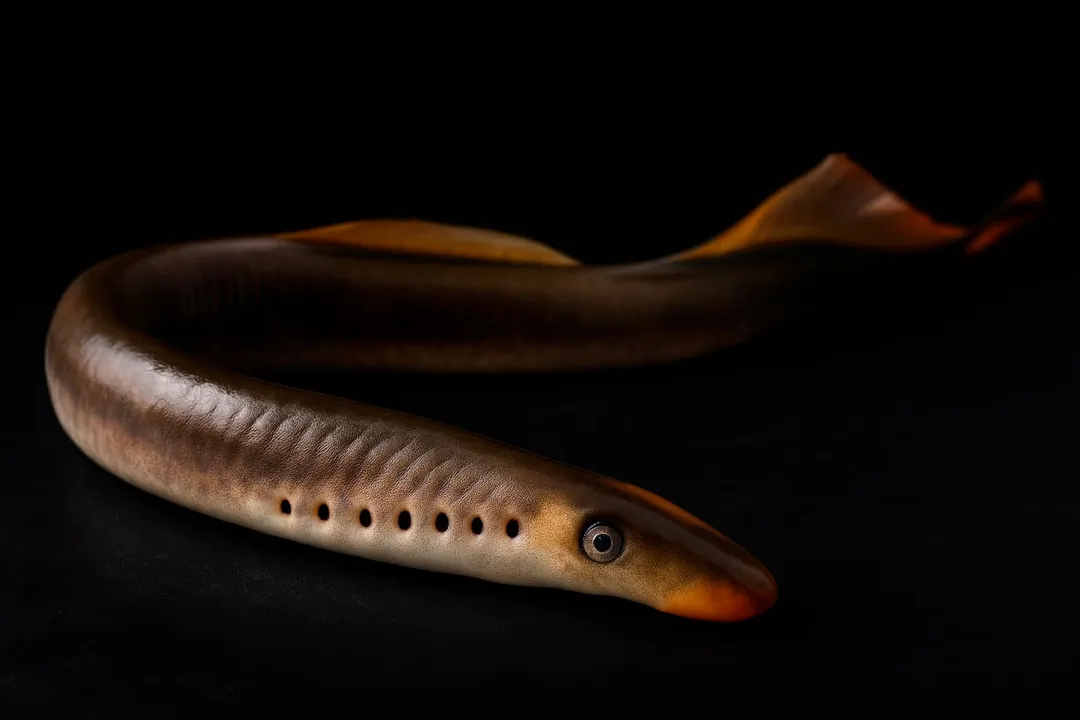
The term "lamprey" itself is a common name, a word used broadly to describe a group of ancient, jawless aquatic creatures belonging to the class Cephalaspidomorphi. [1][10] When seeking a precise scientific name, one must look deeper into the Linnaean system of classification, as "lamprey" denotes an entire order, Petromyzontiformes. [1] This distinction is crucial because, much like how "bird" is a general term but "American Robin" (Turdus migratorius) is specific, "lamprey" covers many species, some native, some invasive, and some rare. [1][10]
# Nomenclature Structure
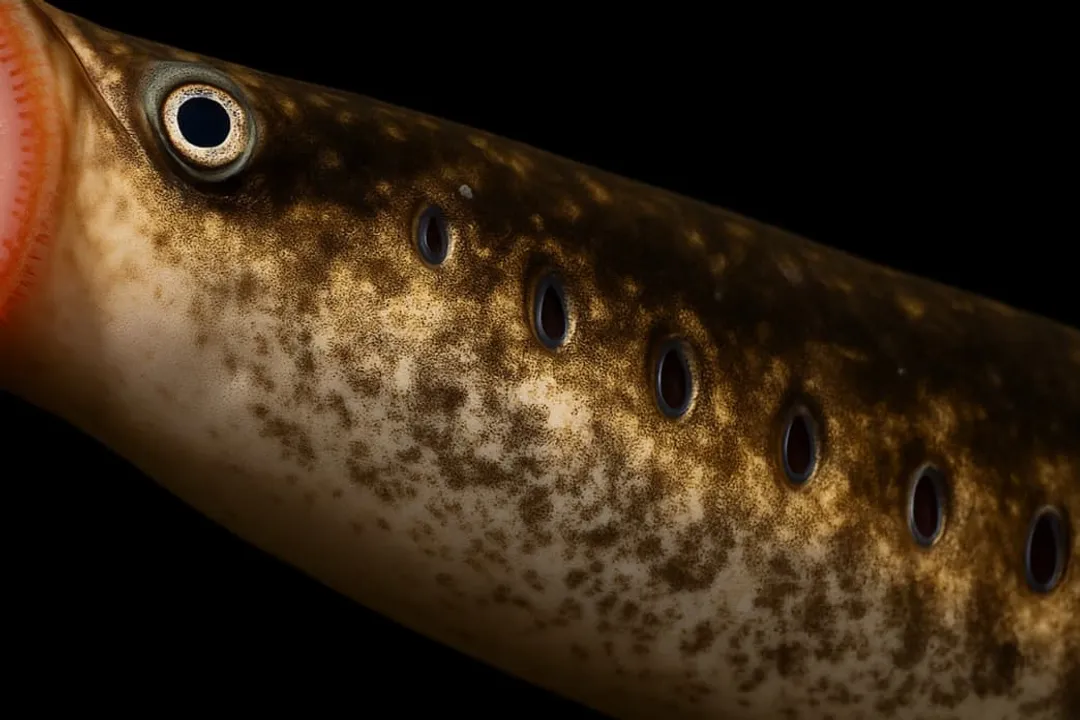
In the formal language of biology, scientific names adhere to binomial nomenclature, consisting of a genus and a species epithet, both italicized. [1] The most frequently discussed species, often due to its ecological impact, is the Sea Lamprey, whose scientific designation is Petromyzon marinus. [2][6][9] Breaking down this Latin phrase gives us immediate insight into the creature; Petromyzon translates roughly to "sucking fish," and marinus means "of the sea". [2] This naming convention isn't arbitrary; it directly describes the animal's most notable features—its lack of jaws and its reliance on suction to attach to prey or surfaces. [1][2]
Contrast this precision with the common usage. A fisherman in Arkansas might refer to a native species like the Southern Brook Lamprey, while a government biologist managing the Great Lakes refers to the Sea Lamprey. [10][4] Both are lampreys, but their scientific classifications differ at the species level. While the Sea Lamprey is Petromyzon marinus, other lampreys exist, such as the American Brook Lamprey (Lethenteron camtschaticum) or the Chocolate Lamprey (Myxine glutinosa) in other contexts, though the structure remains consistent: Genus followed by species. [1] The very existence of these separate, specific names confirms that the general term "lamprey" is not a scientific name itself but a placeholder for a diverse group of jawless organisms. [1]
To better appreciate the scientific placement, consider where lampreys sit relative to other aquatic life. They are not classified with true fish (Osteichthyes or bony fish) but belong to the most primitive group of living vertebrates. [1]
| Classification Rank | Lamprey Example (P. marinus) | Common Bony Fish (e.g., Trout) | Significance |
|---|---|---|---|
| Class | Cephalaspidomorphi | Actinopterygii | Jawless vs. Jawed |
| Order | Petromyzontiformes | Salmoniformes | Primitive vs. Advanced Ray-Finned |
| Family | Petromyzontidae | Salmonidae | Distinct evolutionary lines [1] |
This structural difference underscores why precise scientific names are necessary: the common term "fish" is too broad when discussing an organism that diverged from jawed vertebrates millions of years ago. [1]
# Jawless Anatomy

The anatomy of the lamprey is what truly sets it apart and justifies its separate taxonomic grouping. [1] Lacking the hinged jaws that characterize nearly all other fish, lampreys possess a rasping, sucking oral disc used for feeding. [2][4] This disc is lined with horny teeth, which they use to bore into the flesh of their hosts. [1] This mechanism allows species like P. marinus to latch onto larger fish, such as lake trout or salmon, where they feed on blood and bodily fluids. [2][3]
The Sea Lamprey’s life cycle often involves a significant migratory phase. After hatching in freshwater streams, they spend several years as filter-feeding larvae, sometimes called ammocoetes, before metamorphosing into the parasitic adult form. [1][2] This larval stage is fascinating; it involves burrowing into the sediment and straining food particles from the water, a process entirely different from the adult's predatory lifestyle. [6] The sheer adaptability across these life stages—from sedentary filter-feeder to aggressive parasite—is remarkable, especially considering their primitive skeletal structure, which is composed primarily of cartilage. [1] When we consider the specialized attachment mechanism, it becomes clear that the scientific classification reflects a deep divergence in evolutionary strategy. [1]

# Great Lakes Threat
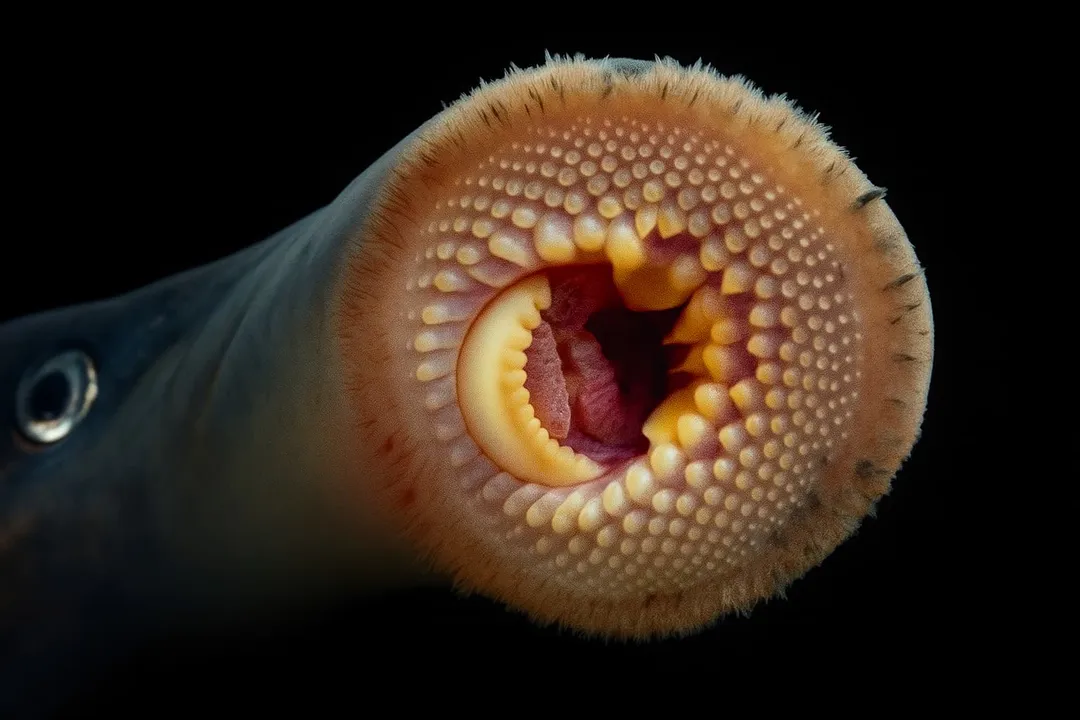
While many lamprey species exist globally, the narrative surrounding the lamprey in North America is often dominated by the destructive presence of the invasive Sea Lamprey in the Great Lakes region. [3][4] Introduced accidentally, likely via shipping canals, the Sea Lamprey found an environment rich in large, unprotected fish populations. [3] Prior to effective control measures, the impact was devastating, leading to sharp declines in commercial and recreational fish stocks. [3]
The efficacy of control programs showcases the dedication required to manage a single invasive scientific name. Agencies coordinate efforts to control the reproducing adults and larvae using specialized toxicants called lampricides, such as TFM (3-trifluoromethyl-4-nitrophenol). [3][4] This management strategy targets the species Petromyzon marinus specifically, often applying the chemical only to known lamprey spawning streams to minimize broader ecosystem disruption. [3] It is an expensive, ongoing endeavor, demonstrating the ecological and economic weight carried by the introduction of just one non-native species identified by its scientific name. [4] The historical context here is sharp: before the 1950s, lamprey control was non-existent, and population spikes were catastrophic. [3] Today, lamprey populations are kept generally below damaging levels in many areas, but constant vigilance is required because of their successful reproduction in various tributaries. [3][4]
# Declining Populations
It is important to remember that not all lampreys are invaders causing ecological havoc. Many species are native to their environments, and some face conservation challenges themselves. [9] For instance, the OSPAR Convention area (which covers the North-East Atlantic) lists the European Sea Lamprey (Petromyzon marinus) as a species of concern due to significant declines in abundance and a fragmented distribution. [9] This highlights a critical divergence in how a single scientific name, Petromyzon marinus, can be viewed differently depending on the geography: as a pest in the Great Lakes, and as a threatened native species in parts of Europe. [9]
In places like Arkansas, several species of lampreys are native, and though they may be overlooked or misunderstood by the general public, they are integral parts of the local aquatic communities. [10] These native forms often have different feeding strategies or life histories; some species may not even develop the parasitic adult stage, instead relying on their small, non-feeding larval stage for reproduction, or exhibiting dwarf parasitic adults. [1][10] Recognizing the scientific name allows conservationists to focus protection efforts on the species genuinely at risk, rather than grouping all lampreys together under the umbrella of the common name. [9]
# Edible History
Beyond their biological and ecological roles, lampreys have a long history in human consumption in certain regions, underscoring a different kind of human interaction with the creature. [5] In parts of Europe, such as France (where they are called lamproie) and Portugal, lampreys have been considered a delicacy for centuries. [5] Often prepared in rich, savory sauces, they represent a cultural connection distinct from their modern identity as invasive pests in North America. [5] This culinary heritage means that in historical contexts, the name refers to a prized food source rather than solely a biological anomaly or a threat to commercial fisheries. [5] It serves as a reminder that context completely changes the perception of any organism, scientific name or common name notwithstanding. [1]
Understanding whether "lamprey" is a scientific name requires understanding hierarchy. It is the common moniker for a primitive order of vertebrates, Petromyzontiformes. [1] The true scientific identifier, such as Petromyzon marinus, locks the creature into its specific evolutionary slot, distinguishing it from its many relatives and allowing scientists, managers, and consumers to apply precise, verifiable information about its biology, history, and ecological status. [1][2][9]
Related Questions
#Citations
Lamprey - Wikipedia
Sea Lamprey (Petromyzon marinus) | U.S. Fish & Wildlife Service
Sea Lamprey - Great Lakes Fishery Commission
Sea Lamprey | National Invasive Species Information Center
Lamprey - What it is, Characteristics and Properties | Dolphin Wiki
Sea Lamprey - NC Wildlife
[PDF] Lampreys (Petromyzontidae) - IN.gov
Sea Lamprey | Marine Biological Laboratory
Sea lamprey - OSPAR Commission
Lampreys - Encyclopedia of Arkansas