What is the scientific name for the emerald skeleton tarantula?
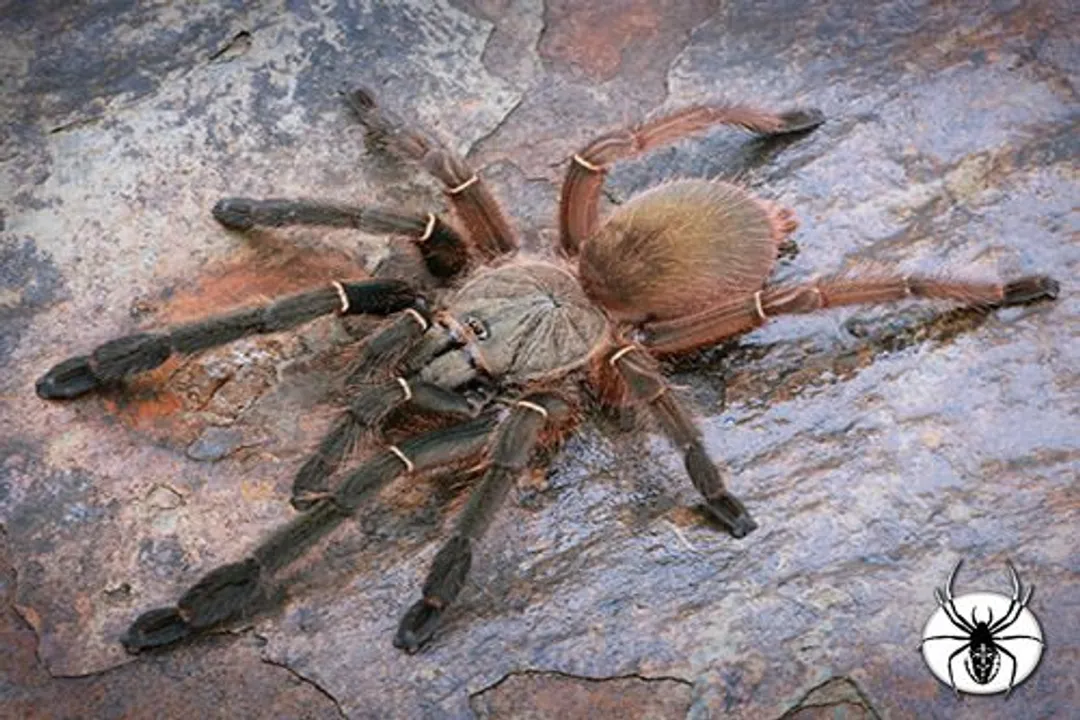
The common name, emerald skeleton tarantula, often sparks curiosity among arachnid enthusiasts, leading many to seek out its proper scientific identifier. That definitive label is Ephebopus uatuman. This particular species holds a distinct place in the world of tarantula keeping and study, partially due to its striking appearance and somewhat reclusive nature. While some might encounter vendors using slightly different spellings, such as Ephebopus eatuman in product listings, the accepted scientific designation remains E. uatuman.
# Classification Grouping
Understanding the scientific name means looking at its placement within the arachnid family tree. The species belongs to the genus Ephebopus, which is part of the subfamily Psalmopoeinae. This classification immediately tells experienced keepers something important about the spider's general lifestyle, as Psalmopoeinae spiders often exhibit fossorial or semi-fossorial habits, meaning they spend a significant amount of time burrowing or residing in deep retreats.
For those new to the hobby, realizing a tarantula belongs to the Ephebopus genus, rather than the more commonly kept Avicularia or Grammostola, signals a need for different husbandry practices. For instance, while many keepers associate Psalmopoeinae with arboreal life, the Ephebopus genus, particularly species like E. uatuman, tend to lean towards terrestrial or semi-fossorial behaviors, often utilizing silk-lined tube retreats near ground level rather than building extensive webs high in a tree. A common pitfall for beginners accustomed to large, display-oriented terrestrial species is underestimating the need for adequate substrate depth for a species like this, which naturally seeks secure, dark, and often deep hides. It's a subtle but crucial difference: expecting a classic "ground spider" might lead a keeper to provide shallow setups, while the Ephebopus genus often thrives when given the opportunity to create a vertical burrow system.
# Naming Origins
The binomial nomenclature, Ephebopus uatuman, is composed of the genus name and the species epithet. The genus name, Ephebopus, connects it with other species sharing similar physical traits within that grouping. The specific epithet, uatuman, is tied directly to the spider's geographic origin. These tarantulas are native to the rainforests of Brazil. The name uatuman itself is often derived from local indigenous languages, reflecting the region where the species was first documented or is most commonly found.
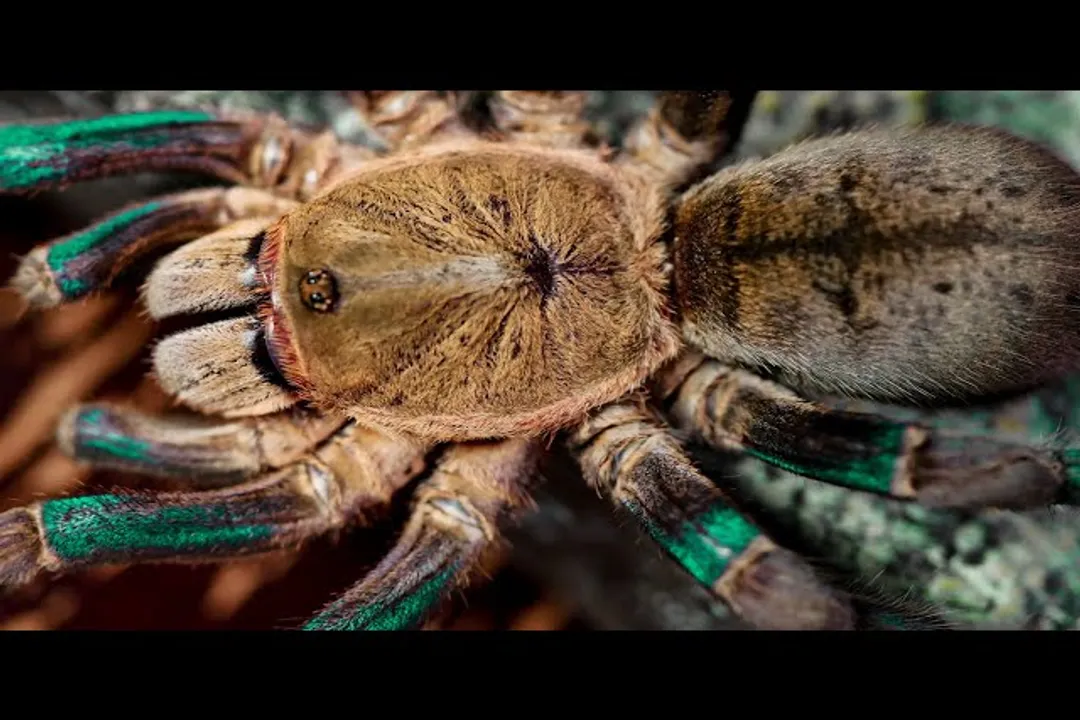
While the specific meaning of uatuman is rooted in its locality, the common name, "emerald skeleton tarantula," provides a visual description that captivates potential keepers. The "skeleton" aspect refers to the distinct markings often visible on the legs and body, creating a high-contrast pattern. The "emerald" descriptor points to the often brilliant, iridescent green or blue-green coloration, particularly on the carapace, which contrasts sharply with the darker body segments. It is this specific color palette that sets it apart from other species, even within its own genus, such as the Ephebopus murinus, often called the skeleton tarantula, which typically lacks that vivid green saturation.
# Appearance and Visual Appeal
The appeal of E. uatuman stems almost entirely from its striking coloration, which is more pronounced than in some closely related species. The contrast between the dark, almost black abdomen and legs, overlaid with those bright green highlights, makes it a visually arresting specimen. This visual signature is why keepers often pair this name with mentions of vibrant colors, sometimes even leading to confusion with other brightly colored spiders, such as the Purple Starburst Tarantula, which shares the bold contrast aesthetic but belongs to a different genus entirely.
Observing these spiders, especially when they are mature, reveals a creature whose morphology is adapted to its environment. When they feel secure, their colors are most vivid, but like many tarantulas, their mood or perceived threat level can influence how much of that color is actively displayed. For instance, a stressed individual might pull its legs in tightly, obscuring the "skeleton" pattern, or appear generally duller until it settles into a new enclosure.
# Habitat Context
Knowing the scientific name is only the first step for anyone considering keeping this species; understanding its native environment provides crucial context for successful captive care. As a Brazilian native, E. uatuman originates from the tropical regions of South America. This habitat implies high humidity and consistent, warm temperatures, which are non-negotiable requirements for its well-being.
A useful mental model for keepers is to consider the substrate as not just bedding, but as a structural element. In the wild, these spiders are noted for creating silken tunnels. Replicating this means providing several inches of substrate—perhaps six to eight inches, depending on the spider's size—so that the tarantula can construct the deep, vertical retreat it naturally seeks. A common mistake observed in hobbyist forums is placing adult females in enclosures that are too shallow, forcing them to remain in the open or in poorly constructed surface hides, leading to stress. Unlike some of the free-roaming desert species, the Ephebopus thrives when it feels securely hidden underground.

# Sex and Size Differences
As with many tarantula species, there are observable differences between the sexes, which influences what a keeper might expect from a purchase identified as Ephebopus uatuman. While a source might list a general size range, mature males often look quite different from mature females. Males, which typically have shorter lifespans after reaching maturity, may possess a more slender build and sometimes display slightly less intense coloration compared to the stout, larger females. If purchasing a juvenile, determining the sex can be difficult without clear knowledge of the species' specific morphology, but often vendor listings will specify sex, particularly for adults ready for breeding or those being sold as pets (where females are usually preferred for longevity).
It is worth noting that the term "skeleton tarantula" is sometimes applied broadly. To differentiate, keepers rely heavily on the specific epithet. If one is seeking the emerald variant, confirming the E. uatuman name is essential to avoid accidentally acquiring a different, perhaps less vibrantly colored, Ephebopus species, such as the common E. murinus. This level of specificity in nomenclature directly correlates to the visual expectations a keeper has for their collection.
#Videos
Ephebopus uatuman "emerald skeleton tarantula" from ... - YouTube
Related Questions
#Citations
Ephebopus uatuman young juvenile(Emerald Skeleton Leg ...
Ephebopus uatuman "emerald skeleton tarantula" from ... - YouTube
Ephebopus uatuman (Emerald Skeleton) - Tarantupedia
Emerald Skeleton Tarantula (Ephebopus uatuman) - iNaturalist
Skeleton Tarantula - What is It? Are They Dangerous? What You ...
Hallow, my Ephebopus uatuman (Emerald Skeleton Tarantula!)
Anyone know anythin on these Ephebopus Uatumun? - Kunena
Ephebopus uatuman (Emerald Skeleton) 0.75 - Spider Shoppe