What is the scientific name for a moose?
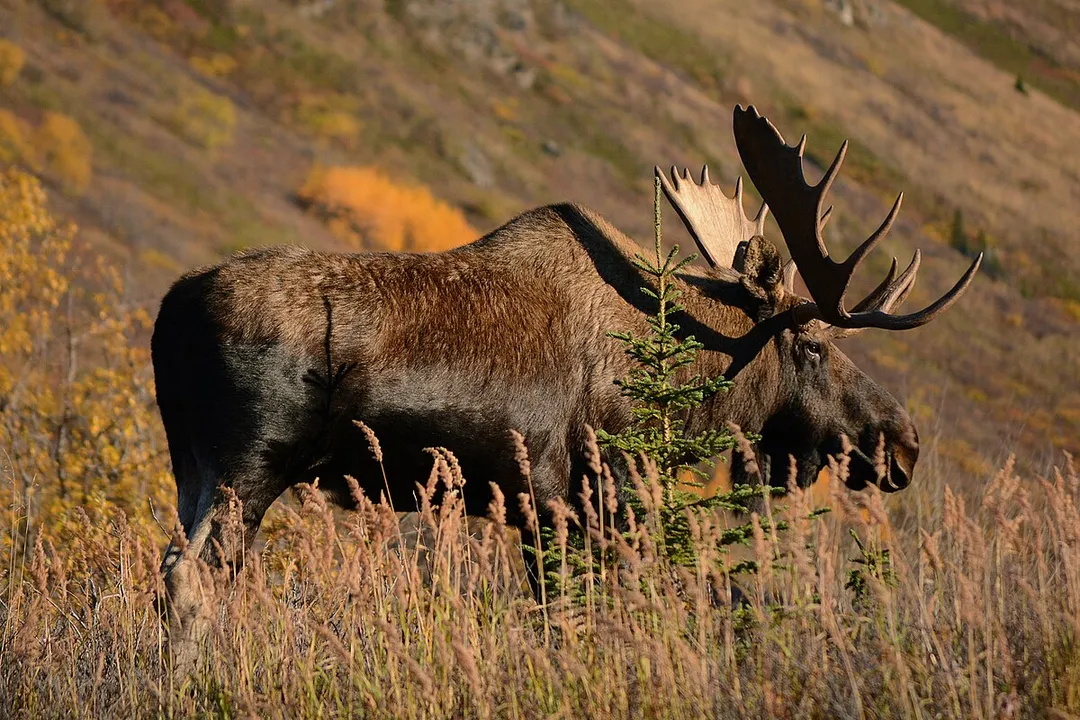
The formal designation for the creature we commonly call a moose, the largest member of the deer family, is Alces alces. This binomial nomenclature is the universal language biologists use to classify this magnificent animal, ensuring clarity whether the discussion takes place in the boreal forests of North America or across the Eurasian taiga. In North America, this animal is often known by various common names depending on the region, such as the Shiras moose in the southern Rockies, or simply the Alaskan moose. Despite the local variations in speech, the Linnaean classification remains fixed for broad scientific agreement.
# Genus and Species
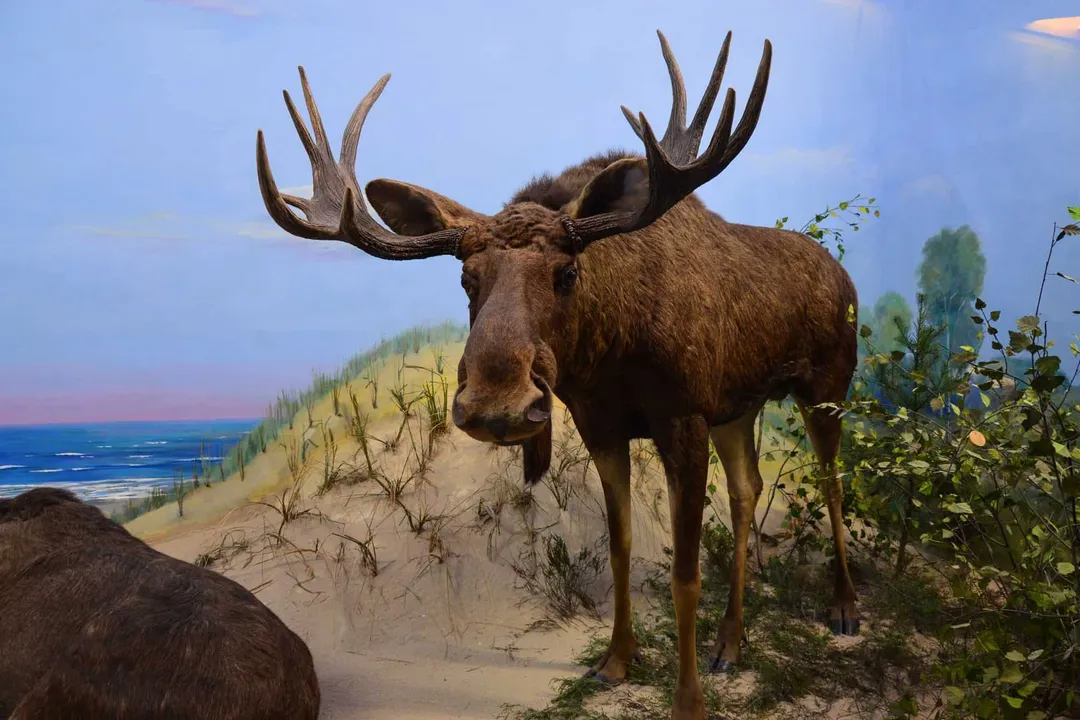
The genus name for the moose is Alces. This designation places it firmly within the Cervidae family, though it is the only extant species classified within the Alces genus. The species epithet is alces. The name itself, Alces alces, carries a weight of established recognition within zoology, classifying the animal based on its shared evolutionary lineage and characteristics. While some regional distinctions exist, the global scientific consensus relies on this specific pairing.
# Continental Names
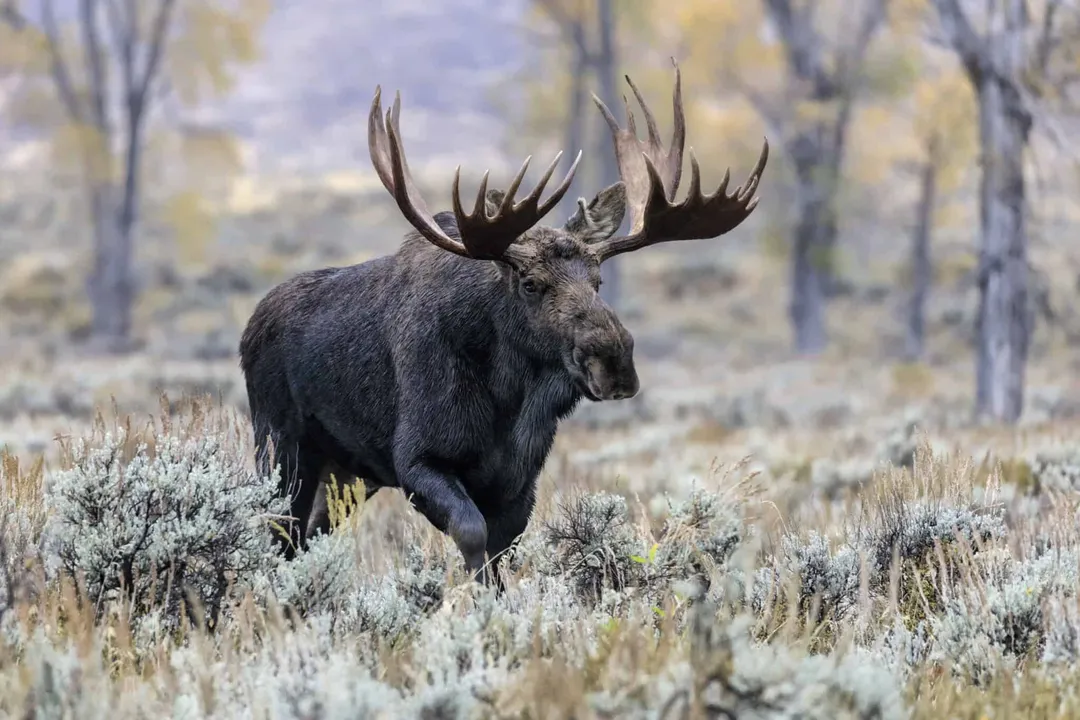
A point of ongoing discussion in taxonomy relates to the specific subspecies or even species designation depending on geographic separation. Historically, North American moose were sometimes identified separately from their Eurasian counterparts, leading to the use of Alces americanus in some older or regional contexts, particularly in Alaska. However, many authorities currently classify the North American population as a subspecies of the Eurasian moose, rendering it Alces alces americanus. This taxonomic adjustment—moving from distinct species to subspecies—often reflects a deeper understanding of genetic flow or morphological similarity discovered through modern research. For the general reader or field biologist, recognizing that Alces alces is the overarching species name remains the most practical standard, even as regional populations exhibit distinct characteristics warranting subspecific labels. When Colorado reintroduced moose, for instance, the animals stocked were the subspecies Alces alces shirasi.
# Physical Stature
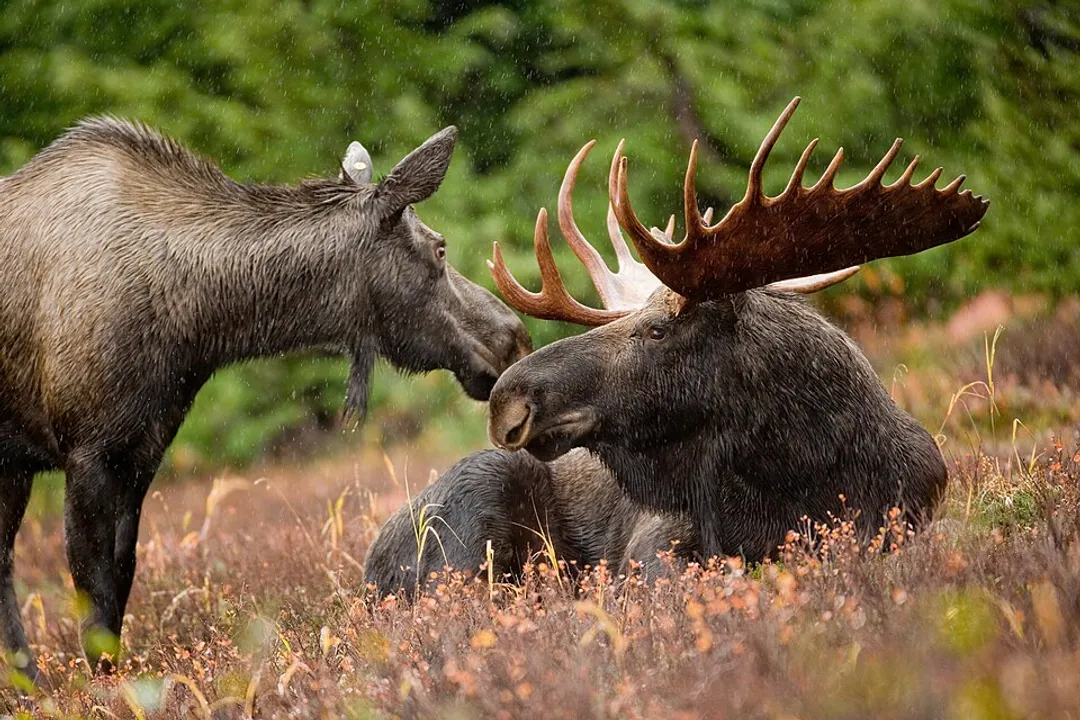
Understanding the scientific name is best complemented by appreciating the sheer scale of the animal it describes. Moose are the tallest deer species globally. Adult males, or bulls, can stand between 5 and 7 feet tall at the shoulder. They are immense animals, with the largest males in North America sometimes tipping the scales past 1,500 pounds. Cows, the females, are smaller but still substantial, often weighing between 800 and 1,300 pounds. Their defining feature, the broad, palmate antlers on the males, can span up to 6 feet across. These antlers are shed annually.
To put this size into perspective relative to related classifications, consider how its weight compares to other large Cervids. While the Elk (Cervus canadensis) is also large, a typical large bull moose significantly outweighs even the largest bull Elk, often by several hundred pounds. This pronounced difference in mass, locomotion style, and specialized habitat use (favoring swampy areas and dense cover) is what helped solidify Alces as its own distinct genus rather than being lumped into Cervus.
| Region/Subspecies | Typical Shoulder Height (Feet) | Approximate Max Weight (Lbs) | Primary Classification |
|---|---|---|---|
| North America (General) | 5–7 | 1,500+ | Alces alces |
| Eurasian Moose | 5–6.5 | Varies, often slightly less massive | Alces alces |
| Shiras Moose | Generally smaller stature | Less than 1,300 | Alces alces shirasi |
This table illustrates that while the species name Alces alces ties them together, the localized management of subspecies like shirasi acknowledges measurable biological variation tied to environment.
# Habitat and Behavior
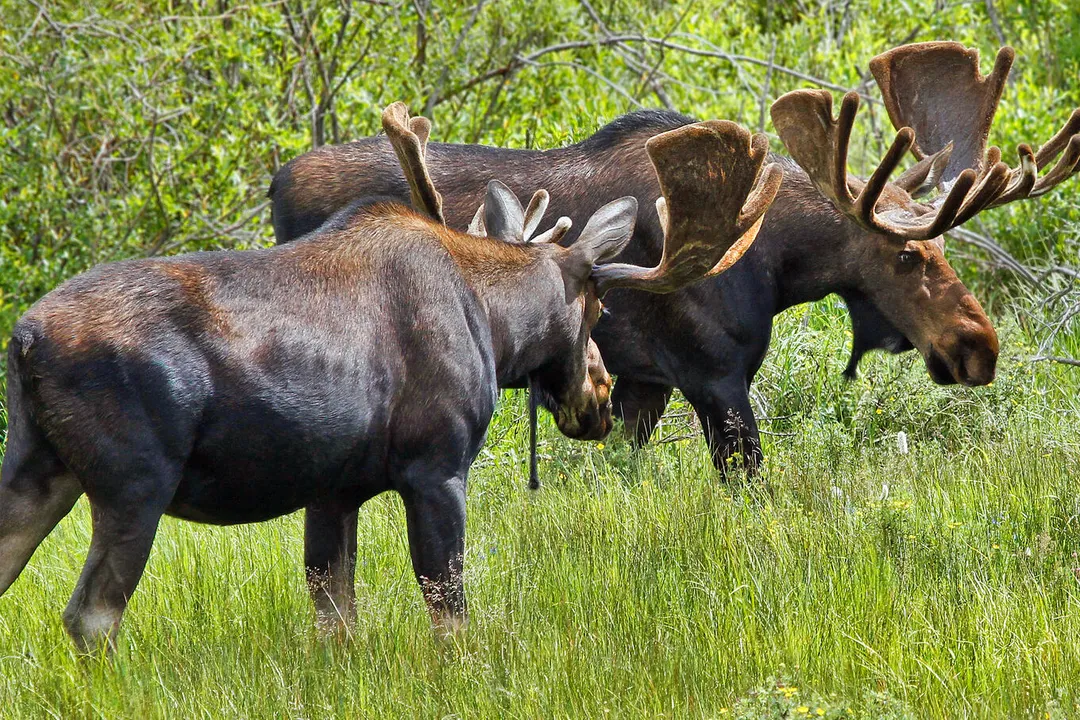
Moose thrive in northern latitudes across North America and Eurasia. They prefer transitional zones—the edges where forests meet wetlands, streams, or open areas. In Maine, for instance, moose are associated with mixed wood/conifer forests and shrubby openings, often near water sources for foraging and escaping heat. They are excellent swimmers, capable of diving to feed on submerged aquatic vegetation, which is a critical part of their summer diet.
The winter survival of the moose is heavily dependent on available browse—twigs and buds from woody plants. Their immense size acts as an advantage in deep snow, allowing them to move through drifts that would stall smaller ungulates, although extremely deep or crusted snow can still pose a significant challenge.
The scientific community tracks moose populations closely, partly due to their importance as a majestic symbol of northern wilderness and partly due to conservation needs. Their distribution is often tracked via monitoring systems tied to their fundamental biological requirements, which are encapsulated by their scientific name. For instance, monitoring programs in places like Colorado, where moose were intentionally transplanted, focus intensely on survival rates and calf recruitment, confirming the species' continued establishment in new, suitable habitats.

# Population Monitoring
The scientific designation is crucial for tracking global population health. According to NatureServe, the element occurrence rank for Alces alces is generally considered Secure globally, although this status is built upon regional assessments which can vary. In some specific regions, population numbers may be less certain or facing localized threats, necessitating stricter management. For example, in British Columbia, maintaining the health of moose populations is important for ecological balance and cultural reasons.
When scientists study the impact of climate change or habitat fragmentation on these massive herbivores, using Alces alces ensures that the data collected from Canadian park systems can be directly compared to studies conducted in Scandinavian countries or Russia. The standardization provided by the binomial name cuts through the dozens of common names that might otherwise complicate international conservation reporting. It's fascinating to observe how profoundly the biological identity, encapsulated in those two Latin words, dictates the entire approach to managing their presence across such vastly different political and ecological landscapes.
Thinking about how this name functions in practice, it’s interesting to note that the conservation status reporting relies on aggregation. If a researcher in Sweden is documenting Alces alces mortality due to road collisions and a researcher in Alaska is tracking Alces alces americanus calving rates, the alces designation allows their data sets to be merged for a high-level view of species resilience—a function that regional common names could never reliably achieve. This standardization is particularly valuable when considering large migratory paths or shared evolutionary pressures across continents.
# Insight on Naming Convention Value
It is often assumed that the scientific name is merely an academic label, but for the moose, Alces alces carries inherent ecological information based on its broader context within the deer family. Unlike some species where the binomial name is relatively arbitrary, the genus Alces represents a distinct evolutionary branch characterized by specialized adaptations for cold, wet, forested environments and possessing those unique, broad palmate antlers, separating them clearly from the branched antlers of Odocoileus (like white-tailed deer) or Cervus (elk). Therefore, simply knowing the name Alces alces tells an experienced biologist immediately that they are dealing with a massive, dark-coated ungulate dependent on wetlands and capable of traversing deep snow, summarizing key life history traits that a common name like "moose" might not instantly convey to someone unfamiliar with the animal.
# Management and Management Zones
In the United States, wildlife agencies manage moose at the state level, often aligning management boundaries with ecological zones that often mirror subspecies distributions. For example, the management approach in Colorado, which deals with reintroduced shirasi moose, differs slightly from the long-established programs in Maine or Alaska due to differing historical contexts and population densities. The continued use of Alces alces as the umbrella term allows these agencies to communicate regulatory needs or research findings internationally, for instance, when discussing shared threats like brainworm transmission from white-tailed deer, a parasite that impacts Alces alces severely. The scientific classification provides the necessary baseline for this cross-jurisdictional exchange of crucial management knowledge.
# A Note on Adaptability
Despite their massive size, moose exhibit surprising adaptability when the habitat allows. While strongly associated with the far northern boreal forests, populations have successfully established themselves in areas like the Southern Rocky Mountains in Colorado following reintroduction efforts, an area that sits at the southern edge of what was traditionally considered prime habitat. This resilience, however, is tightly capped by thermal tolerance; moose are highly susceptible to heat stress, meaning their range extension is limited by summer temperatures more than by winter cold. Understanding the species as Alces alces forces researchers to look at physiological constraints common to the entire group, rather than just localized common knowledge about 'the local moose'.
Related Questions
#Citations
Moose - Wikipedia
Alces alces - NatureServe Explorer
Alces alces (Moose) | Idaho Fish and Game Species Catalog
Moose - Alces americanus - New Hampshire PBS
Moose: Mammals: Species Information: Wildlife - Maine.gov
Moose Fact Sheet - Alaska Native Knowledge Network
Interesting Facts About Moose - Visit Big Sky
Alces alces Moose - Species Summary
Moose - Colorado Parks and Wildlife
Moose Animal Facts - Alces alces - A-Z Animals