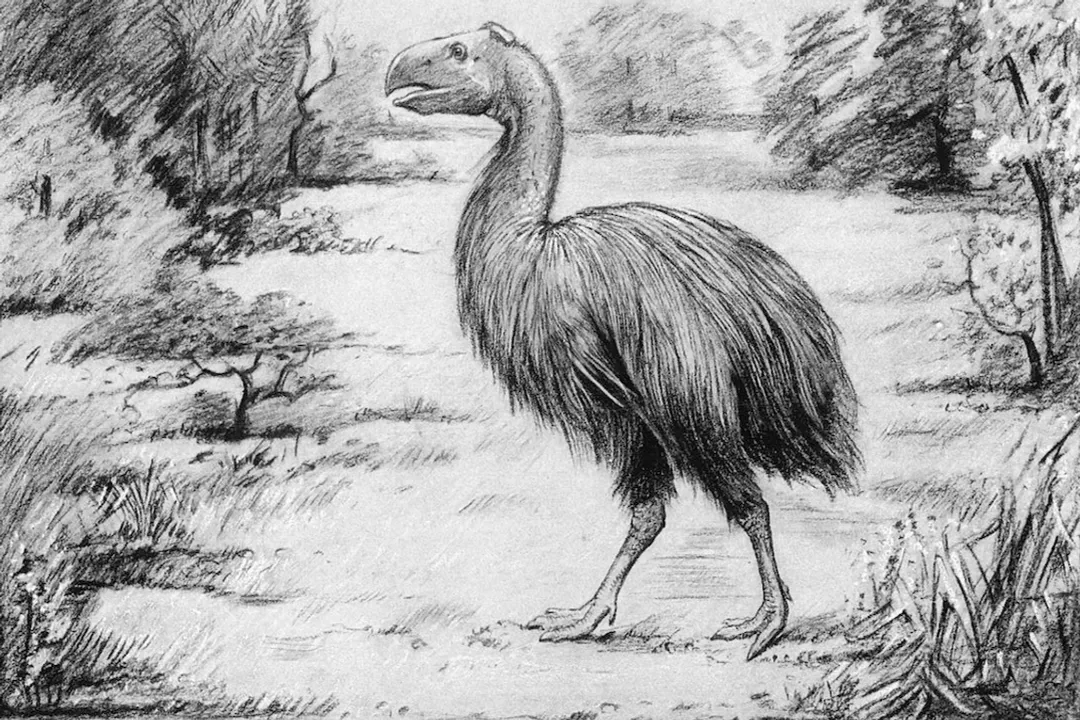
What mechanical function was the robust, deep structure of the *Gastornis* beak found to be optimized for?
Answer
Applying significant, sustained pressure across a broad surface area
The biomechanics indicate the beak was designed not for quick tearing, but for applying consistent, heavy pressure, ideal for processing hard-shelled items.
Related Questions
During which geological era did the extinct bird *Gastornis* roam the Earth?What maximum approximate length could the enormous beak of some *Gastornis* specimens reach?What was the long-held, initial assumption regarding the predatory capabilities of *Gastornis* based on its beak size?What is the strong consensus among many researchers regarding the primary diet of *Gastornis* today?What mechanical function was the robust, deep structure of the *Gastornis* beak found to be optimized for?The morphology of the *Gastornis* beak was deemed ill-suited for the mechanical action required for what type of feeding?Besides the beak, what other organ did *Gastornis* rely on entirely for food processing, given its lack of teeth?What factor related to its large body size made a highly energetic hunting lifestyle difficult for *Gastornis* to sustain?Based on biomechanical analysis, what type of force application does the *Gastornis* beak structure primarily indicate, contrasting with a raptor's bite?The mechanical action implied by *Gastornis* processing large seeds is best compared to what type of force application?