Has anyone survived a green mamba bite?
The question of survival after a bite from a Green Mamba is one that carries significant weight, given the snake’s reputation as one of Africa's most dangerously venomous reptiles. While the venom is known to be highly potent, stories—though often difficult to verify completely—do suggest that survival is an attainable outcome, hinging almost entirely on the speed and quality of medical intervention received. [2] The sheer toxicity means that without immediate and correct treatment, the prognosis is grim.
# Lethality Rated
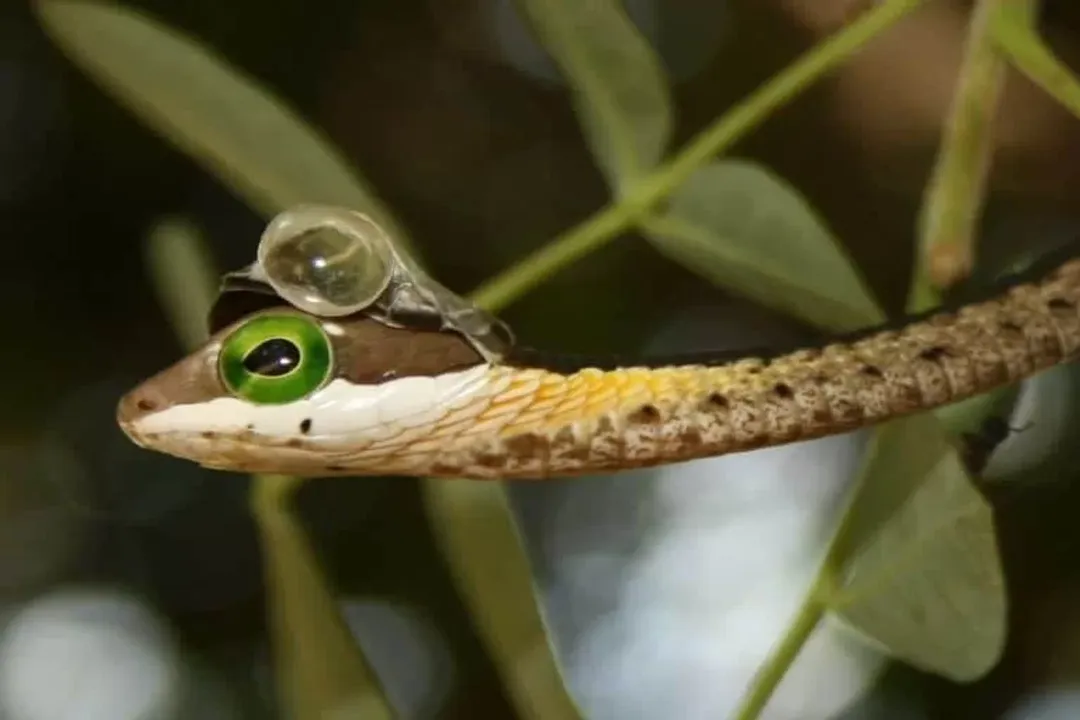
Green mambas deliver a potent cocktail of neurotoxins that attack the central nervous system. Neurotoxic venom typically causes paralysis, which can lead to respiratory failure and subsequent death if not counteracted. The fear surrounding these snakes is well-founded, as even a small quantity of venom can have devastating effects on a human. In the case of their close relative, the Black Mamba, death from paralysis can occur within minutes if a massive dose is delivered to a critical area, though progression to cardiovascular collapse usually takes between seven to fifteen hours without treatment. While specific, detailed clinical data on Green Mamba fatality timelines within the provided sources is limited, the general classification places them in the top tier of dangerous snakes, demanding immediate medical attention for any confirmed envenomation.
# Survival Documented
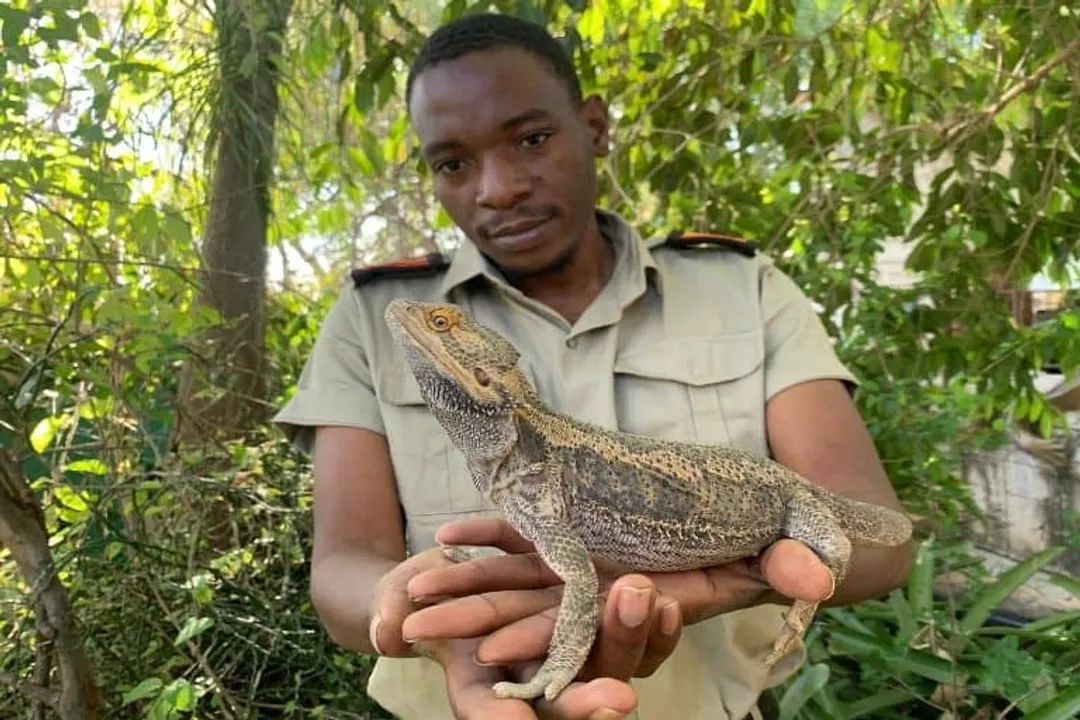
Despite the inherent danger, reports exist of individuals surviving mamba bites. A confirmed case involving a Black Mamba offers a tangible example of what rapid, professional care can achieve. Silence Masuku, a curator at the Hoedspruit Reptile Centre, was bitten by a Black Mamba but survived because strict protocols were in place. Crucially, he reached the hospital within twenty minutes of the bite, allowing for prompt antivenom administration, leading to a full recovery and a return to work merely four days later. This incident showcases that when systems are prepared, survival is very much possible.
While specific details surrounding Green Mamba incidents are less clearly defined in the available records, there are indications of human survival concerning this species as well. One account mentions a man in Raleigh who was bitten by his pet venomous snake, which is contextualized within the topic of green mamba survival, and who ultimately lived following the incident. [1] Furthermore, video evidence exists suggesting at least one person has been bitten by a Green Mamba and survived the event. These accounts, whether from direct pet encounters or professional settings, underline the reality that survival is not a statistical impossibility.
# Mamba Comparison
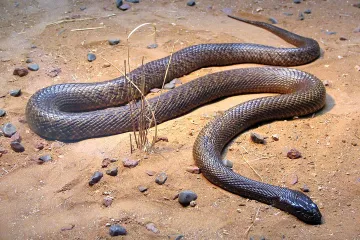
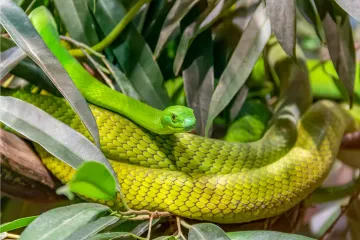
It is important to differentiate between the Green Mamba (Dendroaspis angusticeps) and the far more notorious Black Mamba (Dendroaspis polylepis), as their behaviors and venom characteristics differ slightly, affecting the immediate danger level. The Black Mamba is frequently cited as one of the most feared snakes globally due to its reputation for speed, aggression when cornered, and highly potent venom that acts quickly on the nervous system. Accounts of Black Mamba bites often describe rapid neurological decline, sometimes within 20 minutes.
By contrast, while the Green Mamba is equally venomous, its nature tends to be more shy, and bites usually occur when the snake is surprised or handled against its will, such as in a captive setting. Though the sources confirm that a Black Mamba bite without antivenom is nearly always fatal, and rapid progression to collapse is possible, the fact that individuals like Silence Masuku survived underscores the critical distinction between an untreated, wild bite and one that receives immediate hospital access. The key takeaway here is that the severity of the outcome is less about the species alone and more about the venom yield and subsequent intervention timeframe.
# Intervention Speed
The margin for error following a confirmed mamba envenomation is incredibly thin, regardless of the species involved. For the Black Mamba, professionals aim to get the victim to treatment within 20 minutes, acknowledging that paralysis can set in rapidly. While this standard is set for the Black Mamba, it serves as a stark benchmark for any elapid bite from this genus. The difference between life and death often boils down to minutes, not hours, which explains why bites occurring in remote locations far from medical facilities carry near-certain fatality rates. [2] The ability to reach antivenom, often requiring significant logistical coordination even when protocols are established, dictates survival.
An interesting observation arising from these survival accounts is the context of the bite. The confirmed survival of a curator due to strict on-site protocols suggests that institutions housing these animals understand that preparation negates much of the inherent risk. This contrasts sharply with bites occurring in the wild, where reporting and transport delay the life-saving dose. When dealing with pet snakes, as suggested by the Raleigh case, survival can sometimes be attributed to the victim being near a facility capable of administering the necessary antivenom quickly, even if the bite itself was severe. [1]
# Survival Factors
The successful navigation of a mamba bite incident relies on several interwoven factors, many of which are outside the victim’s immediate control. The primary determinant remains the delivery of the venom itself. Snakes, including mambas, sometimes deliver what is termed a "dry bite," where the fangs puncture the skin but little or no venom is injected. This act is thought to be an energy conservation tactic or a pure warning strike. Even in the Black Mamba, which is reportedly less inclined to dry bite due to its potent venom, the possibility exists. If a bite is dry, the immediate systemic effects will be absent, though local injury and swelling may still occur.
When venom is injected, survival pivots entirely to immediate medical access and the administration of appropriate antivenom. A critical insight here is realizing that the environment of the bite dramatically affects outcomes. A snake enthusiast or keeper bitten in a controlled setting, like a specialized facility, has an immediate support system ready to stabilize them and administer antivenom, drastically increasing their odds compared to a hiker bitten deep in the bush.
Furthermore, an often-overlooked variable, particularly in pet cases, is the snake's health and history. If a snake has recently used a large dose of its venom for a meal or defense, its reserves might be temporarily depleted, resulting in a less potent envenomation even if the bite is not entirely "dry". Conversely, the snake's general disposition—whether it was panicked, defensively biting multiple times, or simply delivering a warning shot—can modulate the dose received.
Ultimately, the survival narrative surrounding the Green Mamba is less about a guaranteed outcome and more about a race against time where rapid access to advanced medical support is the essential winning factor. The documented ability of handlers to survive Black Mamba bites through stringent protocols clearly demonstrates that effective human response can overcome the snake's natural toxicity.
Related Questions
#Citations
Photographer Mark Laita Was Bitten by a Black Mamba and Didn't ...
The Man Who Survived a Mamba Bite – Silence Masuku