Do spotted python bites hurt?
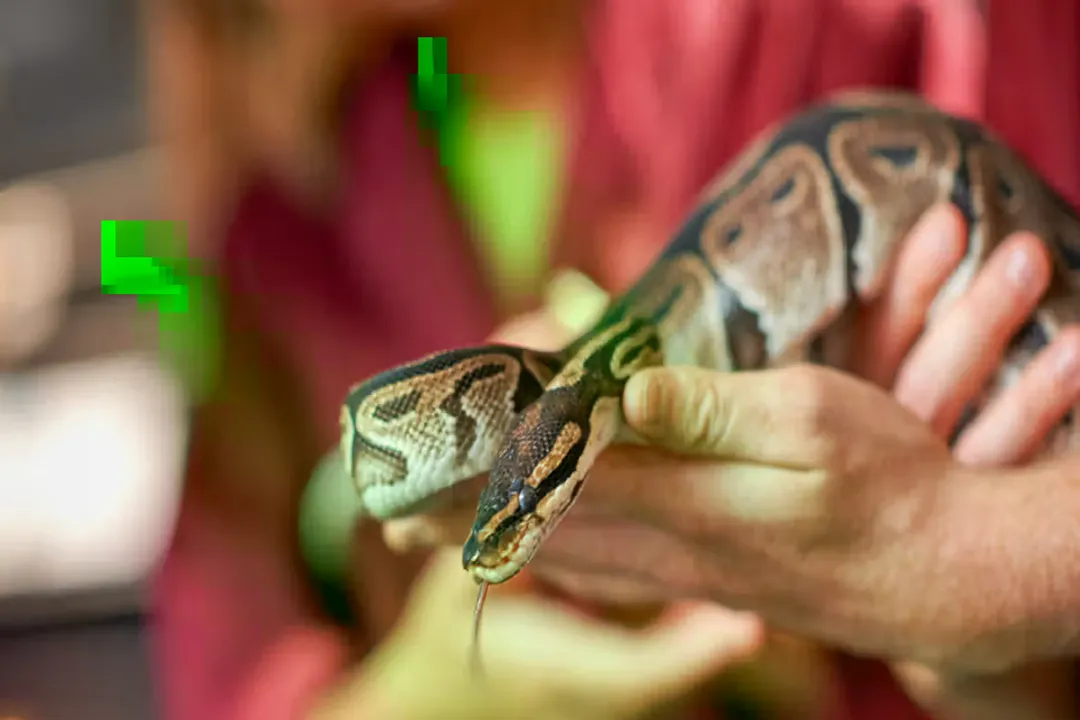
The concern over whether a bite from a Spotted Python will be painful is common for anyone considering one of these attractive, relatively small reptiles as a pet. [1][2] As one of the smaller python species kept in the pet trade, their bite mechanics and resulting sensation are often compared to those of other small, non-venomous snakes like the Ball Python. [7] The answer isn't a simple yes or no; it depends heavily on the context of the bite—whether it was a defensive snap or an accidental feeding response—and the individual snake's size and mood that day. [5][9]
# Species Temperament
Spotted Pythons (Antaresia maculosa) are generally regarded within reptile keeping communities as a suitable choice for first-time owners due to their manageable size, usually maxing out around 3 to 4 feet in length, and often perceived docile nature. [1][2] Owners frequently note that when properly socialized and handled, they are relatively calm animals. [2] However, even the most well-behaved snakes can bite under specific circumstances. Understanding why a python might bite is crucial before assessing the pain involved. [9]
A common reason for a bite, even from a typically placid species, is mistaking a keeper’s hand for food, especially if the snake associates a hand entering its enclosure with being fed. [8] Another primary cause is stress or defensiveness; if a snake feels cornered, threatened, or is improperly handled, it may strike out as a protective measure. [5] Given their smaller stature compared to large constrictors, their defensive action is usually a quick nip rather than a prolonged hold, though this varies between individuals. [6]
# Pain Assessment
When discussing python bites generally, the consensus among those with experience is that bites from non-venomous species, particularly the smaller ones, are generally not medically dangerous but can certainly be startling and uncomfortable. [6] A bite from a small python is often described more in terms of the initial shock and the resulting abrasions or puncture wounds rather than intense, lingering pain associated with venomous species. [6][7]
For a typical adult Spotted Python bite, the sensation is often compared to a sharp pinch or the pressure of several thick needles quickly pricking the skin simultaneously. [6] The pain is usually localized and fades relatively quickly, especially if the snake does not hold on. [7] However, if the snake mistakes a hand for food, it might grip tighter and attempt to "chew" or work its jaws around the perceived prey item to secure its hold, which can cause more significant tearing or abrasions to the skin. [8] This gripping action, rather than venom effects, is where most of the short-term discomfort originates in small pythons. [7]
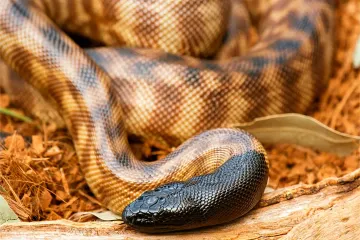
# Comparative View
To better frame the expected experience, comparing the bite of a Spotted Python to its well-documented cousin, the Ball Python, is informative. Ball Pythons are also small, generally docile pythons whose bites are often reported as minor incidents. [7] If a Ball Python bites—again, often during feeding time—the injury typically involves small puncture marks or minor scratches because their teeth are small and designed for gripping prey, not delivering toxins. [8]
Since Spotted Pythons are similar in size and are also non-venomous constrictors, the physical result of a bite is likely comparable to that of a Ball Python. The main difference might be slight variations in fang length or jaw strength, which can vary widely even between snakes of the same species based on age and feeding enthusiasm. A very young, small Spotted Python might produce little more than a few scratches, whereas a larger, established adult might leave distinct, though generally superficial, puncture wounds. [6]
Here is a brief look at how different potential bite scenarios might influence the immediate impact, drawing from general small python behavior documented by keepers:
| Bite Scenario | Typical Action | Immediate Sensation | Likely Aftermath |
|---|---|---|---|
| Defensive Nip | Quick, shallow strike, immediate release | Sharp sting, surprise | Minor surface scratches, brief redness |
| Accidental Feed Response | Firm grip, potential jaw adjustment | Intense localized pressure, a deep pinch | Puncture marks, minor bleeding, skin abrasion [8] |
| Attempted Constriction | (Rare in small species unless seriously provoked) | Significant crushing pressure (if sustained) | Bruising, substantial skin damage (very uncommon for Spotted Pythons) |
This comparison highlights that the intention of the bite dictates the physical trauma more than the species name itself. [9] A defensive bite is usually over before you register the pain, whereas a feeding response bite involves holding, which increases the chance of tearing the skin as the snake repositions its grip. [8]
# Bite Mechanics
Pythons, including the Spotted Python, possess backward-curving teeth. [7] This orientation is beneficial for holding onto slippery prey like rodents, ensuring they cannot easily pull free. When a bite occurs, these teeth hook into the skin. [7]
If the snake decides to let go immediately (often the case in a non-feeding defensive strike), the injury is essentially a series of small punctures or scrapes, akin to being pricked by several large thorns at once. [6] If the snake thinks it has food, it may hold on and try to reposition its jaw, leading to the shearing or tearing of tissue as the snake attempts to gain a better purchase before swallowing. This repositioning is where the pain level escalates from a momentary sting to more substantial discomfort caused by the tearing of the epidermis and dermis. [8] In cases where a bite is mistaken for feeding, keepers often advise not to pull the snake off suddenly, as this increases the likelihood of tearing flesh; instead, gently holding the snake's head or gently prying the mouth open is the advised technique to prevent excessive damage. [8]
# Handling Risks
For prospective owners learning how to handle a Spotted Python, understanding that mistakes often lead to bites is key to prevention. [1] It is widely observed that many novice owners interact with their snakes immediately after preparing food, or they wear gloves that smell like rodents, creating a dangerous association in the snake's mind. [8]
When evaluating the risk of pain, it is important to recognize that small pythons, like Spotted Pythons, are not aggressive toward humans by nature; they are opportunistic ambush predators that generally prefer to remain hidden. [2] An incident is almost always a symptom of an environmental or handling error. If a snake has been consistently handled calmly and its enclosure is clean, properly sized, and secure, the chance of a painful, defensive bite significantly decreases. [1] Furthermore, a stressed or sick snake may also be more prone to biting defensively, which can feel more painful than a simple feeding misidentification because the snake is actively reacting to perceived threat rather than instinctual hunger. [5]
# Aftercare Steps
While the pain from a Spotted Python bite is usually minor, prompt and appropriate aftercare is essential to prevent secondary infection, as with any break in the skin barrier. [7] Although Ball Python aftercare advice is available, it serves as a sound general guideline for similar small python bites. [7][8]
First, the immediate priority is to safely disengage the snake without causing further injury to yourself or the animal. Do not jerk your hand away. If the snake is clamped on, gently apply pressure to the top of its head or use a blunt object to gently open its mouth, allowing it to release its grip voluntarily. [8]
Once the snake is safely back in its enclosure, treat the wound:
- Wash Thoroughly: Clean the area immediately and thoroughly with mild soap and warm water to remove any bacteria from the snake’s mouth. [7][8]
- Antiseptic Application: Apply an antiseptic solution, such as rubbing alcohol or an iodine-based cleaner, to disinfect the puncture sites. [7]
- Monitor: Keep an eye on the area for signs of infection over the next few days—look for excessive redness, swelling, warmth, or pus. [7] While rare for such minor wounds, seeking medical attention is necessary if signs of infection develop or if the bite was unusually deep or ragged.
Ultimately, for a healthy, well-cared-for Spotted Python, the bite itself is more of a sharp, startling event with minor physical consequences than a source of significant pain or medical worry, provided standard hygiene protocols are followed immediately afterward. [6][7] The experience is primarily a learning moment for the keeper regarding husbandry and feeding practices. [9]
#Videos
What Does a Python Bite Feel Like? - YouTube
Do Ball Python Bites Hurt? - YouTube
Handling and taming Childrens Pythons: Understanding why they bite
Related Questions
#Citations
I want a pet snake, so I'm asking for advice and if you have ... - Reddit
First time owner, spotted python | Aussie Pythons & Snakes Forum
What Does a Python Bite Feel Like? - YouTube
Assuming most of you all know about them, what does a python bite ...
Do python bites hurt bad to humans? - Quora
Ball Python Bite: Treatment and When to See a Doctor - Healthline
What Do I Do If My Ball Python Bites? - Wilbanks Reptiles