Does a wombat bite hurt?
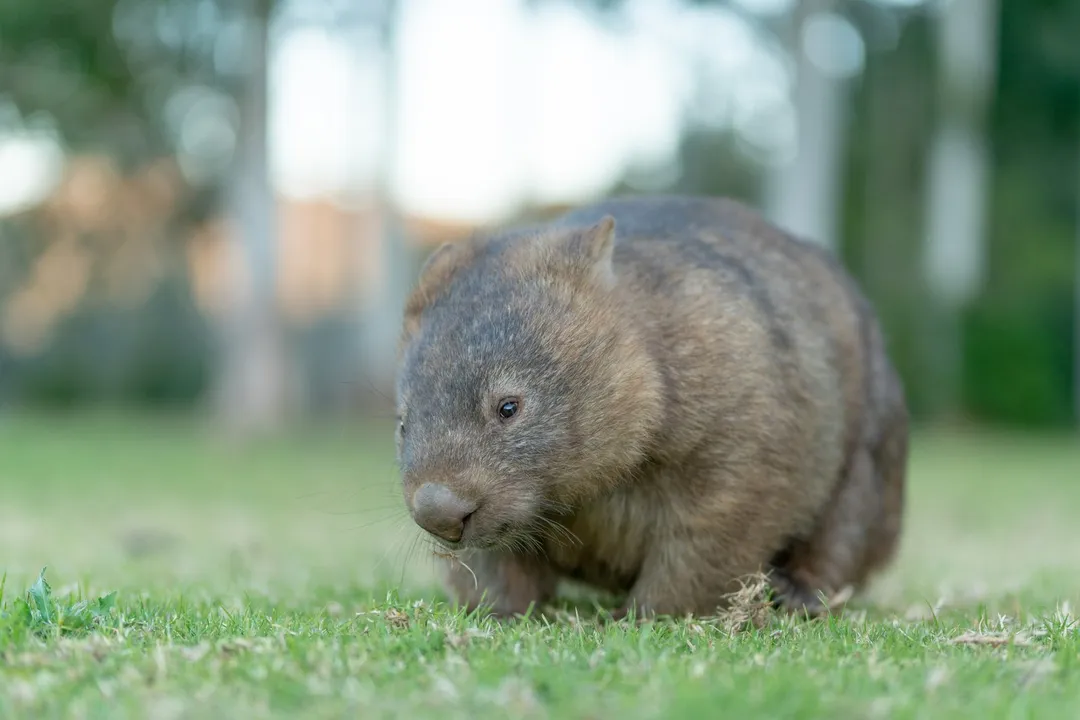
The question of how much a wombat bite hurts is complex, often overshadowed by the sheer physical presence of this compact marsupial. While the image of the cute, burrowing creature might suggest a harmless encounter, those who have experienced its displeasure report that the result is significant and immediate. [4] It is essential to understand that wombats are powerful, heavy animals, often weighing between and as adults, built low to the ground like miniature tanks. [4][1][2] This size alone dictates that any physical interaction gone wrong carries a risk beyond mere tooth contact.
# Wild Temperament
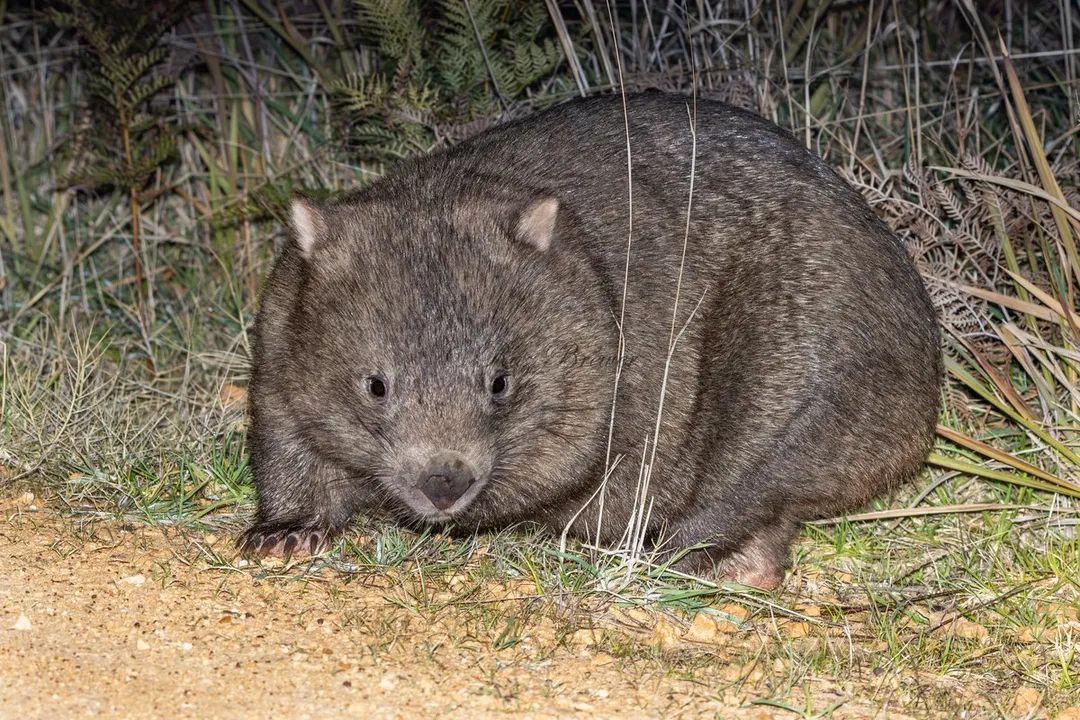
Wombats are generally solitary animals, actively avoiding contact with humans and other creatures unless mating or protecting young. [2] They spend most of their lives underground, emerging primarily after sunset to graze, which means encounters in the wild are uncommon unless a person encroaches upon their territory or burrows. [1] However, this natural avoidance can be negated in situations where the animal becomes habituated, perhaps by people offering food at campgrounds or reserves. [2] Habituation, while making them appear docile, can transition into demanding behavior, leading to aggression when they expect food and do not receive it. [2]
The temperament of a wombat shifts dramatically as it matures. While young, orphaned joeys hand-reared by carers might be curious and playful, they rapidly become aggressive upon reaching maturity or puberty. [2] Wildlife professionals caution that adult wombats hate everybody and everything once they mature, often nipping and biting. [4] Furthermore, the risk of aggression increases substantially if a female is protecting her young, as mothers are naturally highly defensive. [2]
# The Nature of the Injury
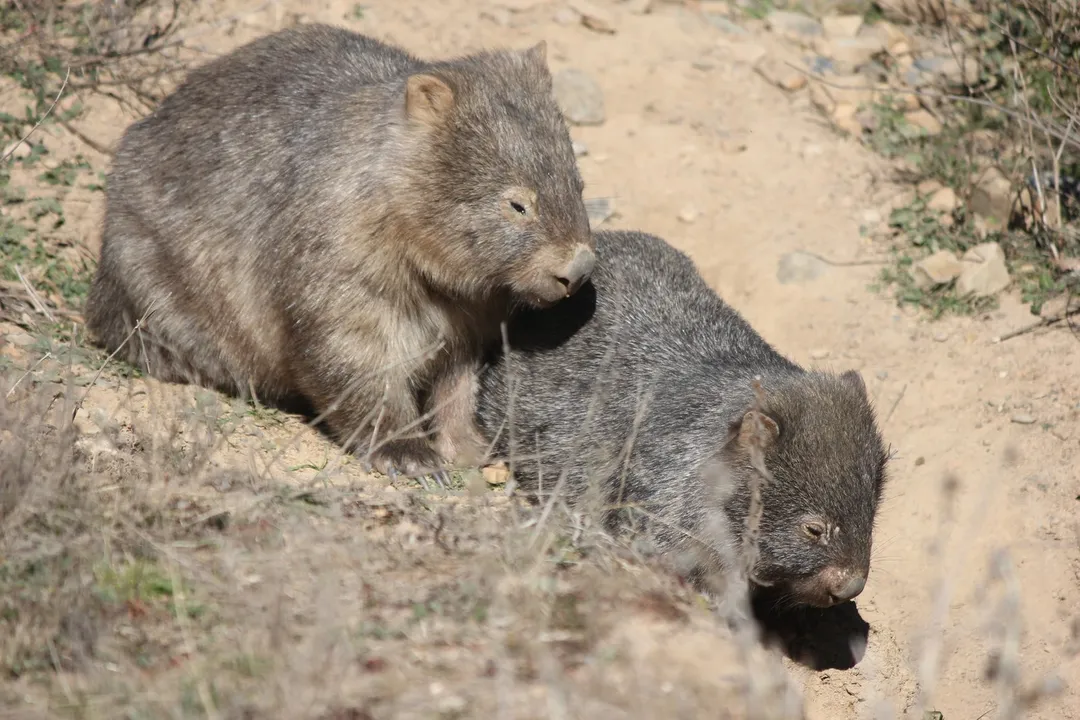
When a wombat does decide to bite, the resulting injury is decidedly painful and can cause measurable harm. Wildlife guidelines explicitly warn that wombats possess strong jaws and sharp teeth, capable of delivering a painful bite resulting in bleeding and bruising. [4] Accounts from those familiar with the animals confirm this potential, with one observer noting that an adult's bite is something that "bloody hurt … a lot". [2]
However, the bite itself might not even be the primary threat during an aggressive encounter. Wombats are deceptively fast, capable of short bursts exceeding . [4] In a direct confrontation, the physical momentum of the animal can be the most dangerous factor. They are known to charge and push a person over. [4] This initial impact, often delivered by their strong, squat bodies, can lead to severe secondary injuries from the fall itself, which may include broken bones. [4] An incident reported in Canberra involved a woman receiving more than 20 bites and lacerations, three of which required stitches, after the wombat charged her dogs and knocked her down. [4] Another account describes a man being "mauled" and receiving scratch marks on his chest, suggesting bites and claws are often employed together in an attack. [1]
It's worth noting that the physical description of a wombat's defense strategy often dominates the discussion around their danger, perhaps suggesting that the sheer force or its specialized defense is more feared than the bite. Their primary defense tactic involves backing into their burrow entrance and using their extremely tough, bony rump to crush an intruder's skull against the roof or wall. [1][2][4] This suggests that an aggressive or defensive encounter might involve a sequence of behaviors: a charge (potential for knocking down), followed by biting/scratching, and culminating in the use of their powerful backside if cornered underground. [4][1]
If one considers the purpose of the teeth—as efficient cutters for fibrous native grasses, roots, and bark—the bite is designed for shearing vegetation, not necessarily tearing flesh, which might explain why some bites are described as "usually not severe" in isolation. [1][4] Nevertheless, when motivated by fear or aggression, these powerful jaws and claws inflict wounds that require cleaning, bandaging, and potentially a tetanus shot. [1] A serious secondary concern following any bite or scratch is the risk of serious infection if the wounds are not properly treated. [4]
# Contextualizing Aggression
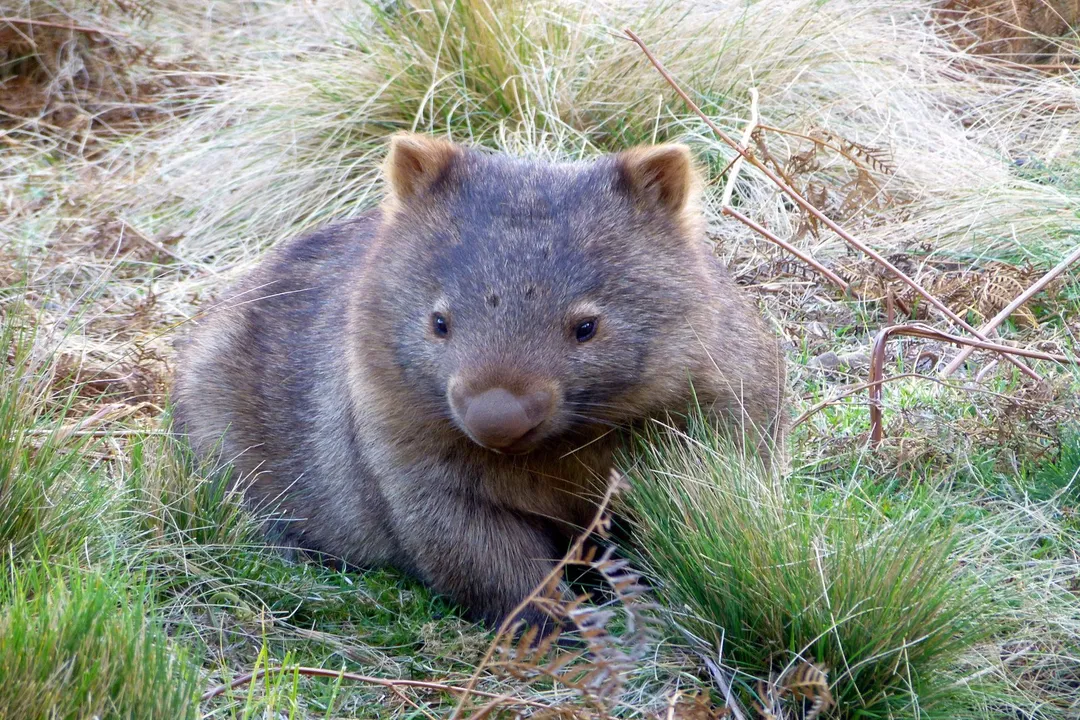
To avoid a painful bite, understanding why a wombat attacks is paramount. While wild wombats usually flee from humans, certain conditions can trigger a dangerous response:
- Feeling Cornered or Threatened: This is the most common trigger for any wild animal. If a human or a dog corners a wombat, it will react defensively. [2]
- Disease: A wombat suffering from conditions like mange may be disoriented, panicked, and consequently more defensive, as the skin condition causes itchiness, potential blindness, and general misery. [1] An animal exhibiting unusual behavior, such as wandering during the day, warrants extra caution as it might be unwell. [4]
- Habituation: As mentioned, animals used to being fed by humans can become aggressive when their expectations are not met, leading to a focused, persistent attack over an item of perceived food. [2]
It is a valuable insight that the physical structure of the wombat—built low, solid, and sturdy—makes its defensive maneuvers devastating. If one imagines trying to restrain one of these animals, which are essentially described as "little bulldozers" or "miniature tanks," the difficulty alone suggests that attempting to handle an aggressive adult is unwise. [4][1] In professional settings, manual restraint of a wild adult is often deemed impossible without chemical sedation administered by a veterinarian. [4]
For the general reader encountering a wombat in its natural habitat, the actionable advice remains rooted in non-contact observation. Because they are primarily nocturnal grazers, viewing them during the day often means you are observing an animal that is either injured, unwell, or habituated to people. [1][4] Respecting their space and avoiding any attempt to touch or corner them is the best way to avoid testing the true painful capacity of their bite or the crushing power of their frame.
# Physical Attributes and Potential Impact
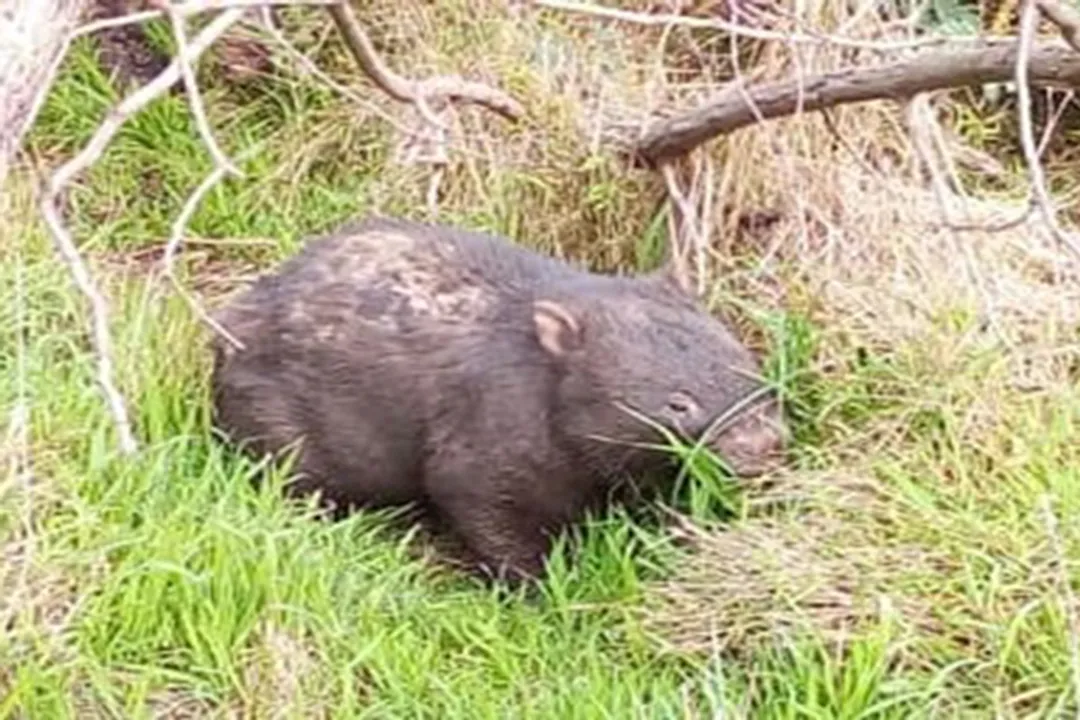
The capacity for injury is rooted in their physical makeup, which goes beyond just their teeth. The Bare-nosed Wombat is equipped with powerful limbs and flattened claws designed for digging extensive burrow systems. [1] This digging capability hints at the sheer strength contained in their short, barrel-shaped bodies. [1] They are large grazers, with mainland averages around but reaching weights up to . [1]
When assessing the potential pain, one must consider the teeth designed for cutting tough grass and the claws built for excavating earth. When these tools are directed at a person, as opposed to a tussock of grass, the result is tearing, deep wounds, and bruising. [4] The experience of being bitten is clearly remembered by those who have suffered it, often leading to immediate medical attention for wounds and infection control. [1][4]
In summary, while their bite can be a significant source of pain, bruising, and lacerations requiring medical follow-up, the pain from a direct bite is only one component of the danger posed by an aggressive adult wombat. Their ability to charge and knock over a human, combined with their overall strength and surprising speed, means an encounter can quickly escalate from a simple curiosity to a serious, life-threatening situation where a person fears for their life. [4] The bite hurts, but the accompanying physical assault from a determined, heavy marsupial can be far more damaging.
#Videos
Wombats are cute, but what about when they attack? | REACTION
Related Questions
#Citations
Animals in Australia aren't all that bad. Take this cheerful wombat for ...
Wombats are cute, but what about when they attack? | REACTION
Woman attacked by wombat thought she was going to die | Canberra
[PDF] Chapter 10. Wombats - Wildlife
Are wombats friendly? - Quora
Injury Examples – Mange Management
Bare-nosed Wombat - The Australian Museum
[PDF] Wombats Veterinary Triage & Assessment - Wildlife Heroes