Do cane spider bites hurt?

The question of how much a cane spider bite actually hurts often circulates in regions where these sizable arachnids are encountered, sparking a mix of concern and curiosity among residents and visitors alike. For many, the sheer size of a cane spider—often identified locally as a type of Huntsman—is enough to prompt worry about potential consequences should contact occur. The reality of the bite, however, frequently diverges from the fear conjured by its appearance.
# Identification Context
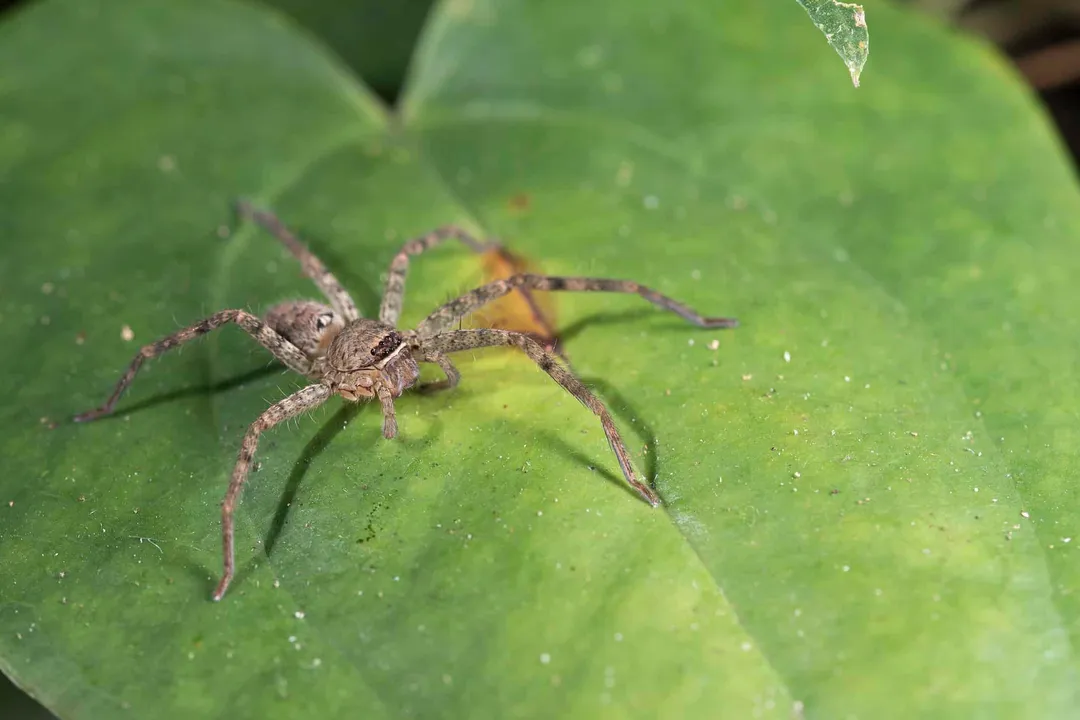
The term "cane spider" itself can sometimes create confusion because it isn't a universally accepted scientific designation for a single species. In certain areas, such as Hawaii, the name is commonly applied to large, fast-moving spiders frequently seen near homes, sometimes resulting from misidentification or local vernacular. These spiders generally belong to the family Sparassidae, commonly known as Huntsman spiders. Regardless of the exact species, these spiders are typically characterized by their large size and hairy appearance. Understanding what you are seeing is the first step, as local health authorities often address bites from the most common large spiders in their area.
# Venom Effects
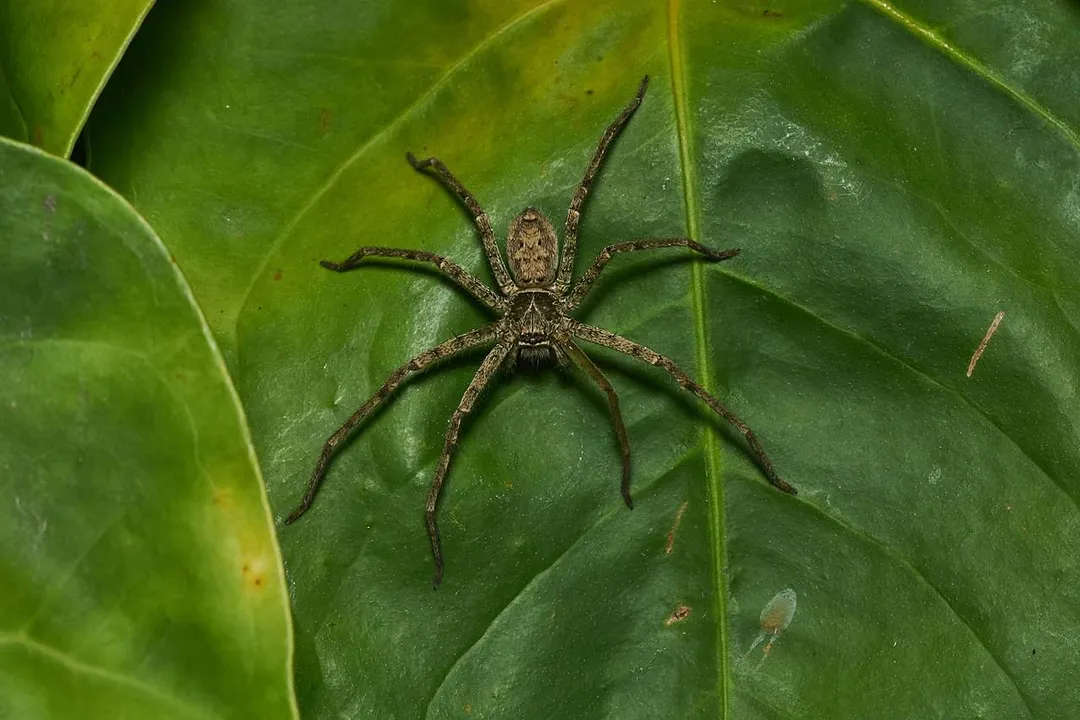
When assessing the potential pain of a bite, the primary factor is the effect of the spider's venom. Medical resources generally categorize the bites of most common spiders, including those likely referred to as cane spiders, as not being medically significant to humans. In the case of the cane spider specifically, sources suggest that while they possess venom, it is typically not dangerous to people. The venom of many commonly encountered spiders is usually intended for immobilizing insect prey, rather than inflicting serious harm on a mammal. It is important to note the distinction: even if a bite is medically harmless, it can still be momentarily painful.

# The Initial Sensation
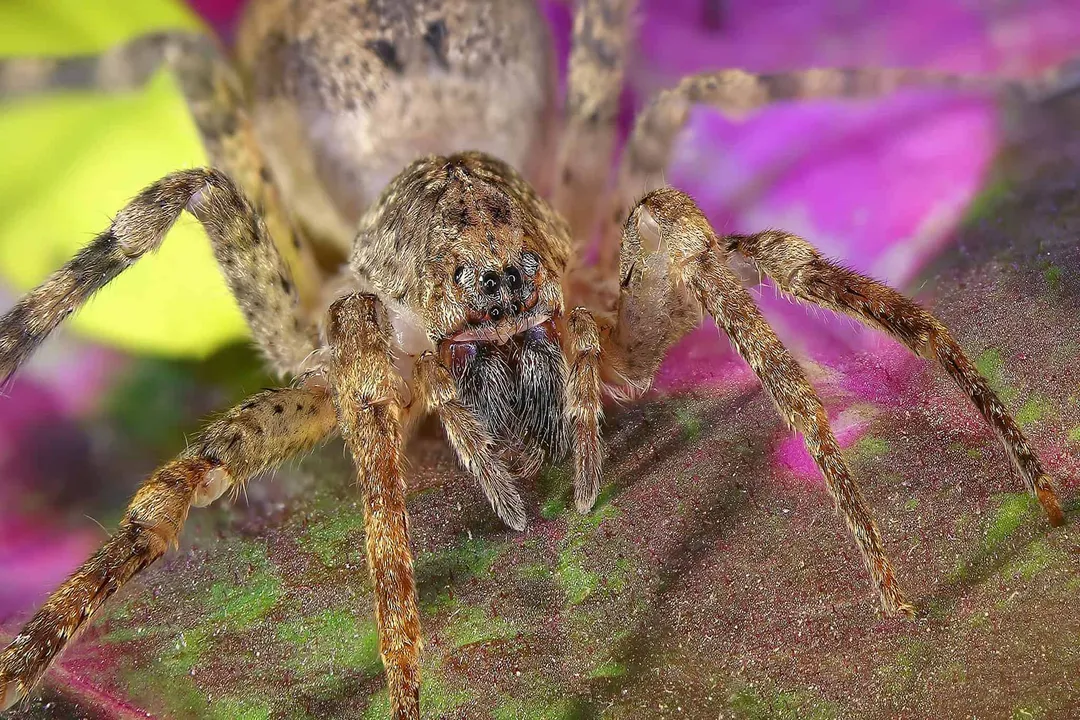
The actual experience of being bitten appears to vary widely, much like other common spider encounters. Anecdotal reports gathered from community discussions often suggest that the initial pain is surprisingly minor. Some reports compare the immediate sensation to that of a sharp pinch or a quick, localized sting, rather than intense throbbing pain. This experience is often contrasted with the visual impression the large spider makes. One local observation in the context of Hawaii suggested that while the spiders are startling, the resulting bite pain itself was quite mild, almost unremarkable compared to the fright of the encounter. If the spider is large, the fangs might be noticeable, but this doesn't always correlate with intense pain.
When considering generalized spider bite reactions, symptoms often include immediate, localized pain, which may range from minor to intense, depending on the species. For the cane spider, the consensus leans toward the less severe end of that spectrum.
# Post-Bite Symptoms
Beyond the immediate sting, the symptoms following a bite from a cane spider—or similar non-medically significant spiders—tend to be localized and mild. Common symptoms associated with many spider bites include redness, localized swelling, and itchiness at the site of the bite. If the bite is from a species like the Huntsman, which is often labeled the cane spider, these symptoms are generally the extent of the reaction.
In Hawaii, the Department of Health specifically addresses spider bites, noting that symptoms are usually mild. Severe systemic reactions are rare for the spiders commonly encountered in residential settings. If one is dealing with a known or suspected bite from a spider where the venom is not dangerous, symptoms usually resolve quickly. It is crucial, however, to monitor the site for signs of secondary infection, which can occur with any break in the skin, regardless of the cause. Unlike bites from medically significant spiders (like the Black Widow or Brown Recluse, which are generally not found in the same habitats as the common "cane spider"), serious symptoms like severe muscle pain, widespread rash, or significant tissue death are not expected from a bite commonly referred to as a "cane spider" bite.
When comparing general spider bite symptomology, sources discussing common symptoms list pain, redness, and swelling as the universal initial signs. The duration and intensity of these signs are what differentiate a minor bite from a serious one. For the cane spider, the duration of noticeable pain seems brief, perhaps minutes to a few hours, aligning with a non-toxic but irritating puncture.

# Practical Avoidance and Contextualizing Risk
Since the pain level seems low, the emphasis shifts toward preventing the bite altogether, which often involves understanding the spider's behavior. Cane spiders are typically described as reluctant to bite, often preferring to flee rapidly when disturbed. They are known for their speed, which allows them to escape most confrontations. A bite is most likely to occur when the spider feels directly threatened or trapped against the skin, such as when being accidentally crushed.
A useful way to frame the risk is to consider the environments where these spiders hide. In tropical or subtropical climates, they often seek shelter in dark, undisturbed places, which can include piles of wood, debris, or, as the name suggests, discarded items like cane or gardening materials. When dealing with outdoor equipment or stored items in these environments, a proactive approach to visual inspection is far more effective than reacting to a bite. For instance, before sweeping up debris or reaching into a shed, a quick flashlight check can prevent accidental startling of the resident spider. This preventative measure mitigates the risk not just of a bite, but of the stress associated with the encounter.
Considering the comparison between different local spiders, sometimes the bite from a common wasp or bee in the same location results in significantly more acute and longer-lasting pain than the bite reported from a large Huntsman/cane spider. This comparison highlights that while any bite is unwelcome, the pain factor for the cane spider may be less concerning than for other stinging insects.
# Managing a Known Bite
Should a bite occur, the management protocol follows general guidelines for minor skin injuries. First, maintaining a calm approach is essential, especially given the spider’s tendency to flee. Clean the area thoroughly with soap and water. If pain is present, applying a cool or cold compress can help manage any localized swelling or discomfort. Elevating the affected limb, if applicable, can also assist in reducing swelling. Over-the-counter pain relievers can be used for discomfort, though they are often not necessary if the pain is as mild as reported. Medical attention is usually only sought if symptoms worsen significantly, if signs of infection develop, or if the individual experiences any unexpected systemic reaction. Paying close attention to signs like spreading redness, increasing heat, or pus formation is more important than focusing on the initial sharpness of the bite itself.

# Symptoms Summary Table
For quick reference, here is a generalized look at what one might expect versus what is generally not expected from a bite attributed to a cane spider, based on common medical advice for non-lethal bites:
| Symptom Category | Expected (Common) | Unexpected (Requires Medical Review) |
|---|---|---|
| Immediate Pain | Mild, sharp, pinch-like | Excruciating, shooting, or debilitating pain |
| Local Reaction | Redness, slight swelling, localized itchiness | Large area of blistering or tissue death (necrosis) |
| Systemic Effects | None to mild temporary dizziness/nausea | Severe muscle cramping, abdominal pain, breathing difficulty |
This table synthesizes the general medical consensus on minor bites with the specific context provided about the cane spider in local forums. The crucial takeaway is that while the bite itself may register as pain, it rarely escalates into a medical emergency associated with medically significant venom.
# Conclusion on Pain Level
Ultimately, while a bite from a large spider like the one called a cane spider is certainly startling and will likely cause a brief moment of pain, the available evidence suggests it is not a severely painful or medically dangerous event for the vast majority of people. The experience seems to be one of momentary discomfort followed by minor localized irritation, fading relatively quickly. Focus remains less on the severity of the pain and more on proper identification and safe practices around large, fast-moving invertebrates found in the environment.
Related Questions
#Citations
Cane Spiders : r/Hawaii - Reddit
Cane Spiders DO BITE! - Maui Forum - Tripadvisor
Spider Bites | Disease Outbreak Control Division
Cane Spider Animal Facts - Heteropoda venatoria
Friendly Neighborhood Spider Bite - Island Scene
Spider bites | Queensland Poisons Information Centre
Spider Bites - Injuries and Poisoning - Merck Manuals
What are the common symptoms of spider bites? - Quora