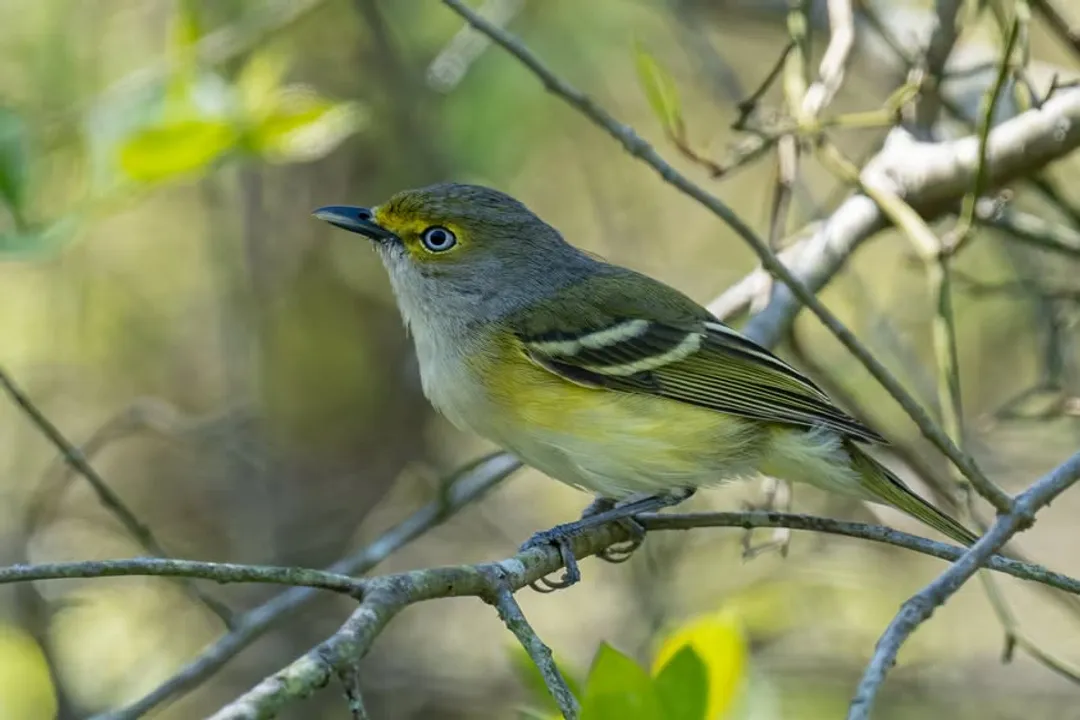
What major evolutionary commitment distinguishes the northern V. g. griseus population from resident Antillean subspecies?
The evolution of the physiological machinery necessary for long, arduous migrations
A significant divergence in evolutionary trajectory exists between the northern and southern populations due to differing environmental demands. The northern *V. g. griseus* population has evolved a complex suite of migratory physiology, including adaptations for fat deposition, directional sense, and precise timing, necessary to undertake long and arduous migrations to Central American or Caribbean wintering grounds. This represents a massive evolutionary commitment. Conversely, the stationary, subtropical environments of the Antillean subspecies do not place the same selective pressures on developing and maintaining this elaborate migratory machinery, highlighting how environmental shifts, like Pleistocene glacial cycles that fractured corridors, favored migratory success in the north and local persistence in the south.