Yellow-Eyed Penguin Evolution
# Hoiho Genetics
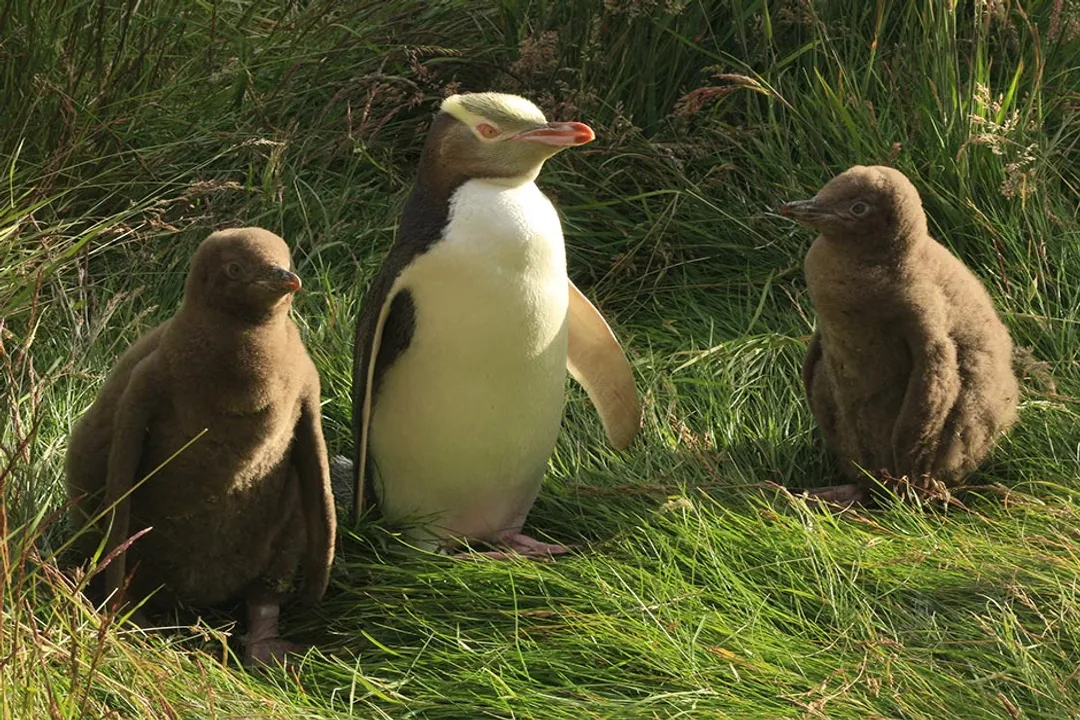
The Yellow-Eyed Penguin, known to Māori as Hoiho or Takaraka, is one of the world’s most endangered seabirds, a shy coastal dweller of New Zealand's shores often recognized by the distinctive pale yellow band of feathers circling its eyes. For years, conservationists and biologists treated Megadyptes antipodes as a single, albeit highly threatened, species facing a population crash that has seen mainland numbers plummet to fewer than 150 breeding pairs. However, recent, deep genetic investigations have dramatically redrawn the evolutionary map of this taonga (treasured species), revealing that the Hoiho is, in fact, three separate and deeply divergent evolutionary lineages, essentially wearing a single species uniform. This finding, derived from sophisticated genomic analysis, is not merely an academic footnote; it represents a fundamental shift that carries immediate and urgent implications for how these precious birds are managed and saved from imminent extinction in their northern range.
# Genomic Blueprint
The revelation stems from a landmark study utilizing whole-genome sequencing data from nearly 250 penguins spread across the species’ geographic range: the New Zealand mainland (the Northern population) and the subantarctic Enderby and Campbell Islands (the Southern population). By employing cutting-edge techniques, including the inference of Ancestral Recombination Graphs (ARGs)—which model the entire genealogical history of the sampled individuals across their genome—researchers uncovered deep genetic divisions suggesting negligible ongoing migration between these groups. These findings were so pronounced that they support the formal recognition of three distinct subspecies.
The proposed scientific designation reflects this genetic isolation and cultural significance, developed in partnership with Ngāi Tahu, the principal iwi (tribe) holding kaitiakitanga (guardianship) over the species. The three lineages are proposed as:
- Megadyptes antipodes murihiku for the Northern population (mainland South Island/Rakiura).
- Megadyptes antipodes motu maha for the Enderby Island population (Auckland Islands).
- Megadyptes antipodes motu ihupuku for the Campbell Island population.
The genetic separation is not recent; when calibrated against the DNA of two extinct relatives, M. a. waitaha and M. a. richdalei, the divergence timing was recalibrated significantly. The split between the Northern subspecies and the Southern groups is estimated to have occurred between 5,000 and 16,000 years ago. This timeline positions the initial separation long before human arrival in New Zealand, challenging older models that suggested the mainland population was a recent arrival post-human settlement. The two Southern island groups subsequently separated from each other more recently, roughly 3,000 to 11,000 years ago.
# Historical Isolation
Understanding the timing of these divergences requires looking deep into the geological past, a factor known to influence penguin evolution more broadly. Research into other penguin species has shown a direct correlation between the formation of isolated islands—like Gough Island for the Northern Rockhopper or the Galápagos Islands—and the speciation of the resident colonies. As newly arrived birds established colonies on emergent landmasses, geographic isolation would naturally lead to genetic drift and local adaptation over hundreds of thousands of years, eventually resulting in new species. While the specific drivers for the Hoiho splits are linked to post-glacial environmental shifts in the Southern Ocean, the principle of isolation shaping unique evolutionary paths remains central to their history.
The ancient DNA analysis that helped calibrate this evolutionary clock also provided a stark reminder of past vulnerability. Scientists analyzing prehistoric bones from the Chatham Islands found evidence of a distinct, smaller yellow-eyed penguin subspecies, M. a. richdalei, which became extinct shortly after human arrival in the area. This historical pattern underscores that island-bound species, even those that have survived millennia of natural isolation, are acutely susceptible to disruption from new predators or competitors introduced by humans.
# Adaptation and Disease Susceptibility
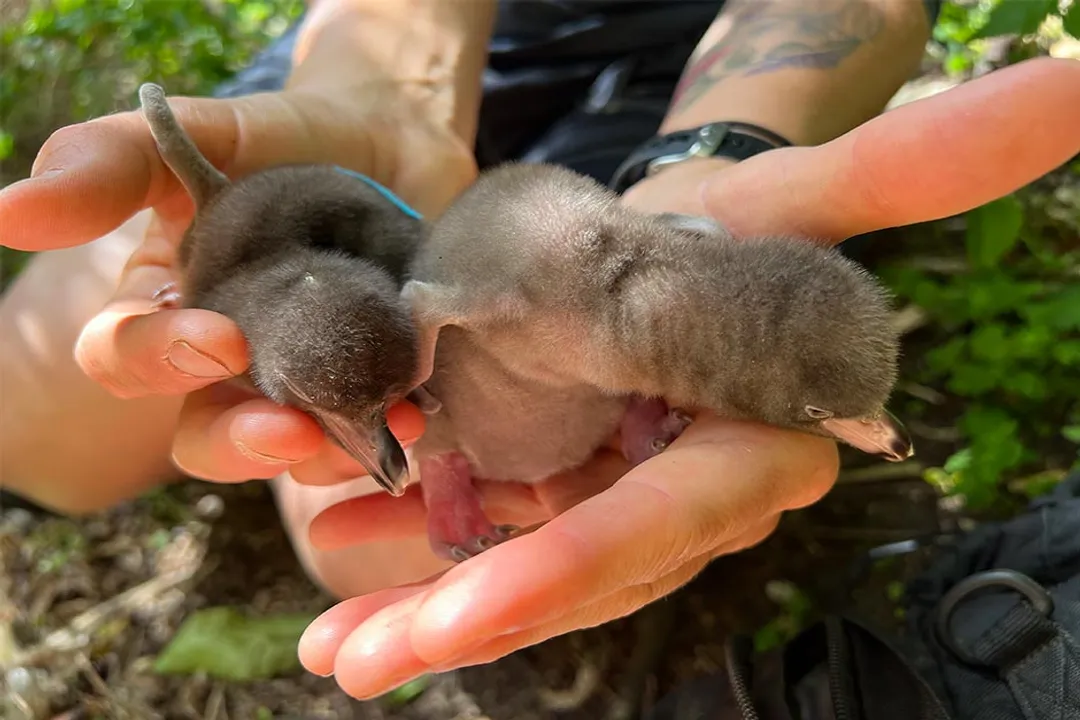
This new subspecies classification is critically important because of a major biological difference observed between the groups: the deadly Respiratory Distress Syndrome (RDS) that has decimated Northern chicks since 2019. The syndrome is associated with the Yellow-eyed penguin gyrovirus (YPGV), which is present in both the Northern and Southern populations. Crucially, however, Southern chicks on Enderby and Campbell Islands do not appear to contract clinical RDS, despite carrying the virus.
Genomic scans provided molecular clues to explain this differential survival. The Southern subspecies showed distinct genetic signatures of local selection in regions associated with cilium function—the tiny, hair-like structures that clear the respiratory tract of pathogens. Furthermore, the Northern subspecies (M. a. murihiku) showed genomic enrichment for adaptations related to temperature stimulus, cold, nutrient levels, and salt stress.
It is fascinating to consider how these long-term adaptations might have inadvertently set the stage for current crises. The fact that the Northern subspecies has evolved unique adaptations to handle the specific, perhaps harsher, mainland coastal environment, including dealing with temperature and salinity fluctuations, might suggest a trade-off in their general immunological preparedness. The genetic pathways that optimized survival in the harsh, but stable, environment of the mainland over thousands of years may not have included the necessary breadth of immune or respiratory defense mechanisms to cope with a novel avian virus like YPGV. In essence, the very traits that helped the murihiku lineage survive thousands of years of isolation may contribute to its current inability to combat this contemporary threat, highlighting the complex, non-linear nature of evolutionary advantage versus pathogen defense.
# Conservation Focus
The genomic evidence solidifies the argument against broad-spectrum recovery efforts that might have previously been considered, such as genetic rescue between populations. Because M. a. murihiku has been isolated for millennia, introducing genes from the Southern groups carries a significant risk of outbreeding depression, where mismatched local adaptations lead to reduced fitness in the offspring.
The conservation priority is now clear and tailored:
- Northern Subspecies (M. a. murihiku): Requires urgent and bold action due to its critically low numbers and ongoing high chick mortality from RDS. Research must now focus on the specific genetic basis of RDS susceptibility within this group to develop targeted countermeasures against the virus or its pathological effects.
- Subantarctic Subspecies (M. a. motu maha and M. a. motu ihupuku): Require immediate population size assessments and trend monitoring, as their evolutionary isolation also means their specific vulnerabilities are still being characterized.
The discovery of these three independent evolutionary units means that the loss of the mainland murihiku would not just be the loss of a local population; it would represent the extinction of one of the species’ three unique, millennia-old evolutionary legacies. The timescales involved in this evolutionary divergence—spanning thousands of years of natural sorting—provide a humbling counterpoint to the current conservation crisis. A species that adapted meticulously to profound environmental shifts over millennia is now facing catastrophic collapse in mere decades due to modern pressures like habitat change, bycatch, and disease. The genomics of the Hoiho illustrate a clear lesson: conservation success in the twenty-first century demands recognizing and respecting the deep, unhurried history encoded within a species’ DNA.
Related Questions
#Citations
Genomic study reveals three subspecies of endangered hoiho
Population genomics of yellow-eyed penguins uncovers subspecies ...
Researchers link penguin evolution to island formation