What is the typical passerine foot structure allowing secure branch gripping?
Answer
Three toes pointing forward and one backward
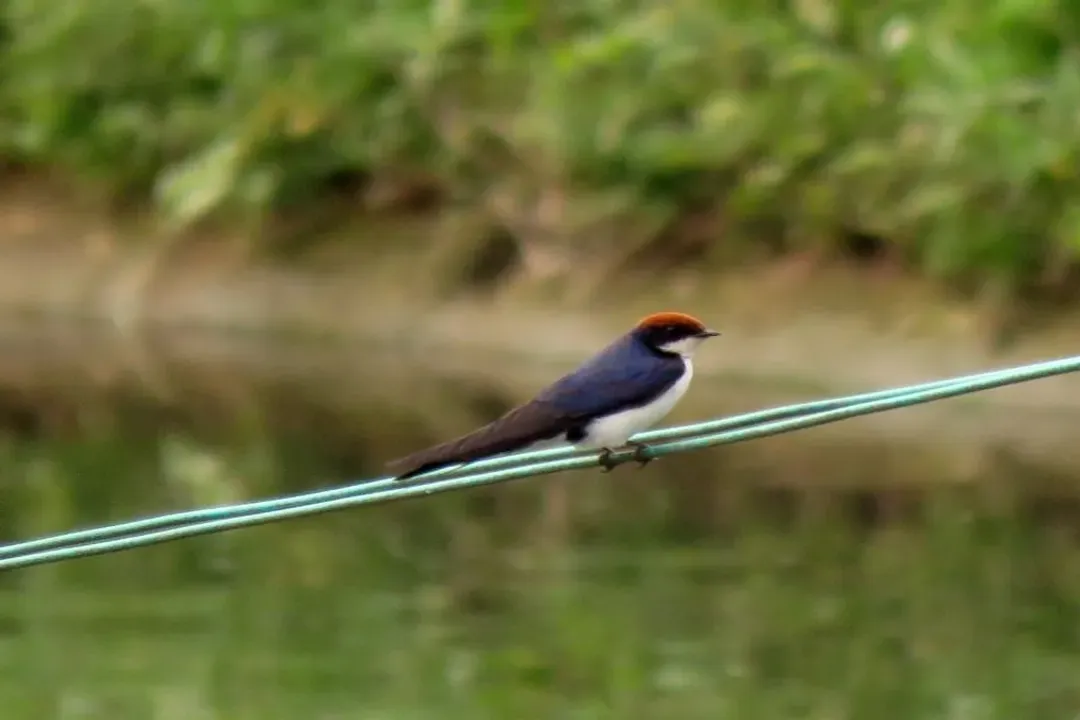
The placement of weaver birds within the Order Passeriformes dictates that they possess the characteristic passerine foot structure. This specific arrangement is highly adapted for arboreal life, enabling them to grip branches with exceptional security. The structure involves three toes extending forward, opposing a single toe positioned backward. This configuration allows for a powerful grasping action around perches, which is essential for birds that spend considerable time maneuvering through branches, whether building nests or resting. This physical trait is a key component of their classification alongside other songbirds.
Related Questions
What scientific Order includes the weaver birds, commonly known as perching birds?What does the Greek root *plokos*, from which the family name Ploceidae is derived, mean?Which geographic regions are primarily inhabited by birds of the Ploceidae family?Which genus within Ploceidae is the most species-rich and synonymous with true communal weavers?Unlike many Ploceus weavers, what feature is the primary emphasis for sexual selection in Euplectes species?What primary binding agents do weaver birds typically avoid when constructing nests from vegetation strips?What is the typical passerine foot structure allowing secure branch gripping?What is the binomial nomenclature for the Village Weaver serving as a case study?How does the typical nest style of Plocepasser (Sparrow-Weavers) often compare to Ploceus nests?Approximately how many species are contained within the weaver bird family Ploceidae?