What is the defining locational shift observed when Wels catfish transition from resting to active feeding behavior?
Answer
Moving from tight daytime sanctuaries to shallower margins to patrol
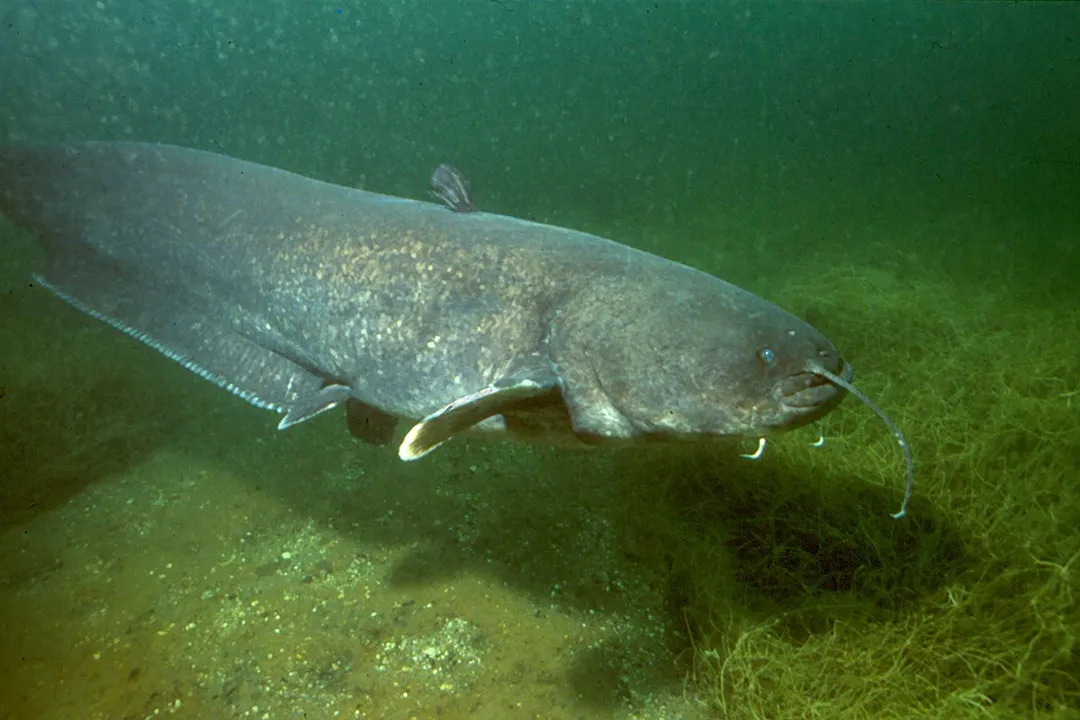
The feeding behavior of the Wels catfish dictates a dramatic reversal of its typical location preference. During the day, they seek deep, tight cover. However, when they switch to hunting mode, which typically occurs between dusk and dawn, they vacate these deep sanctuaries. They actively patrol shallower areas, including margins and adjacent features, which brings them closer to accessible prey species that may be feeding near the bank or on shelves adjacent to the deep resting areas.
#Videos
How To Catch Monster Wels Catfish! -the Angler - YouTube
How to Catch a Diamond Wels Catfish! - Call of the Wild theAngler
Spain Aguas Claras Reserve - COTW: The Angler - YouTube
Related Questions
What is the scientific name given for the Wels catfish species?Which water system defines the eastern boundary of the historical Wels catfish native distribution?During peak summer heat, where do Wels catfish generally seek thermal refuge during daylight hours?Which habitat feature is characteristic of where juvenile Wels catfish hold compared to mature specimens?What specific structural feature downstream of a current break is considered prime real estate in river systems for Wels catfish?What minimum water temperature is cited as necessary for Wels catfish to begin thriving and increasing activity?How is the establishment status of the Wels catfish within the British Isles described?What structural element offers essential overhead cover for cautious Wels catfish during daytime hours?What is the defining locational shift observed when Wels catfish transition from resting to active feeding behavior?What is the initial step in the methodical analytical approach used to locate unknown Wels catfish specimens in a new venue?