Wels Catfish Locations
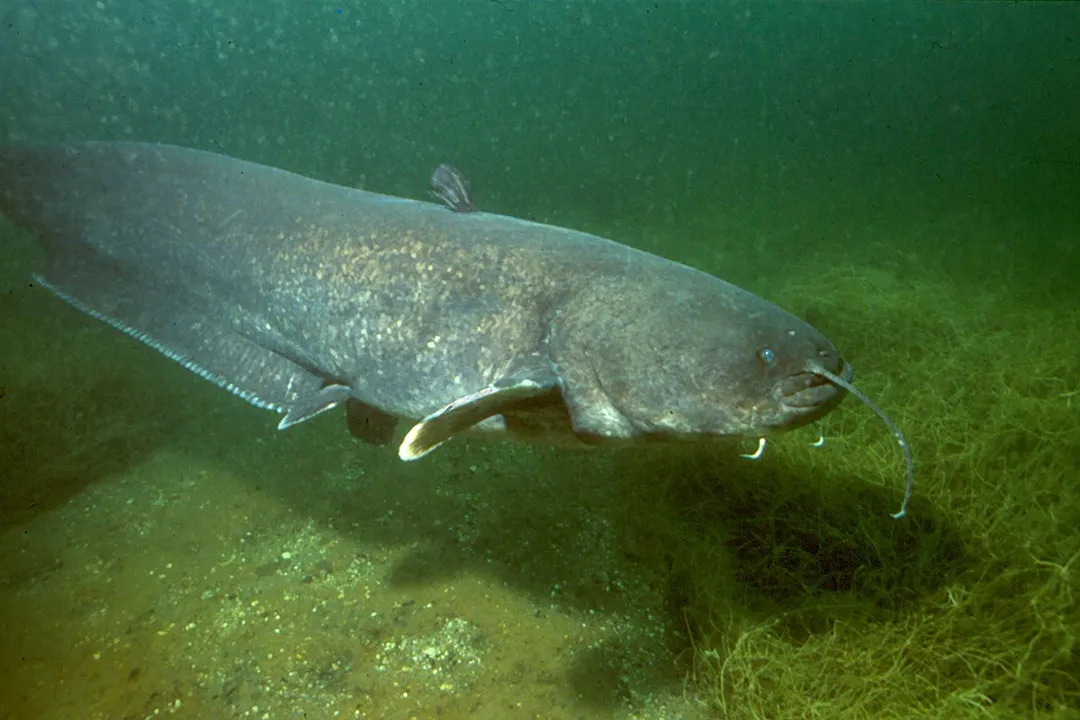
The sheer size potential of the Wels catfish makes it a legendary target for anglers across its range, sparking fascination about precisely where these European giants choose to reside. This species, scientifically known as Silurus glanis, commands attention not just for its massive girth and length, but also for its predatory nature in freshwater systems. Finding a Wels catfish relies heavily on understanding its preferred environment, which shifts with age, season, and local water conditions.
# Native Distribution
The Wels catfish is predominantly a species native to large parts of Continental Europe and Western Asia. Its historical distribution spans from the Rhine basin eastwards to the Aral Sea drainage, including major river systems like the Danube, Volga, and Dnieper. In the UK, for instance, while they are established, they are not native but were introduced, often becoming significant features in specific gravel pits and reservoirs. Contrast this native range with its introduction status elsewhere; the Wels catfish has been intentionally introduced to various other parts of Europe, including the Iberian Peninsula, the British Isles, and even regions like Kazakhstan, often leading to ecological discussions about predator-prey balance in these new settings. A key observation is that while they inhabit large lakes and slow-moving rivers, they generally avoid very cold or fast-flowing water bodies.
# Habitat Structure
The specific structure of a water body is often more telling than the general location when pinpointing where Wels catfish congregate. These fish are renowned for preferring deep, slow-moving water that offers plenty of cover. Look for areas with overhead cover, such as overhanging trees or jetties, which provide protection from overhead light and predators, especially for the younger or more cautious individuals.
Deep holes, known as troughs or scour pools, are classic holding areas, particularly near bends in rivers where the current has dug out deeper sections. These deeper spots offer thermal stability, which is crucial for a large, slow-metabolizing fish, especially during the heat of summer or the colder months.
When considering where these catfish sit during the day, structure is paramount. They are often found close to the bottom, tucked into physical features like:
- Steep drop-offs leading into deeper water.
- Piles of submerged timber or fallen trees.
- Undercut banks.
- Weed beds or reed fringes that drop off into deeper channels.
It is interesting to note that juvenile Wels catfish often occupy different, shallower habitats than the mature specimens. Smaller fish may be found closer to the margins or in shallower weedy areas where smaller prey is abundant, while the giants hold court in the deepest, most secluded spots. This separation by age class means an angler targeting trophy fish must adjust their search pattern drastically depending on the size class they are hoping to encounter.
# Depth Considerations
Depth plays a defining role in the daily location of a Wels catfish. During daylight hours, especially in summer, they are typically found in the darkest, deepest parts of the lake or river, often near the bottom. They are not generally considered a pelagic (open water) species, preferring the security of the bottom contour.
For anglers using modern fish-finding technology, identifying a sharp thermocline—the boundary layer between warm surface water and cold, deep water—can be a strong indicator, as Wels often stay below this line in the cooler, oxygenated depths during the day. However, this changes dramatically when they switch to feeding mode.
# Feeding Locations
The location preference flips almost entirely when Wels catfish decide to feed, which often occurs from dusk till dawn. When actively hunting, they move out of their tight daytime sanctuaries and patrol shallower areas, margins, and features where prey species are more accessible.
For instance, in a large reservoir, a Wels might spend the day in a 40-foot hole but move onto a 10-foot shelf adjacent to that hole at night to ambush smaller fish moving in to feed on invertebrates or insects near the surface or bank. Rivers often see them move from the main channel into shallower side streams or flooded areas when feeding activity peaks. Video guides focusing on techniques for this species frequently emphasize the transition from deep daytime haunts to shallower night feeding grounds as the most crucial locational shift for success.
# Locating Fish in Specific Water Types
The general rules about depth and cover apply across different water types, but the application varies slightly between flowing rivers and still waters like lakes or gravel pits.
# Rivers and Channels
In river systems, the Wels catfish will stage near strong current breaks. Areas directly downstream of weirs, bridge pilings, or tight bends where the water scours out a deep hole are prime real estate. The confluence of two rivers, where turbulent mixing occurs and often deeper channels form, can also concentrate larger specimens. When the river is high and fast, they will retreat to the deepest, slackest water they can find to conserve energy, only moving out to feed when the current subsides slightly or under the cover of darkness.
# Lakes and Pits
Still waters, such as large natural lakes or man-made gravel pits used for commercial fishing, present a different challenge. Here, structure is key, as there is no primary current to dictate flow. Anglers focus intensely on mapping the lakebed to find steep ledges, sudden depth changes, or areas where old tree stumps or rock piles have been deposited. In these environments, the sheer size of the fish often dictates that the prime locations will be the deepest available point in the water body, often near the center or the deepest part of a large bay.
# An Angler’s Consideration of Water Temperature
The activity level and, consequently, the location of Wels catfish are strongly influenced by water temperature, linking directly to their metabolism and feeding windows. They are warm-water fish and thrive when the water temperature rises above 15°C (59°F).
During the peak heat of summer, when surface temperatures can climb, the fish will retreat to the deepest, coolest water they can access to regulate their body temperature. This emphasizes the importance of finding those deep holes or troughs during the mid-day hours in July and August. Conversely, as temperatures drop in the autumn, their feeding slows, and they may become less mobile, often staying close to their deep summer shelters as they prepare for a period of low activity. This predictable seasonal movement means an angler must first know what season it is before locking onto a specific depth contour.
An interesting point gleaned from community observations in various angling circles—both real-world and simulation-based—is that areas receiving any consistent, albeit small, inflow of fresh, cooler water (like a small stream entering a large lake) can act as a magnet for larger specimens seeking thermal refuge during heatwaves, even if the surrounding area is shallow. This minor environmental feature can concentrate a large fish in an otherwise unremarkable location.
# Locating Young Fish
A significant difference in location strategy must be employed when targeting juvenile Wels catfish compared to the mature giants. Younger specimens, which are still growing rapidly and less concerned with extreme depth, tend to favor areas offering plentiful, easy forage in shallower water.
Look for younger fish in:
- Shallow margins near reed beds.
- Areas with softer, silty bottoms where benthic invertebrates thrive.
- Near underwater weed patches that provide cover close to the bank.
While the adults are masters of the abyss, the juveniles are tactically positioned near the edges, maximizing their opportunity to feed on smaller baitfish, insects, and crustaceans near the shoreline or submerged vegetation.
# Interpreting Feeding Behavior Across Regions
While the general habitat preference remains consistent across the Wels catfish's introduced and native ranges, local pressures and food availability can subtly shift their daily routine. In vast river systems where food is plentiful, like sections of the Danube, the fish might be more spread out across deep structure, only moving into the margins to feed during the darkest hours.
In smaller, contained gravel pits in places like the UK or France, which are often heavily stocked and managed, the feeding pattern can become more aggressive and predictable, sometimes leading to daytime surface activity if they are conditioned to regular bait drops or if the water is cooler and oxygenated throughout. Experienced anglers often suggest that if a body of water has a high population of abundant, easily catchable prey like roach or bream, the Wels may not need to patrol as far or as deep during the night, sticking to defined lanes between deep cover and the adjacent feeding shelf.
To apply this locally, consider what the primary food source is in your specific body of water. If the lake has a massive population of small whitefish, expect the catfish to concentrate their evening patrols along the established routes these whitefish use between cover and feeding flats. If the food source is primarily bottom-dwelling invertebrates, the fish might stay closer to the soft bottom structure rather than moving high into the water column.
# A Method for Locating Unknown Specimens
For an angler approaching a new venue, successfully locating a Wels catfish requires a methodical, tiered approach that combines habitat knowledge with modern tools. The process isn't about random casting; it's about elimination based on what the fish needs to survive.
- Map the Deepest Water: Use sonar or charts to identify the deepest contours, holes, and trenches in the area. This is the fish's primary daytime refuge. Mark these areas first.
- Identify Overhead Cover: Note any features that break the surface or hang over the water, such as bridges, overhanging trees, or dock structures, especially those that extend over deep water. These are high-probability holding spots.
- Look for Bottom Composition Change: Identify where hard bottom (gravel/rock) meets soft silt. Wels often favor the edges of these transitions or scour marks caused by current near hard structures.
- Determine the Thermocline (Seasonal): If the water is stratified (summer), find the depth where the temperature drops significantly. The fish will likely be resting just below this layer.
- Wait for Dusk: Once the sun sets, shift focus to the nearest features that border the deep water—these are the shallower shelves, weed edges, or gravel bars where the fish will move to hunt.
This analytical approach, treating the water body like a complex puzzle of depth, structure, and temperature gradients, is far more likely to put an angler near a Wels than simply casting into the middle of a large lake. While some video sources for fishing games might simplify this process, the underlying ecological principles for locating large bottom-dwelling predators remain consistent in the natural world.
# Habitat Summary Table
To summarize the general preferences that dictate where anglers should focus their efforts, a quick reference on the preferred environment is helpful:
| Factor | Daytime Location (Resting) | Nighttime Location (Feeding) | Primary Requirement |
|---|---|---|---|
| Depth | Deepest available holes, troughs, and undercuts | Shallower shelves, near the margins | Thermal stability/Security |
| Structure | Submerged timber, steep drop-offs, weirs, main river bends | Features adjacent to deep water; weed edges | Cover and Ambush Points |
| Water Flow | Slow moving or slack water | Can tolerate moderate flow if cover is present | Energy Conservation |
| Juveniles | Shallows, silty bottoms, weedy margins | Near abundant small prey sources | High forage density |
In synthesizing information across various angler reports and species guides, it becomes clear that the Wels catfish is not a nomad covering vast distances unnecessarily; it is an energy-efficient predator. It picks a secure, deep base of operations and only ventures out when the energetic reward of the hunt outweighs the risk of exposure, which is why successful location-finding centers on finding the best cover rather than the largest open area. The most proficient Wels anglers are essentially structure detectives, mapping the underwater topography to predict the catfish's next move based on the time of day and season. Their locations are dictated by necessity: safety first, food second.
#Videos
How To Catch Monster Wels Catfish! -the Angler - YouTube
How to Catch a Diamond Wels Catfish! - Call of the Wild theAngler
Spain Aguas Claras Reserve - COTW: The Angler - YouTube
Related Questions
#Citations
How To Catch Monster Wels Catfish! -the Angler - YouTube
Wels Catfish - Fish Species - COTW: The Angler Wiki
Fishing for Wels catfish near you - Fishbrain
Wels catfish - Wikipedia
Wels Catfish : r/COTWTheAngler - Reddit
Fishing on Wels - Fishing tours, the best regions & more
Dose anyone know where to catch wels bigger then silver been ...
Where are the Young wels catfish ? - Tips/Techniques/Guides