Is the wels catfish invasive?
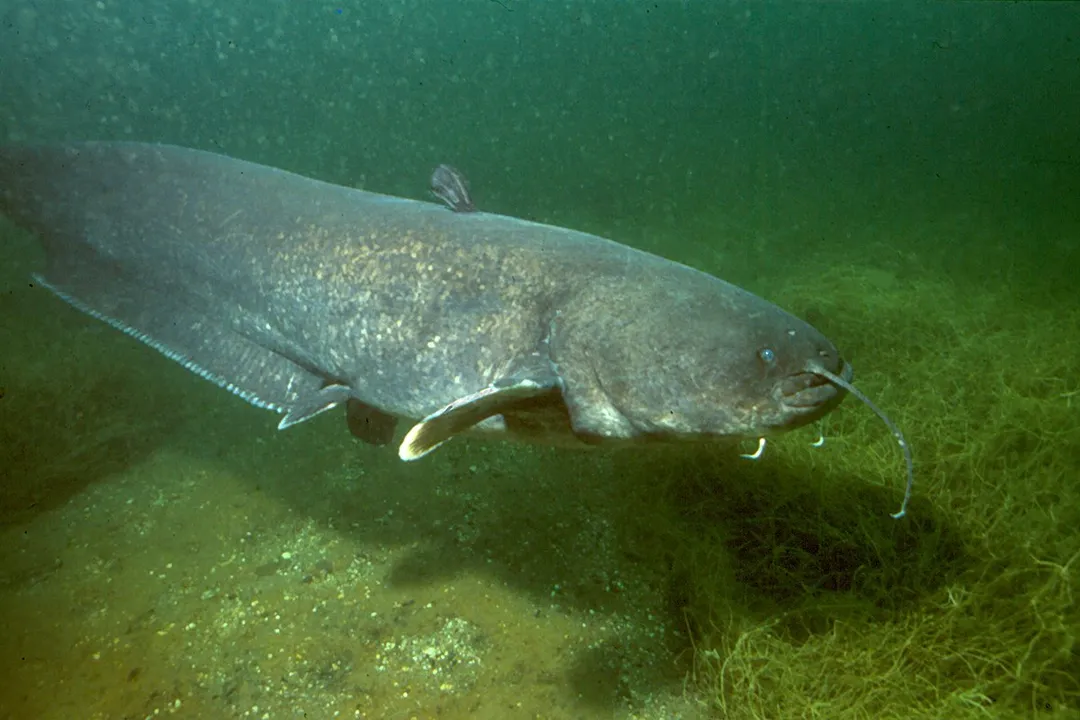
The question of whether the Wels catfish poses a significant threat to new environments is one met with significant concern from conservationists and ecologists across several continents. This large, imposing fish, with its native range stretching across Eurasia, is now recognized as an invasive species in various locations outside its historic habitat. [3][2] The debate isn't about if it can survive elsewhere, but rather the severe ecological disruption that follows its establishment when it is introduced outside of its native range in Central and Eastern Europe. [3]
# Eurasian Origins
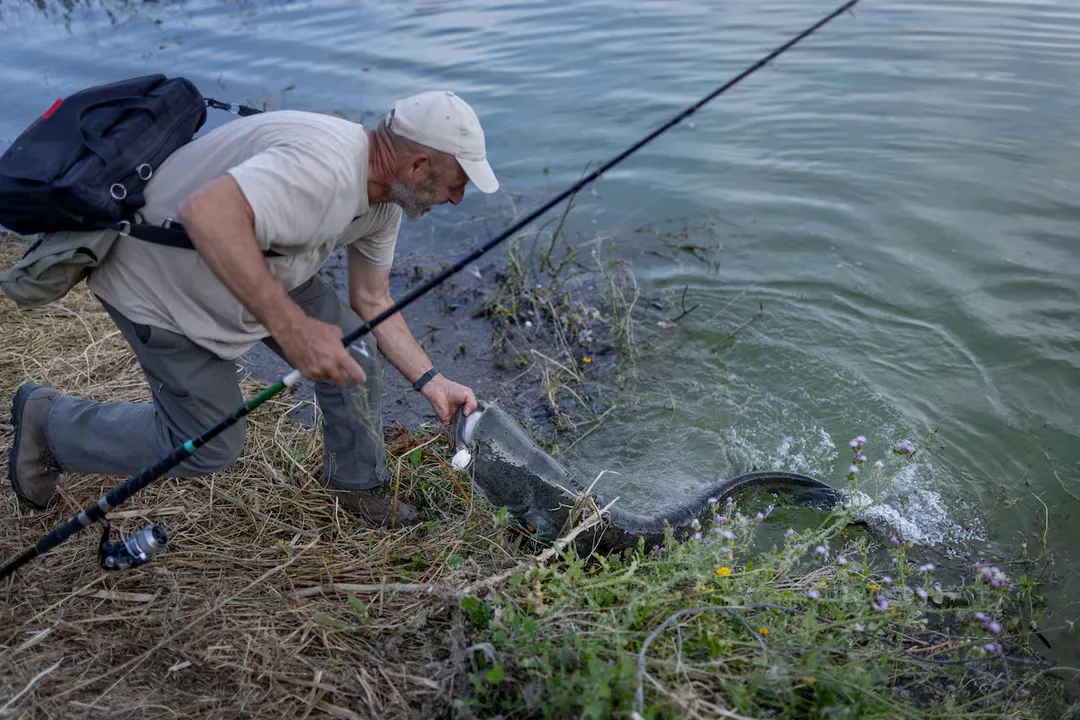
The Wels catfish (Silurus glanis) is a native resident of the large rivers and lakes throughout a vast swath of Europe and Asia. [3] In its home territory, it is a recognized and often sought-after sport fish, known for its impressive size. [9] These fish can grow to lengths exceeding 2 meters and weigh over 100 kilograms, cementing their status as one of the continent's largest freshwater predators. [3] Their life history in these established ecosystems allows for a certain balance, even with their predatory nature. [9]
# Invasive Designation
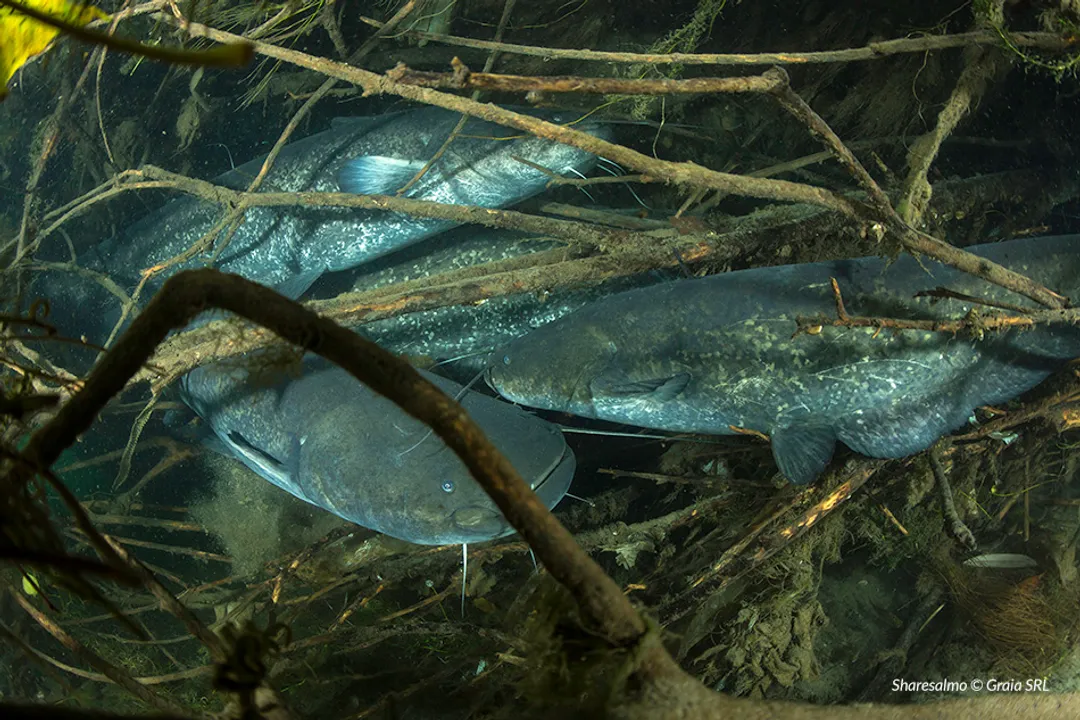
However, where the Wels catfish has been introduced outside of this traditional area, its role shifts from native giant to ecological menace, leading to its formal designation as an invasive species in certain jurisdictions. [1][2] For instance, in places like Michigan, authorities actively list the Wels catfish as an invasive species and call on the public to report any sightings, indicating a proactive stance against its potential establishment in the Great Lakes region. [1] This designation is not taken lightly, as the subsequent impacts on local biodiversity are severe, which is why vigilance is required in areas where it is not naturally found. [2]
# Ecological Damage
The primary reason for the alarm surrounding non-native Wels catfish populations stems directly from their appetite and adaptability. Once established, they exert intense predatory pressure on local fish communities. [9] Reports from areas where they have become established paint a grim picture of ecosystem alteration. In Spain, for example, the Wels catfish has been described as a "machine of destruction" threatening local river ecosystems. [8] The impact goes beyond just native fish; in France, there have been reports indicating that the Wels catfish preys on birds, leading to considerations for banning the species entirely due to its menace. [6] This broad, indiscriminate diet makes containment extremely difficult once populations become self-sustaining.
A concerning aspect of this predatory behavior is its sheer size. Because they are apex predators in the waters they inhabit, they consume almost anything they can fit in their mouths. [3] When considering the potential for an introduced fish to reshape an entire aquatic food web, the Wels catfish represents a top-tier risk due to this large gape and high growth potential. [3][9]
# Great Lakes Risk
The potential for this species to enter the Great Lakes system represents a major management concern for North America. [7] Agencies are actively working to prevent its introduction, recognizing the catastrophic damage it could inflict on native fish stocks like lake trout and salmon. [1][7] Online discussions among anglers reflect this anxiety, often hypothesizing about the devastating effect large catfish would have on species already under various management pressures in the lakes. [4] If the Wels catfish were to establish itself in the Great Lakes, they could severely impact native sport and commercial fisheries, which are economically and ecologically vital. [4] The sheer volume of water and complexity of the Great Lakes basin, while vast, could potentially offer enough habitat for a large, resilient predator to establish itself if an introduction were successful. [7]
It is interesting to compare the management approach in regions like Michigan, which prioritizes reporting and preventing establishment, [1] against areas like Spain, where the species is already a current, entrenched problem requiring more intensive, retroactive measures to mitigate ongoing damage. [8] This contrast highlights the fundamental difference between preventing an invasion and attempting to control an invasion once the species has demonstrated its reproductive success in the new territory. The window for simple prevention closes quickly once spawning populations take hold.
# Predator Profile
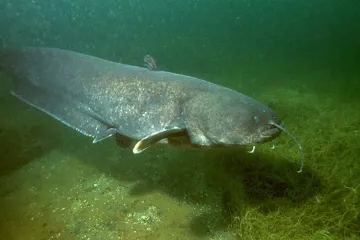
Understanding why they are such effective invaders requires looking closer at their biology. The Wels catfish is characterized by a long, eel-like body and a broad, flattened head. [3] They are not fast, open-water pursuit predators; rather, they are known for lurking near the bottom, ambushing prey that passes nearby. [9] Their sensory capabilities, including sensitive barbels around the mouth, allow them to detect movement and chemical changes in the water, making them effective hunters even in low-visibility conditions common in many deep rivers or muddy lakes. [3]
This ambush strategy, coupled with their opportunistic diet, means they are highly capable of capitalizing on any available food source, whether it's crustaceans, smaller fish, amphibians, or even terrestrial animals that fall into the water, as seen with the bird predation reports. [6][8]
When examining the potential ecological ripple effects, one must consider the loss of mid-sized fish species. If a large invader like the Wels catfish targets native fish that occupy an intermediate trophic level—the very fish that might sustain other valued species—the entire structure can collapse. This bottom-up or top-down cascade effect is what environmental managers fear most; the introduction of a single, highly efficient predator can trigger widespread, unpredictable extinctions or population crashes in sensitive native assemblages. [4]
# Management Approach
In areas where the Wels catfish is confirmed to be non-native and invasive, the goal is generally eradication or strict control. [1] In North America, preventative measures focus on rigorous inspection of recreational equipment and prohibiting the possession or release of the species if caught. [1] This regulatory barrier is the first and most crucial line of defense against illegal stocking or accidental transport, which remains a significant vector for aquatic invasive species globally. [2]
If the species were to establish itself, the management options become far more complex and costly. Eradicating a large, deep-dwelling predator from a major river system is incredibly difficult, often relying on localized applications of piscicides—a strategy fraught with ecological trade-offs because such chemicals impact non-target native species as well. [4] For established populations in Europe, the focus often shifts to culling programs to reduce biomass and limit predation pressure, which requires sustained, long-term commitment from governmental and conservation bodies. [8]
One point for local water users to consider, perhaps more than is immediately apparent, is the role of public awareness in prevention. While government agencies set regulations, the compliance of recreational anglers—who might legally fish for native species but inadvertently transport eggs or juvenile catfish—is essential. This emphasizes that successful invasion prevention is not solely a regulatory task but a community responsibility, especially in systems with high recreational boating or fishing traffic where water from an infested system could easily be transferred to a clean one. [1]
The challenges in managing a fish of this size cannot be overstated. Unlike smaller invasive species where targeted removal might be feasible, the Wels catfish's tendency to inhabit deep holes and its nocturnal feeding habits make standard netting or electrofishing techniques less effective for large-scale population assessment or removal. [9] This inherent difficulty in monitoring and extraction elevates its threat level considerably compared to shallower, more accessible invasive species.
# Species Status
It is important to distinguish between where the Wels catfish is invasive and where it could become invasive. [7] In its native range, it is simply a large native fish. [3] In other parts of Europe, such as Spain, it is an established invasive species causing documented harm. [8] In North America, particularly in the Great Lakes basin, it is considered a high-potential threat, meaning it has the biological characteristics and the habitat potential to thrive, but it is not yet established. [7] This distinction is vital for resource allocation; conservation dollars are often spent differently on prevention versus mitigation of established threats. [1]
The scientific community tracks these potential invaders closely. The fact that major waterways, including the Great Lakes, are identified as highly vulnerable areas underscores the seriousness with which non-native introductions are viewed by federal and state resource agencies. [7] This caution stems from historical precedence: once a destructive invasive species is in the system, reversing the damage is often impossible, leading to permanent changes in ecosystem function and cost burdens for fisheries management for decades to come. [4]
Related Questions
#Citations
Invasive Species: Wels Catfish - State of Michigan
Wels Catfish - Ontario's Invading Species Awareness Program |
Wels catfish - Wikipedia
What would happen if the wels catfish got into the US ? : r/Fishing
So, it turns out, wels catfish, sturgeon and even zander are not ...
This Fish in France Eats Birds – Banning Invasive Species Before ...
Species Profile - Wels Catfish
'It is a machine of destruction': The wels catfish threatens Spain's ...
the wels catfish - Sharesalmo