What indicates that a water dragon is potentially being overfed regarding its body condition?
Answer
Excessive accumulation of fat stored along its back and tail base
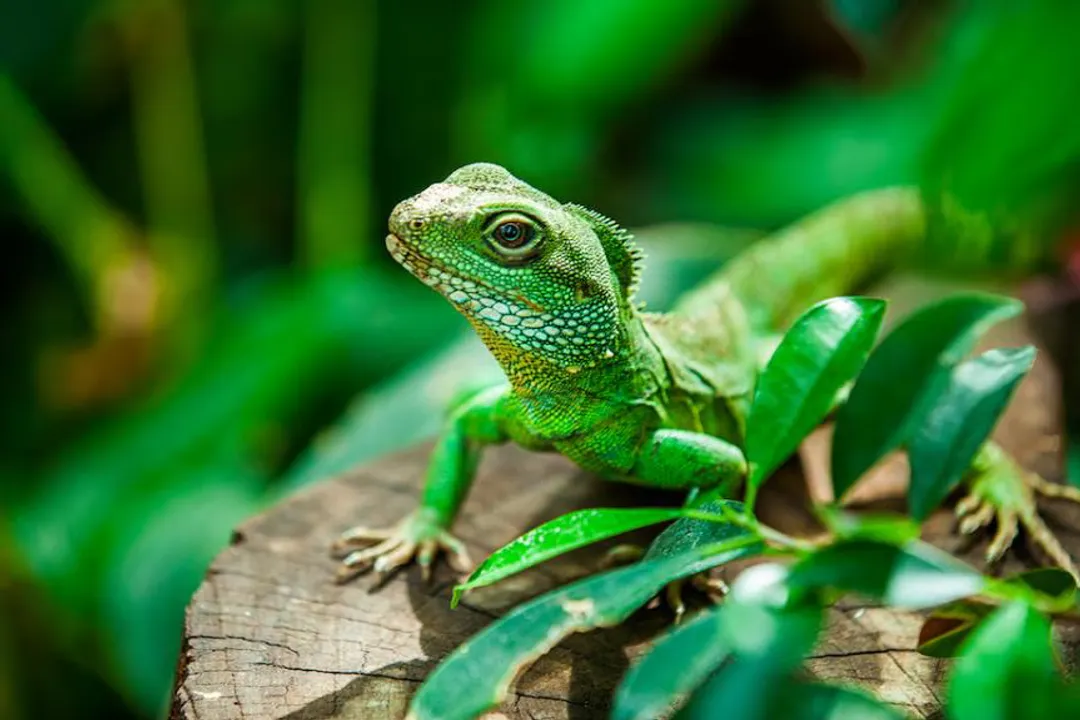
Determining the correct feeding amount relies heavily on observation of the dragon's physical condition rather than strictly counting prey items. A healthy water dragon exhibits a moderate, appropriate amount of fat stored in specific areas, namely along its back and the base of its tail. If keepers observe excessive accumulation of this fat in these regions, it serves as a clear visual indicator that the lizard is being overfed. Overfeeding is detrimental as it can lead to obesity, placing significant stress upon the lizard's skeletal structure over time, necessitating an immediate reduction in the quantity offered at subsequent meals.
Related Questions
What is the required feeding duration for gut-loading feeder insects before presenting them to a water dragon?Which specific greens are recommended for Adult Chinese Water Dragons, alongside squash or carrots?What critical rule governs the daily application of calcium/D3 supplements and multivitamins for water dragons?What frequency of feeding is generally suggested for fully grown adult Chinese Water Dragons?What indicates that a water dragon is potentially being overfed regarding its body condition?How does the role of vegetation in the adult diet differ between the Chinese Water Dragon and the Australian Water Dragon?What are the staple feeder insects generally recommended specifically for captive Chinese Water Dragons?Why is relying solely on gut-loaded insects considered insufficient for long-term water dragon health?What classification of prey items is appropriate for larger or adult Chinese Water Dragons, but should be offered less frequently than insect staples?How should keepers approach feeding fruit to a Chinese Water Dragon due to its sugar content?