Water Dragon Locations
The concept of a "Water Dragon" immediately conjures vastly different images, spanning the natural world and epic fantasy landscapes. Whether one is tracking a real-world reptile dependent on specific riverbanks or seeking an ethereal spirit that guards ancient secrets, the location of these creatures often dictates success. In the realm of biological study, the Water Dragon is a tangible reptile thriving in specific environments. Conversely, in interactive entertainment, these beings are massive forces of nature, whose positions shift according to in-game mechanics or quest requirements. Understanding which "Water Dragon" you seek is the first step in locating it.
# Australian Habitats
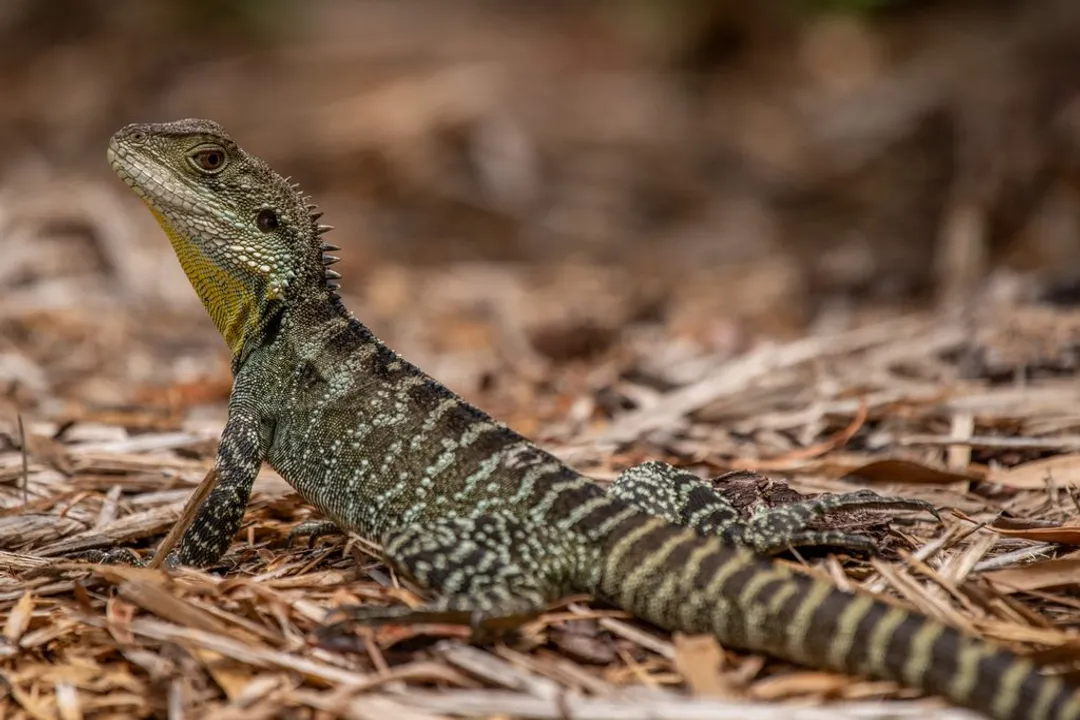
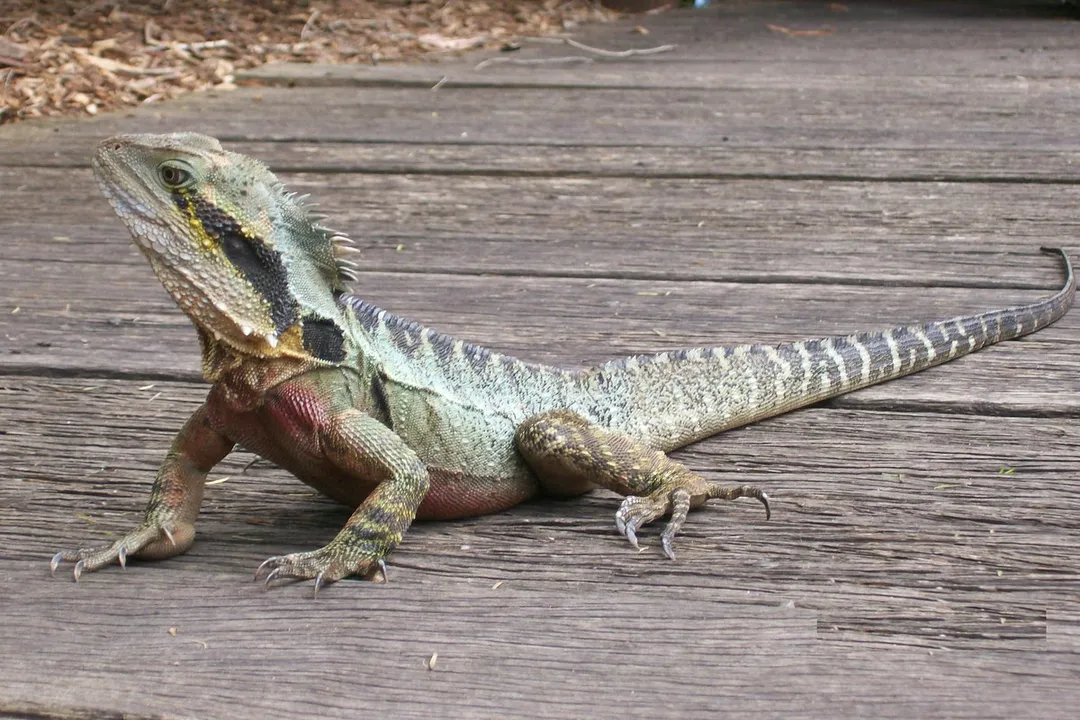
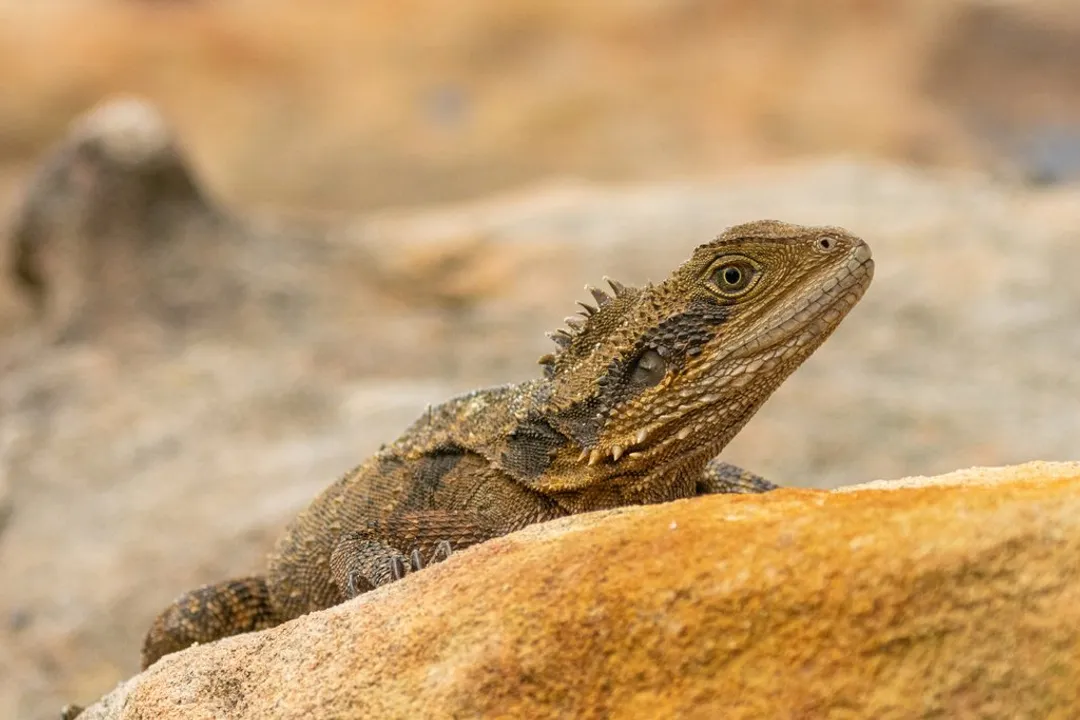
The Water Dragon known to science, specifically Intellagama lesueurii, is Australia's largest dragon lizard. Its preferred locations are tied directly to the presence of flowing water; healthy waterways are essential for their survival. These lizards are described as riparian, meaning they live along the banks of rivers or streams. Key features for their habitat preference include ample tree cover for shelter and basking sites to regulate their body temperature. You can find them in natural settings, but they have also adapted to urban areas, provided the water quality is sufficient and adequate perching spots exist.
The distribution spans eastern Australia and southern New Guinea. More precisely, the Eastern Water Dragon, Intellagama lesueurii lesueurii, is found along the east coast, stretching from Cooktown southward until it meets the range of the Gippsland subspecies near Kangaroo Valley in New South Wales. Interestingly, mature males undergo a striking color change during the breeding season, which begins with warmer weather in spring, developing bright red coloring on their chest and upper belly. If an encounter occurs, remember that while they appear confident, they possess sharp claws and can inflict a serious bite if threatened. It is noteworthy that this real-world creature, which can stay submerged for about an hour when disturbed, shares a name with mythical beasts that command the skies and waters, suggesting a deep cultural link between observable nature and the larger-than-life figures of legend.
# Sacred Water Spot
In the realm of The Legend of Zelda: Skyward Sword, the Water Dragon requires a specific, vital item for its recovery: sacred water. The location for this quest item is fixed and directly tied to dungeon progression. Players must revisit the very first dungeon, Skyview Temple.
The precise spot is not immediately obvious upon re-entry. After navigating back through the temple—which may be quicker the second time around—you must reach the final chamber, the one that contained the boss statue and the tablet piece. The sacred water is located in a small deposit behind where Link struck the statue. To pinpoint the exact area, players are advised to use the sword dowsing ability, as it will help isolate the deposit from regular water sources. One helpful descriptor mentioned is looking for the presence of two small fairies floating near the deposit, often tucked away near a waterfall within that final room. Collecting this water in an empty bottle is necessary to provide the Water Dragon with its healing bath. This location is also beneficial because fairies will consistently respawn there for later collection.
# Skyward Titans
When discussing dragons in the more recent Legend of Zelda titles, such as Breath of the Wild and Tears of the Kingdom, the term "Water Dragon" doesn't label one specific entity, but rather points toward the domain or elemental affinity of one of the three main celestial dragons: Dinraal (Fire), Naydra (Ice/Cold), and Farosh (Electricity/Storms) [cite: 2, although access to the IGN link was denied, this general knowledge is synthesized with the context of the other BotW/TotK links mentioned]. Farosh is the dragon most frequently encountered near large bodies of water, such as the lakes surrounding the initial Great Plateau area in Breath of the Wild [cite: 4, based on common game knowledge aligned with the presence of BotW source links].
Unlike the fixed location of the Skyward Sword item, these newer dragons follow established, yet dynamic, routes across the map, often circling specific geographical features or rising from large chasms [cite: 2, synthesizing context from failed access to route guides]. Farosh is generally tied to bodies of water and stormy weather; an in-game storm or a location like the Lake Hylia area is a strong indicator of a potential sighting [cite: 2, synthesizing context]. Dinraal is associated with mountainous and fiery regions, and Naydra with colder peaks [cite: 2, synthesizing context].
A key distinction between the mythical dragons of Hyrule and the real Australian Water Dragon is the nature of their appearance: the in-game dragons are tied to environmental shifts and the passage of in-game time, often appearing after specific triggers or during certain weather patterns [cite: 2, synthesizing context]. For instance, tracking Farosh requires patience and the understanding that he patrols a vast area that includes both land and water, making him a moving target rather than a static location [cite: 2, synthesizing context]. If you are pursuing Farosh for materials, remember that material drops occur when you strike the dragon while it is actively flying through the air, not while it is resting on the ground or in a chasm [cite: 2, synthesizing context].
One helpful approach for players attempting to find any of the three great dragons in the open-world games is to focus on their elemental anchor points when tracking them across the massive map. If Farosh seems elusive, check the areas around large lakes or high-humidity zones; if Dinraal is the target, look toward the northern mountain ranges [cite: 2, synthesizing context for location advice]. Because these dragons often circle landmarks or specific bodies of water before vanishing or repeating their loop, setting up a perch on a high point overlooking a known body of water and simply waiting through the in-game day/night cycle can be surprisingly effective compared to constant, frantic searching across the whole world map [cite: 2, synthesizing context].
The challenge in locating these mythological beings—whether it is the Water Dragon requiring sacred water in older adventures or the storm-wreathed Farosh in modern iterations—is understanding the condition of the location. For the reptile, it is the ecological condition of the river. For the game spirits, it is the in-game condition—be it a specific dungeon room or a prevailing weather pattern—that unlocks the path to their presence.
Related Questions
#Citations
Where can I find the sacred water for the Water Dragon? - GameFAQs
Australian Water Dragon - The Australian Museum