What environmental observation suggests a shift from surface herding to sub-surface corralling tactics in white bass?
Clearer water bodies potentially pushing zooplankton deeper.
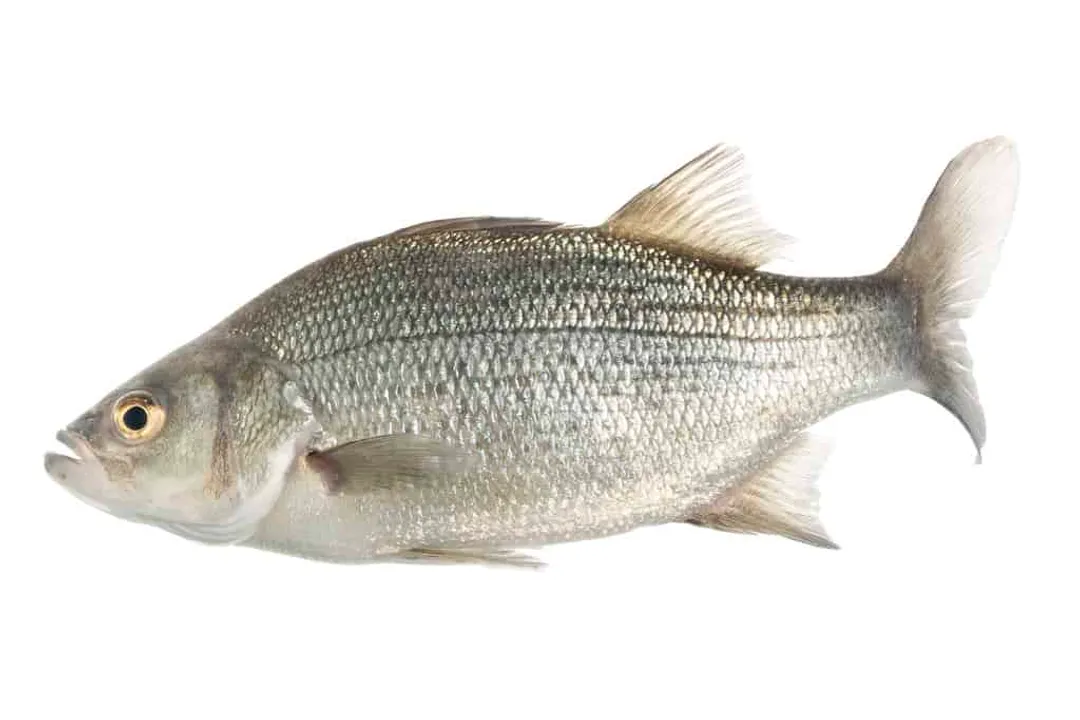
Behavioral evolution in response to contemporary environmental shifts is evident in the feeding habits of *M. chrysops*. Observations across various habitats, including Lake Erie and Missouri reservoirs, indicate that the classic behavior of explosively herding prey to the surface, sometimes termed 'the jumps,' is becoming less frequent. Biologists attribute this change to environmental factors such as reduced turbidity, resulting in clearer water. This clarity likely causes the zooplankton, which forms the base of the food chain for the small prey fish the bass target, to concentrate deeper in the water column. In response to maintain predatory efficiency, white bass are increasingly adapting by relating to forage deeper down, utilizing more sub-surface corralling techniques rather than surface breaches.