What environmental challenge represents the main vulnerability for the thick-coated Yakutian Laika?
Answer
Handling heat exposure
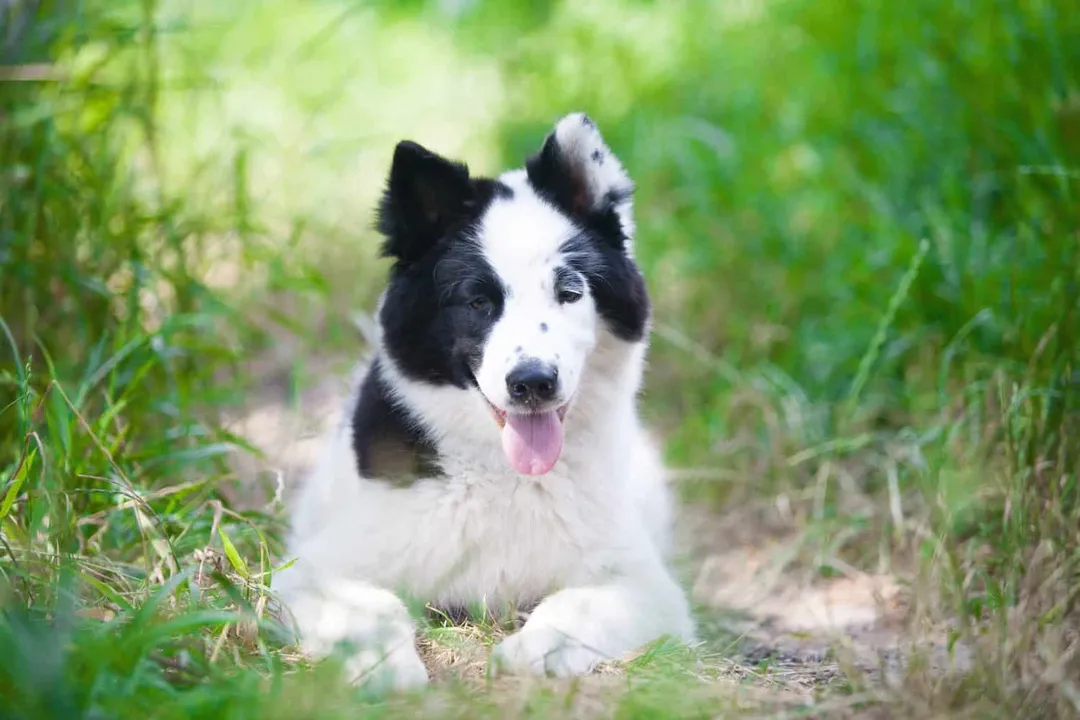
While the Yakutian Laika is legendary for its incredible hardiness and tolerance for extreme cold, including sub-zero Siberian winters, its physiology is poorly adapted to warmer conditions. Their thick, dense double coat, necessary for insulation against cold, makes heat management their primary vulnerability. Owners in temperate or warm climates must take proactive measures such as ensuring ample shade, providing continuous access to fresh, cool water, and strictly restricting activity during the hottest parts of the day to prevent distress, a scenario their ancestors never had to face in their native habitat.
Related Questions
What primary region encompassing Siberia is the native territory of the Yakutian Laika?What environmental challenge represents the main vulnerability for the thick-coated Yakutian Laika?Which major national kennel club currently does not offer recognition for the Yakutian Laika?What unique feature involving eye color is noted as one of the most striking characteristics of the Yakutian Laika?What two components comprise the thick, dense double coat essential for the Yakutian Laika's survival?What behavioral trait, rooted in their history as independent travelers, requires owners to establish clear, firm leadership?Besides pulling sleds, what were other original, diverse duties of the Yakutian Laika for the indigenous Yakut people?What distinguishing characteristic sets the Yakutian Laika's temperament apart from some other highly vocal northern breeds?When are the intensive grooming efforts required due to the Yakutian Laika shedding its undercoat?What necessity must prospective owners research regarding veterinary care for this relatively rare breed outside Russia?