What two distinct layers comprise the dense double coat optimized for thermal regulation in freezing Yakutian conditions?
Answer
A thick, soft undercoat and a coarser, weather-resistant outer layer
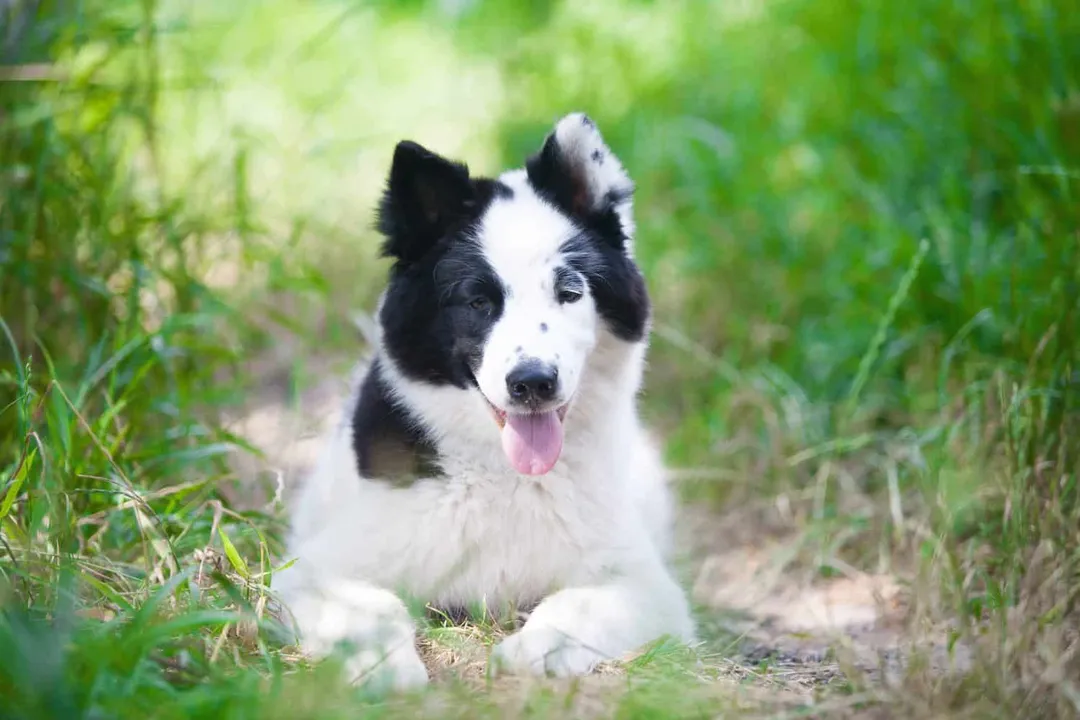
The defining feature enabling the Laika's survival in severe cold is its dense double coat, which is structurally optimized for maximum thermal regulation. This coat is composed of two separate layers. The first is a thick, soft undercoat whose primary function is to trap warm air close to the skin, creating a layer of insulation. The second layer is the coarser, weather-resistant outer coat, which serves the crucial purpose of repelling environmental elements such as snow and ice, thereby keeping the inner layers dry and effective in subzero temperatures.
Related Questions
From which Russian region does the Yakutian Laika originate where temperatures routinely plunge to minus 50 degrees Celsius?What two distinct layers comprise the dense double coat optimized for thermal regulation in freezing Yakutian conditions?What were the primary historical roles the Yakutian Laika served for the indigenous Sakha people?What standard warning is provided regarding the Yakutian Laika's suitability when relocated to warmer areas?Why is shaving the Yakutian Laika's double coat considered a dangerous mistake during heat management protocols?What is the reported stable body temperature the Laika maintains while battling lethal external cold?What mandatory adjustment must owners make regarding outdoor activity for a Laika in a warm climate?Besides insulating against extreme cold, what secondary protective function does the intact double coat provide in sunny climates?If the Yakutian Laika's needs for vigorous physical activity and mental stimulation are unmet due to weather restrictions, how might this manifest?What does successful keeping of a Yakutian Laika in a warm zone require of the owner regarding environmental modifications?