Yakutian Laika Scientific Classification
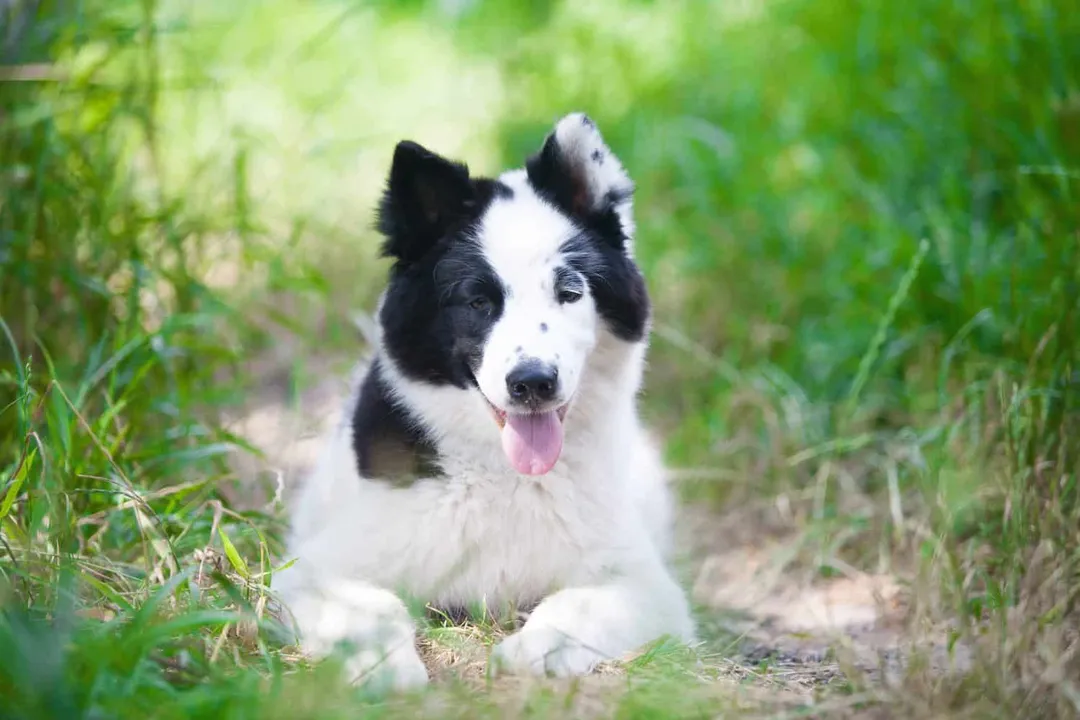
The Yakutian Laika stands as a testament to canine endurance, a breed forged over millennia in the extreme cold of Siberia's Yakutia region. To understand this remarkable animal is to place it accurately within the biological hierarchy—a process that bridges deep evolutionary history with modern kennel club standardization. Scientifically, the Laika fits squarely within the established taxonomy of the domestic dog, yet its origins and unique development path provide layers of context far richer than a simple binomial name suggests.
# Kingdom Family
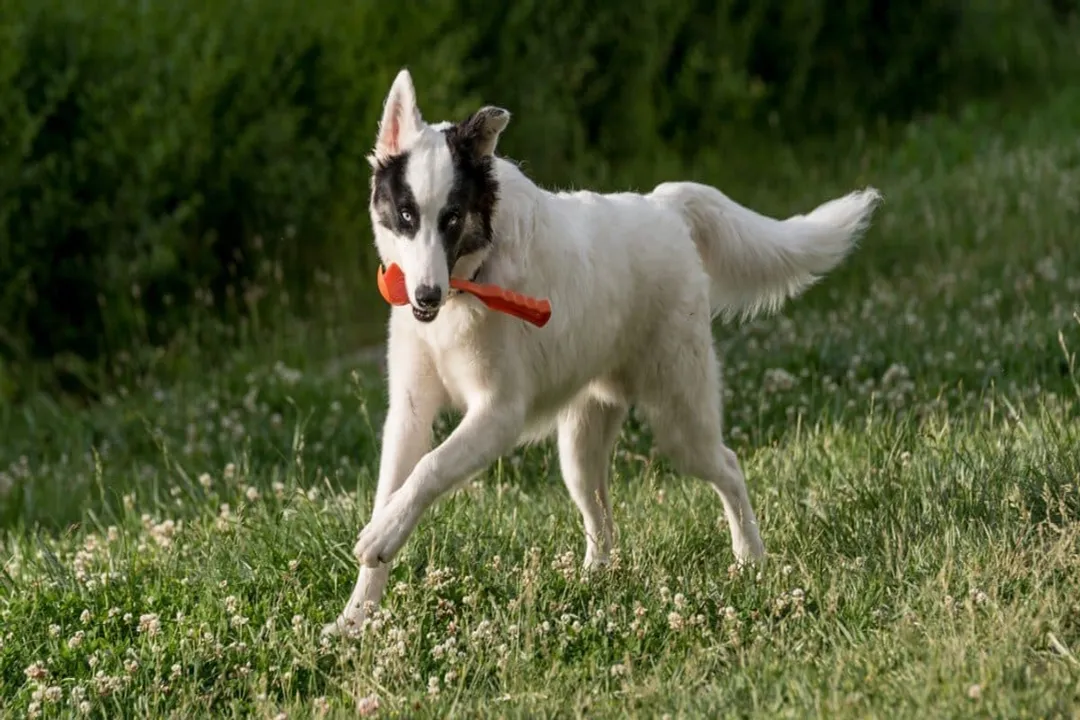
At the broadest level, the Yakutian Laika adheres to the classic classification of all dogs. It belongs to the Kingdom Animalia, meaning it is a multicellular, eukaryotic organism. Moving deeper, it occupies the Phylum Chordata, as it possesses a notochord at some stage of development, and the Class Mammalia, characterized by features like fur and the ability to nurse its young. The order it belongs to is Carnivora, signifying its predatory ancestry, and the family is Canidae, grouping it with wolves, foxes, and jackals.
Within the Canidae family, the Yakutian Laika is placed in the Genus Canis. The accepted scientific name for the domestic dog, and thus the Laika, is often cited as Canis lupus, recognizing its descent from the gray wolf, Canis lupus. The A-Z Animals source explicitly lists the scientific name as Canis lupus, assigning it to the classification hierarchy directly below the genus Canis.
# Domestic Standing
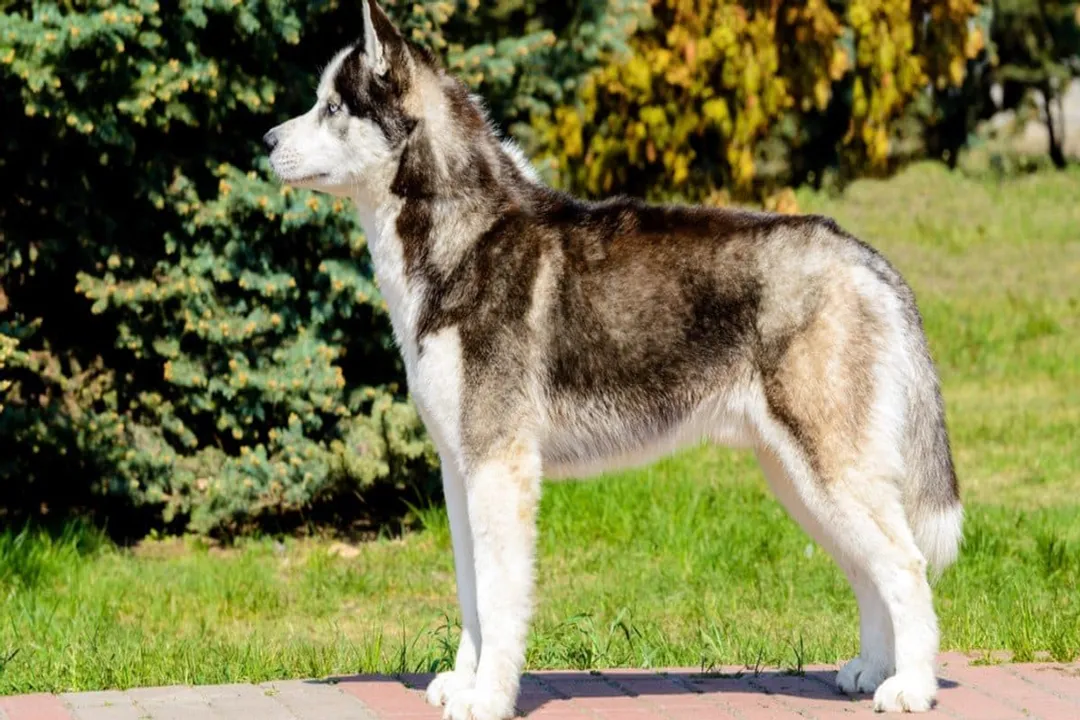
While Canis lupus denotes its species, the domesticated nature of the Yakutian Laika places it specifically as a subspecies, often recognized as Canis lupus familiaris. Unlike some wild canids, the Laika is intrinsically linked to human history, having been developed by the native Yakut people (also known as Sakha) for essential survival tasks such as herding reindeer, hunting, and hauling freight. Archaeological evidence underlines this ancient relationship, with sled and harness remains found alongside dog bones in Yakutia dating back 7,800 to 8,000 years, representing some of the earliest known evidence of human use of dogs for transport. The Yakut people refer to the breed in their language as "Sakha yta," simply meaning "Yakut dog".
# Laika Type
The term "Laika" itself offers a layer of classification based on function and type, rather than strict genetic lineage alone. "Laika" is derived from the Russian word meaning "bark" and is a generic name applied to various Russian sled dog breeds. This means the Yakutian Laika is part of a broader group that includes the East Siberian Laika, West Siberian Laika, Russo-European Laika, and others. While all are northern spitz-type dogs adapted to demanding environments, the Yakutian Laika has specialized, retaining rudimentary hunting and herding abilities but functioning predominantly as a sled dog. This distinction is crucial; while visually similar to its cousins, its specialized role in the harsh inland conditions of Yakutia suggests a separate evolutionary trajectory compared to dogs bred primarily for the maritime or western regions.
The breed’s formal establishment is quite recent, despite its ancient roots. It was officially recognized in Russia by the RKF in 2004, with subsequent inclusion in the FCI in 2017 and the AKC’s Foundation Stock Service in 2017. This recent formalization contrasts sharply with the centuries of functional, environmental selection it underwent.
The Yakutian Laika's classification journey illustrates a fundamental aspect of canine evolution: the chasm between a landrace and a standardized breed. The breed standard library presentation notes that these dogs worked alongside man since ancient times, with evidence dating back 12,500 years. The Yakutian Laika’s classification reflects its status as a true landrace—a population shaped by rigorous environmental pressures and utility for millennia—before formal bodies like the FCI or RKF formalized its structure and appearance. While recognition provides stability, the essence of its classification rests in its persistent utility across generations in Yakutia, rather than solely in a pedigree book. The description of dogs used for mail delivery in the 1800s, pulling significant loads over vast distances, further cements its classification as a durable working animal.
# Morphology and Genetics
The physical descriptions provided in breed standards give clues to the genetic adaptations that define this classification within the spitz group. The breed is required to have a thick, double coat—a necessity for survival in the severe continental climate of Yakutia, which features very cold winters and hot summers. The coat must be thick, glossy, straight, and coarse, with a dense undercoat to protect against the cold and insects in summer. This adaptation is a direct, observable consequence of the environment that selected its population.
Furthermore, the standard details specific proportions vital for its function as a marathon runner in harness, rather than a sprinter. For instance, the body length should exceed the height at the withers by 10-15%, and the chest must be broad, long, and deep to house the necessary heart and lung capacity for sustained work.
One interesting point to consider when placing the Yakutian Laika taxonomically is how its isolated development contributed to its distinct look compared to other Laikas. The skull is described as more rounded and voluminous than other Laikas, though less so than a Samoyed. This subtle morphological divergence, coupled with features like the commonality of blue eyes—a trait often rejected in neighboring Chukchi dogs—suggests a unique genetic pathway. This isolation in the vastness of Yakutia meant that the genetic drift selected for traits optimizing survival and function within that specific territory, carving out a distinct pocket within the larger Canis lupus grouping that kennel clubs are now racing to define. Blue eyes, which are present in the breed, are sometimes linked to mutations that have not been fully studied by science, further highlighting an ancient, localized divergence.
# Final Placement
Ultimately, the scientific classification of the Yakutian Laika settles firmly as Canis lupus familiaris. However, the true value in detailing its position goes beyond the Linnaean system. It is a distinct, ancient aboriginal breed recognized for its multipurpose capabilities, rooted in the survival strategies of the Indigenous Yakut people. While breeders and clubs now work to maintain standards—specifying heights between 53-59 cm and weights between 18-27 kg—these modern metrics are built upon a foundation of thousands of years of natural, working selection. This combination of deep history and recent formal recognition makes its taxonomic placement a rich study of domestication under extreme duress. The breed's official recognition by the FCI and RKF validates its distinct status, but its classification by heritage remains tied to the snows and rivers of Northeast Russia.
Related Questions
#Citations
Yakutian Laika Dog Breed Complete Guide - A-Z Animals
Yakutian Laika - Wikipedia
Dog Breed
[PDF] The Yakutian Laika - Breed Standard Library
All about Yakutian Laika breed - Animalia
Yakutian Laika - Dog Breed Information - American Kennel Club
Yakutian Laika -- Earthpedia animal
Yakutian Laika Dimensions & Drawings
Yakutian laika | DNA tests for your pets - Eurovetgene