Yakutian Laika Locations
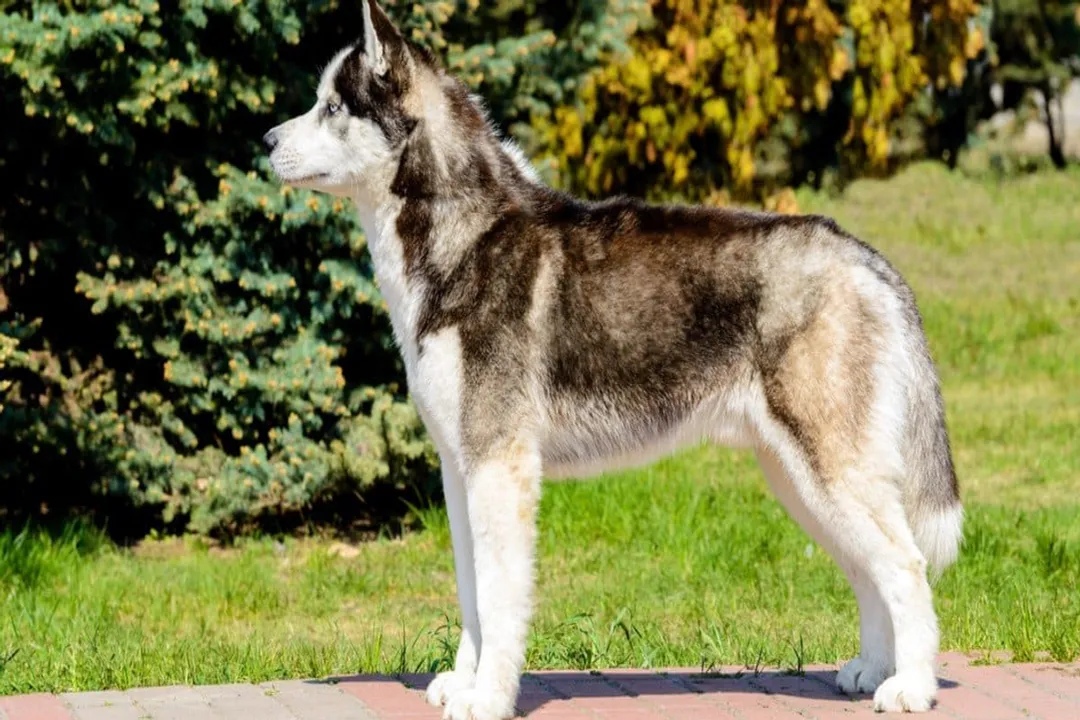
The Yakutian Laika is far more than just a beautiful Spitz-type dog; it is a living artifact of the extreme northern latitudes, fundamentally shaped by the immense, unforgiving geography of its homeland. To discuss the locations of the Yakutian Laika is to trace a millennia-long story written across the Siberian landscape, from the ancient ice of the Arctic coast to the modern show rings of international kennel clubs.
# Siberian Birthplace
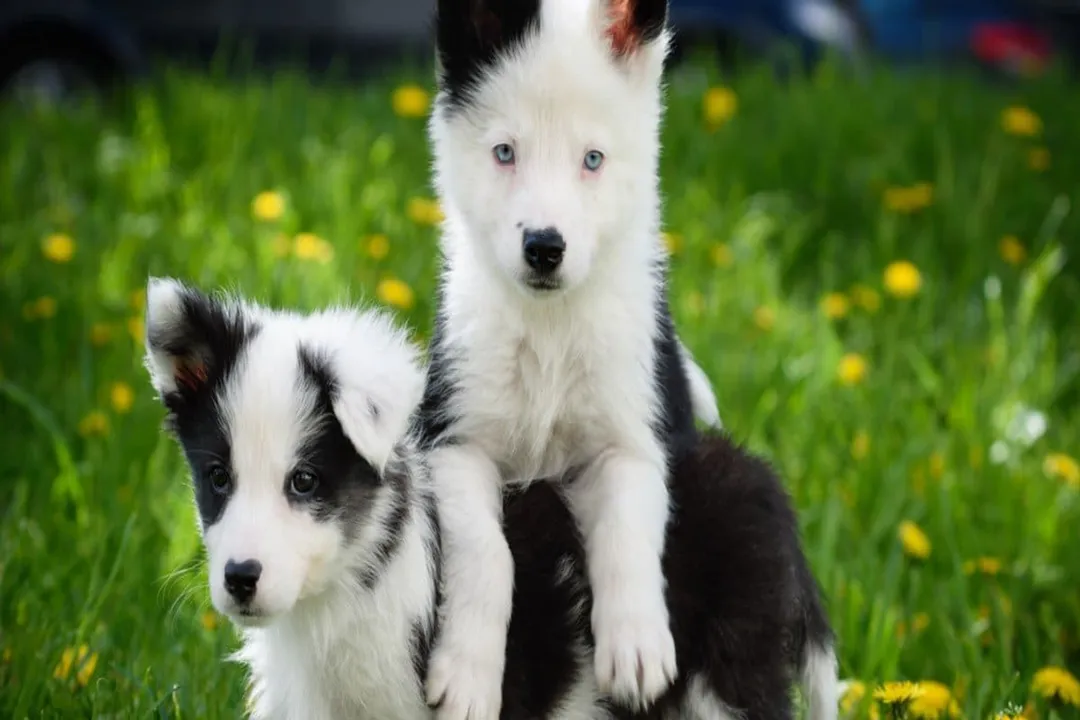
The undisputed heartland of the Yakutian Laika, or Yakut Laika as it is often known in Russia and Europe, is the Sakha Republic (Yakutia) in Northeastern Russia. [2][4] This region is defined by its harsh continental climate, featuring intensely cold winters and surprisingly hot summers, all spread across a territory of approximately three million square kilometers encompassing forests, mountains, tundra, and deserts. [3] It was within this challenging environment that the breed developed its legendary resilience and work ethic, becoming an indispensable partner to the native Yakut people. [1][2]
The connection between the Yakut people and these dogs is ancient, predating recorded history. Archaeological evidence points to a profound, functional relationship dating back as far as 12,500 years near the village of Tumat in Yakutia, where mummified puppy remains were discovered. [3][5] Even more critically for understanding their role as working animals, remains of sledges, harnesses, and dog bones were found on Zhokhov Island in the Novosibirsk Islands archipelago, dated between 7,800 and 8,000 years ago. [3][5] This site, recognized by the scientific journal Science, represents the oldest evidence anywhere of a person using a dog for transportation. [3][5] In a land where other draft animals were impractical or unavailable, the Laika became the primary mover for survival. [3]
# Naming Locations
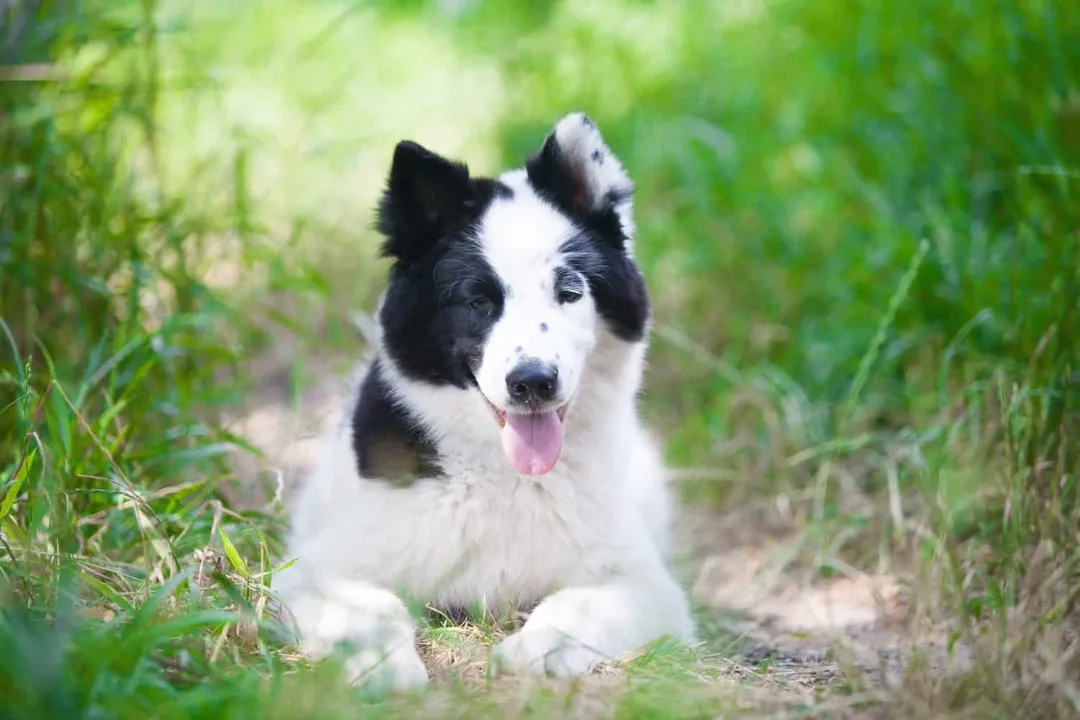
The breed’s historical locations are etched into its various names, illustrating its adaptation across different Siberian districts. Ethnographers and researchers have historically applied many names reflecting local geography or the indigenous groups encountered. [3] These names include Kolyma-Indigirka Laika, Anadyr, Alazeya, Anyui, Arctic, Yana, Okhotsk, Polar, and Pohodsk. [3] The term Laika itself simply derives from the Russian word for "bark". [5]
Early descriptions cemented these geographic ties. For instance, the first written references around the mid-1600s noted the division of rivers in the area into "Dog Rivers" and "Deer Rivers". [3][5] "Dog rivers" were those plentiful enough in fish to sustain the working sled teams, while "deer rivers" were used when fish were scarce, necessitating the use of reindeer instead. [3][5] This distinction shows that the Laika's very existence and utility were directly mapped onto the local ecology and resource availability of the Kolyma and Indigirka river systems. [3]
Historical accounts from the 19th century paint a vivid picture of the Laika's operational location. By 1839, up to 20 sledges, each pulled by about 10 dogs, were used in the Yakutsk region to carry heavy loads, sometimes running up to 140 versts (nearly 150 kilometers) a day on light rides between Yakutsk, Okhotsk, and Kamchatka for mail delivery. [3][5] Furthermore, data from the mid-19th century indicates that on rough, impassable roads, a team could cover around 10 km/h, but on established winter roads, they could manage 15–17 km/h. [3] These figures demonstrate that the breed's structural conformation—its endurance gait, which is characterized today as a brisk, economical trot—was honed by the necessity of covering vast, uneven distances over long durations to keep the northern settlements connected. [5]
# Decline and Revival Geography
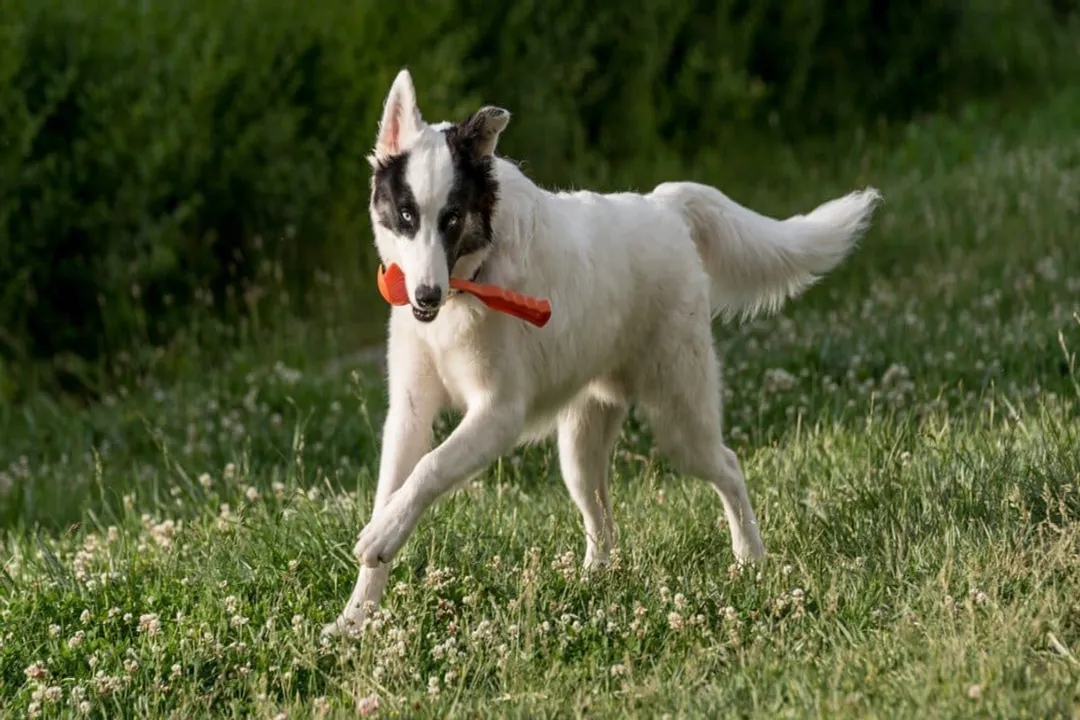
The primary location of the Yakutian Laika faced a severe demographic crisis starting around the 1950s and persisting through the 1990s. [1][2] The arrival of snowmobile technology, coupled with a decrease in fur hunting and local fishing—which directly impacted the ability to feed large kennels—significantly reduced the need for dog teams. [2][3] By 1998, the population reached an all-time low, nearing extinction. [4]
The geographical location of the breed’s rescue was, appropriately, centered back in Russia. In 1998, a determined group of Russian breeders and the Yakut Republican Association of Dog Breeders began a concerted effort to revive the stock. [2][3] They started by locating and bringing the first suitable specimens from the Far North to establish the modern breeding population. [3] This focused, localized effort culminated in official breed recognition by the Russian Cynological Federation (RKF) in 2004. [1][2] This dedication in their ancestral location ensured that their working traits and temperament would be preserved as the breed moved forward. [2]
# Global Footprint Recognition
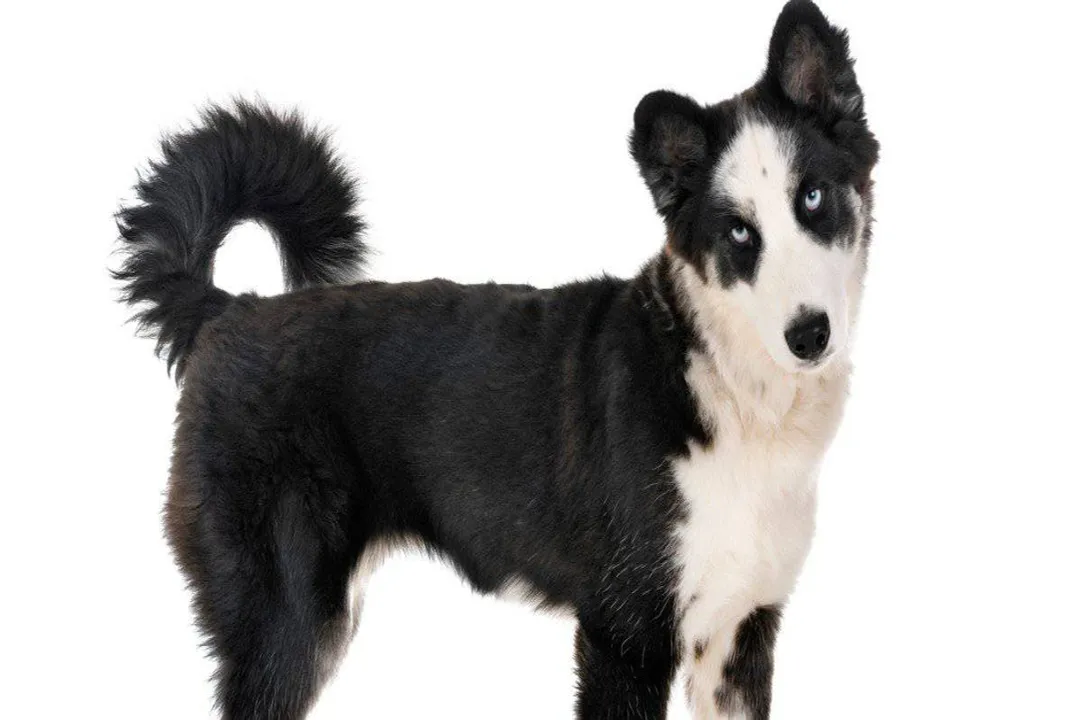
The story of the Yakutian Laika is no longer confined to the Siberian tundra; its current locations are marked by kennel club recognition across the globe, signaling its transition from a purely aboriginal working dog to a recognized purebred. [2][4]
The breed’s international expansion began gaining structure:
- FCI Recognition: The breed was added to the FCI (Fédération Cynologique Internationale) system in September 2019. [5]
- AKC Status (USA): In the United States, the breed was entered into the AKC Foundation Stock Service (FSS) in August 2017, and as of July 1, 2024, it became eligible to compete in the Miscellaneous Class. [2] It is estimated that around 200 Yakuts reside in the U.S. today, a number that is expanding. [2]
- CKC Status (Canada): The breed has also established itself in Canada, joining the Working Group as a Listed breed through the Canadian Kennel Club (CKC). [6] The initial importation of the founding pair occurred in 2016. [5]
It is fascinating to compare the timelines of this international establishment. While the breed was recognized in Russia in 2004, it took another 13 years for the first wave of establishment efforts to result in the AKC FSS listing in 2017, highlighting the significant time lag required for an aboriginal breed to standardize and gain footing outside its native environment. [2][5]
# Current International Distribution
Today, the geographical reach of the Yakutian Laika extends much further than just Russia, the U.S., and Canada. Enthusiasts and breeders are actively working to establish the breed in numerous other countries. [5] Sources confirm the presence of breeders in many nations throughout Europe, as well as in South and Central American countries, and in Australia. [5]
This global distribution presents a practical challenge that echoes the breed's historical needs. The original dogs were perfectly adapted to the extreme cold of the Arctic. [1] Owners outside of this native environment must be acutely aware that the thick, double coat, essential for surviving the fierce winters of the Sakha Republic, requires careful management during warmer seasons. [1] A practical consideration for any new owner, whether in a northern climate or a temperate one, is that the coat should never be shaved, as this removes the natural insulation necessary for regulating temperature in both extreme heat and cold. [6] This understanding of the coat's location-specific function—protecting against cold and heat/insects—is key to successful ownership far from Siberia. [3]
For those looking to bring this ancient Arctic worker into a modern home, recognizing its historical locations informs its needs. A dog whose ancestors lived outdoors, curled up in snow pits for warmth, and whose entire working existence was tied to the resources found along specific Siberian rivers, carries that deep programming within its temperament. [3] While they are now recognized globally, their "location" in terms of required lifestyle is still one that demands significant physical and mental engagement, mirroring the constant work ethic required by the Yakut people on the tundra. [6] They are not merely historical relics but energetic descendants requiring an active companion who appreciates the dedication required to thrive in the harshest of locales. [6]
The Yakutian Laika’s presence today is a study in contrasts: an ancient lineage thriving in new global locations, yet still entirely defined by the singular, relentless geography of its Siberian origin. [3][5] The journey from being an essential tool for survival on the Kolyma River to being a companion dog in a Western suburban home is a remarkable testament to the breed’s tenacity and the passion of dedicated preservationists across continents. [2][6]
Related Questions
#Citations
Yakutian Laika History: Where the Breed Originated
Yakutian Laika Dog Breed Complete Guide - A-Z Animals
[PDF] Yakutian Laika breed history
Meet the Yakutian Laika | CKC
All about Yakutian Laika breed - Animalia
[PDF] The Yakutian Laika - Breed Standard Library