Yakutian Laika Facts

The Yakutian Laika, a breed steeped in the harsh realities of the Russian Arctic, is far more than just a picturesque spitz-type dog; it is a living piece of Siberian history. Originating in the vast and unforgiving region of Yakutia (also known as the Sakha Republic), these canines were indispensable companions to the indigenous Yakut people for centuries. Their primary roles revolved around the demanding tasks necessary for survival in extreme cold: pulling sleds over immense distances, aiding in the hunting of various game, and even assisting in the herding of reindeer. This history of constant, demanding work is intrinsically linked to nearly every aspect of the breed’s nature and physical structure today. While they are recognized by the Russian Kynology Federation (RKF), their international recognition is still developing, meaning prospective owners often encounter them through dedicated enthusiasts rather than established kennel club mainstream presence.
# Appearance Standards
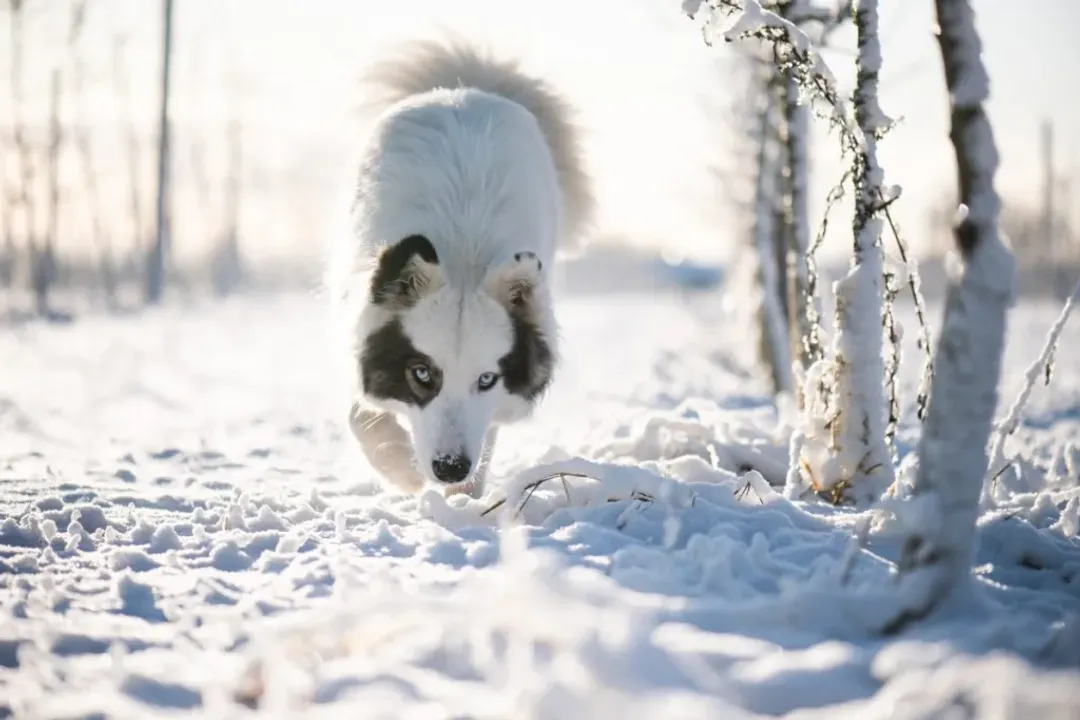
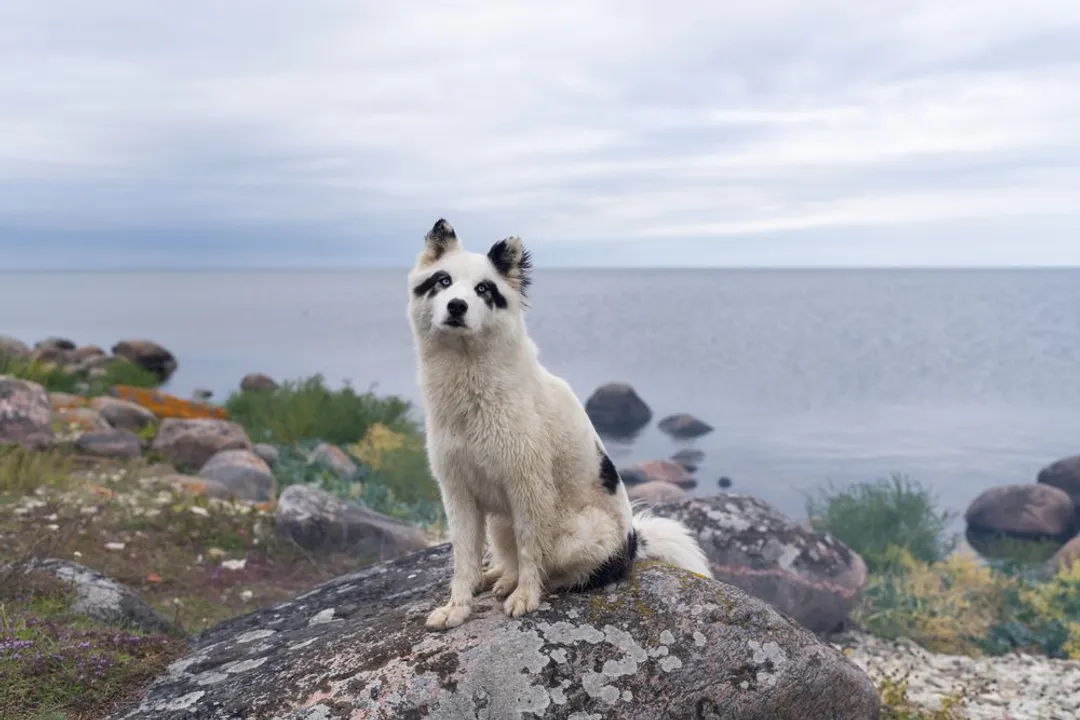
The physical presentation of the Yakutian Laika speaks directly to its environmental heritage. They are classified as a medium-sized dog, though size can vary between individuals. Both males and females generally stand at a height between 20.5 to 23.5 inches at the shoulder, with weight typically ranging from 44 to 66 pounds, though slight deviations are common depending on their specific working lineage.
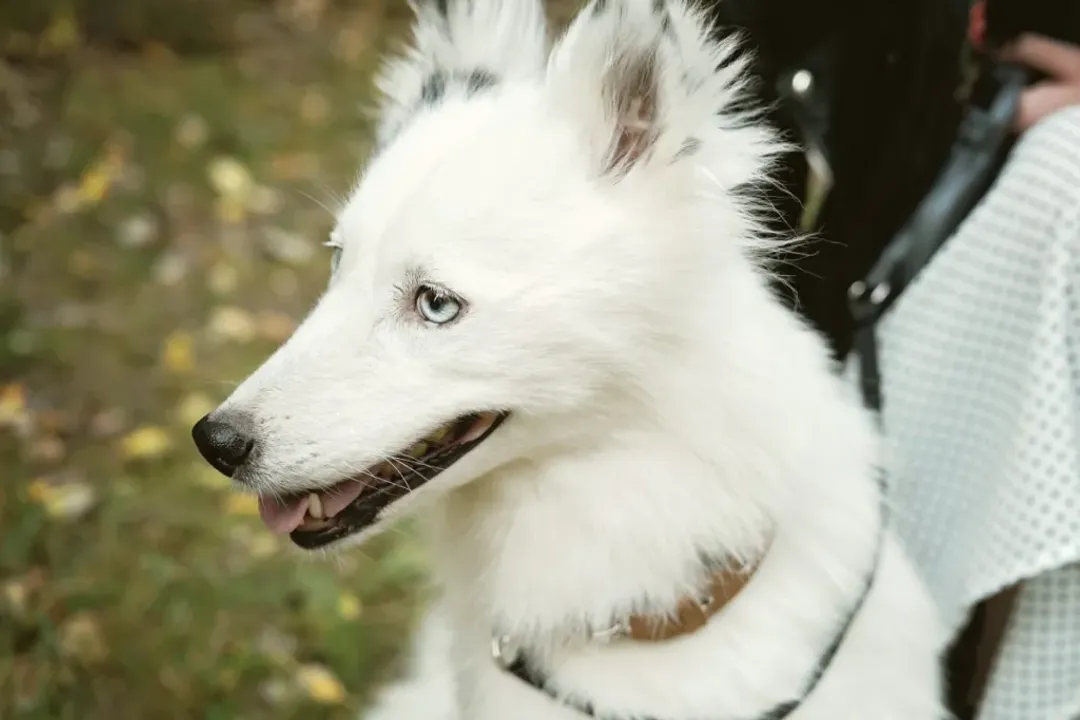
Perhaps their most striking feature, and one that immediately sets them apart from many other spitz breeds, is their eye coloring. The Laika frequently exhibits heterochromia, meaning they can have two different colored eyes, or simply eyes that are shades of blue, brown, or amber. This trait is so prevalent that it is often sought after by breeders and admired by enthusiasts.
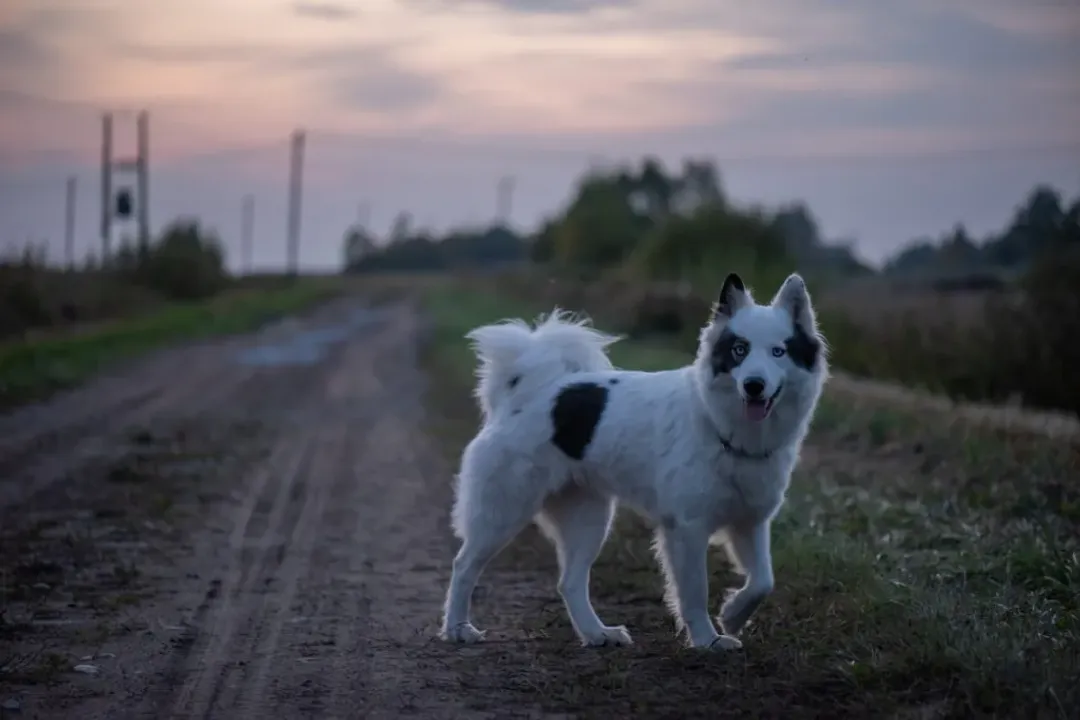
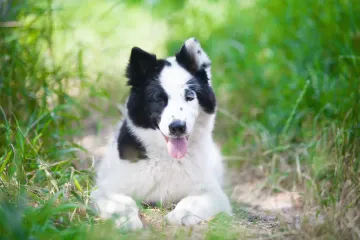
Their coat is a testament to the need for insulation against temperatures that can plummet far below freezing. The Yakutian Laika possesses a dense, well-developed double coat. The undercoat is soft and thick, providing the essential thermal barrier, while the outer coat is somewhat harsh and straight. This dual-layer protection is critical for their survival in their native environment. Acceptable colors are quite broad, ranging from solid colors like black, white, or brown to piebald patterns where white is mixed with any other color. Their ears are characteristically erect and triangular, positioned high on the head, and they carry a tail that is typically curled over their back or held in a sickle shape. A comparison with other Nordic breeds often highlights the Laika's slightly more moderate stature compared to some larger sled dogs, positioning them as versatile all-rounders rather than specialists in sheer pulling power.
# Temperament Traits
The temperament of the Yakutian Laika reflects a balance between an intense working drive and a naturally companionable disposition. Bred for cooperation with humans over many generations, they are generally known to be friendly, devoted, and intelligent dogs. They form very strong bonds with their families, which makes them excellent companions, particularly where children are involved, as they tend to be patient and tolerant.
However, understanding their intelligence is key to successful ownership. They are problem-solvers by nature, a necessary trait for an animal expected to navigate complex wilderness tasks. This intelligence means they are quick learners, but it also means they can quickly become bored if not mentally stimulated. This mental acuity demands more than just physical exhaustion; they require tasks that engage their minds. A subtle but important observation for a prospective owner in a suburban or urban setting is recognizing this history: A Laika whose instincts are not directed toward an appropriate outlet—be it advanced obedience, scent work, or complex puzzle toys—may redirect that energy into destructive behaviors within the home.
They are naturally alert and make reliable watchdogs. They will certainly bark to announce the presence of strangers or unusual activity, which is a carryover from their historical role of guarding camps and herds. Despite this alertness, they are generally not known for inherent aggression toward people, especially if well-socialized from a young age. Their willingness to work alongside people, rather than strictly for them in the rigid sense, means they possess a degree of independence. This trait surfaces as a stubborn streak in training, requiring consistency and positive reinforcement rather than harsh correction.
# Care Requirements
Caring for a Yakutian Laika means respecting their history as a hardy, active working animal. They are not suited for a purely sedentary lifestyle, even if they might relax indoors after their needs are met.
# Exercise Needs
The physical demands placed on the Laika by their Arctic past translate directly into high exercise requirements in a modern setting. They need significant daily activity to remain physically and mentally sound. Simply walking around the block will likely be insufficient to satisfy a breed that evolved to run long distances over snow and tundra. Owners must commit to activities that allow for periods of intense exertion, such as long jogs, hiking, or engaging in dog sports.
# Grooming Routine
The breed's luxurious double coat requires dedicated attention, particularly during seasonal changes. While they are clean dogs overall, they do undergo heavy shedding periods, often referred to as "blowing coat," typically twice a year. During these times, the undercoat sheds in large clumps and requires thorough, frequent brushing with appropriate tools to prevent matting and excessive shedding inside the home. On a day-to-day basis outside of these heavy periods, regular brushing helps distribute natural oils and keeps the coat healthy. It is interesting to note how this thick insulation, which prevents frostbite in -50°C Yakutian winters, can sometimes lead to overheating if the dog is over-exercised during hot, humid summers in milder climates. Owners in warmer regions must be exceptionally mindful of exercise timing, prioritizing early mornings or late evenings to prevent heat exhaustion.
# Health Profile
Generally speaking, the Yakutian Laika is considered a relatively healthy breed with a lifespan usually quoted between 10 and 14 years. As they are a less common breed outside their native region, comprehensive, large-scale epidemiological studies might be less available than for more established breeds. However, like many medium to large, active dogs, they can be prone to certain orthopedic conditions common to the spitz group or highly active working breeds, such as hip or elbow dysplasia. Responsible breeders will screen for these conditions, but potential owners should remain vigilant regarding mobility as the dog ages. Their rugged background suggests a natural hardiness, but routine veterinary care remains essential.
# Training Dynamics
Training a Yakutian Laika requires a specific approach tailored to their intelligence and independent nature. They are not typically dogs that respond well to punitive or repetitive, mind-numbing drills. Their working heritage means they prefer training that has a purpose and engages their problem-solving skills.
# Building Early Bonds
Early socialization is non-negotiable for this breed. Because they are naturally alert and bond so closely with their primary family unit, introducing them to a wide variety of sights, sounds, people, and controlled, positive social situations during puppyhood is crucial. This early exposure helps ensure that their natural wariness toward strangers does not develop into undue suspicion or anxiety.
# Positive Reinforcement
Success in training this breed hinges on positive reinforcement methods. Since they are independent thinkers, they need to see the benefit of performing a requested action. Using high-value rewards—whether that is a favorite treat, enthusiastic praise, or a short burst of playtime—works far better than confrontation. Training sessions should be kept relatively short and engaging to match their attention span, which can wander if the task becomes too monotonous. Introducing varied exercises, such as making them work for their food by using puzzle feeders or incorporating basic agility skills into their daily routine, serves the dual purpose of satisfying their exercise needs and channeling their cognitive drive. This integration of mental work into daily life is a practical adaptation for owners who must balance a demanding breed with modern schedules.
# Living with the Laika
Deciding to bring a Yakutian Laika into a home involves a serious commitment to meeting their high physical and mental requirements. They thrive best when they have a clear job to do, even if that job is simply being the family's dedicated shadow and active participant in all outdoor pursuits.
Their adaptability to climate is notable, but requires management in non-Arctic settings. They manage cold exceptionally well due to that thick double coat. Conversely, providing adequate cooling and ventilation during warmer months is a primary concern for owners living in temperate or hot regions. They should never be left outside unattended in excessive heat, nor should they be expected to work or exercise strenuously during the hottest parts of the day.
In a family structure, they generally integrate well, showing loyalty and affection. It is important, however, to remember that their history involves living in close proximity to their humans as co-workers, not just as pets tethered outside. They desire inclusion in family activities. An owner looking for a calm lap dog that requires minimal engagement will likely find themselves frustrated with the Laika's inherent energy and need for purpose. Conversely, an active family who enjoys hiking, running, or working on complex training projects will find few more dedicated and willing partners than this Siberian native. Their devotion is earned through shared experience and consistency.
Related Questions
#Citations
Yakutian Laika - Dog Breeds - American Kennel Club
Yakutian Laika
Yakutian Laika: Dog Breed Characteristics & Care
Yakutian Laika Breed Info
Yakutian Laika Dog Breed Information & Characteristics
All about Yakutian Laika breed
Yakutian Laika Breeds
Yakutian Laika | Dog Breed Facts and Information
Yakutian Laika: Your Complete Guide