What are the health issues with the Yakutian Laika?
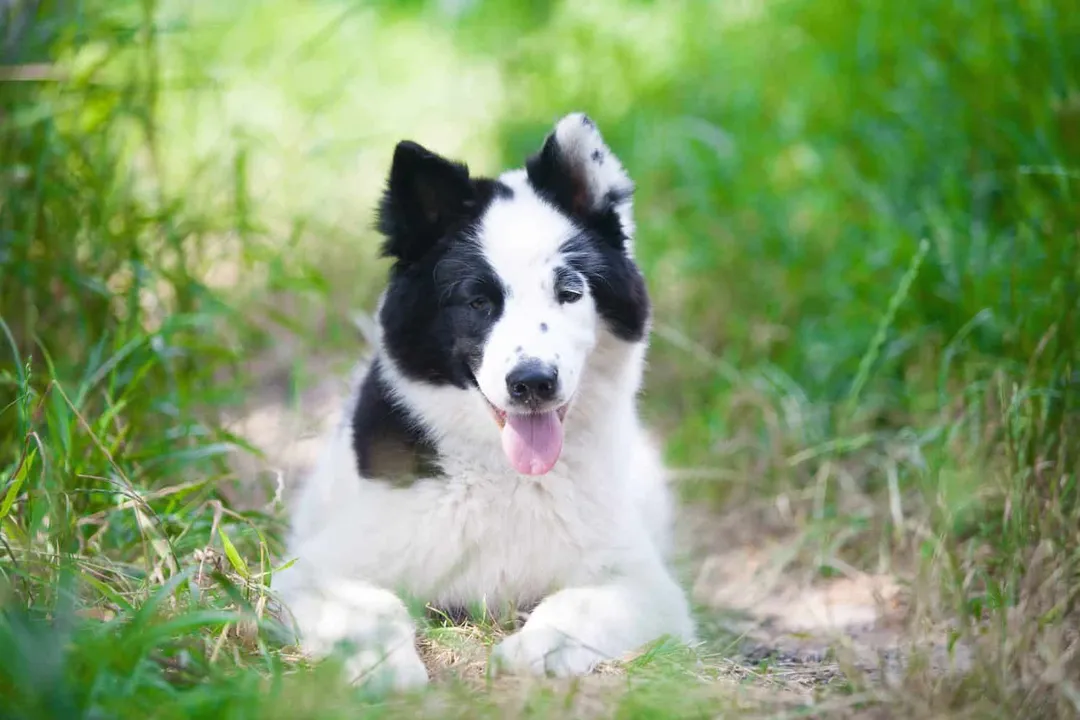
The Yakutian Laika, a sturdy dog originating from the far reaches of Siberia, is often celebrated for its endurance and resilience in extreme cold, suggesting a naturally robust constitution. [2][7] These dogs were selectively bred over centuries to perform demanding work as sled dogs and companions in the harsh Yakutian climate, meaning traits conducive to survival and sustained physical output were prioritized by their original human caretakers. [2][9] Consequently, when discussing their health, it often centers less on a long list of debilitating, breed-specific diseases, and more on general orthopedic and inherited conditions common to many active Northern breeds. [4] Generally, the breed is considered quite healthy, with owners often noting fewer chronic issues compared to some breeds developed solely for looks rather than function. [7]
# General Health
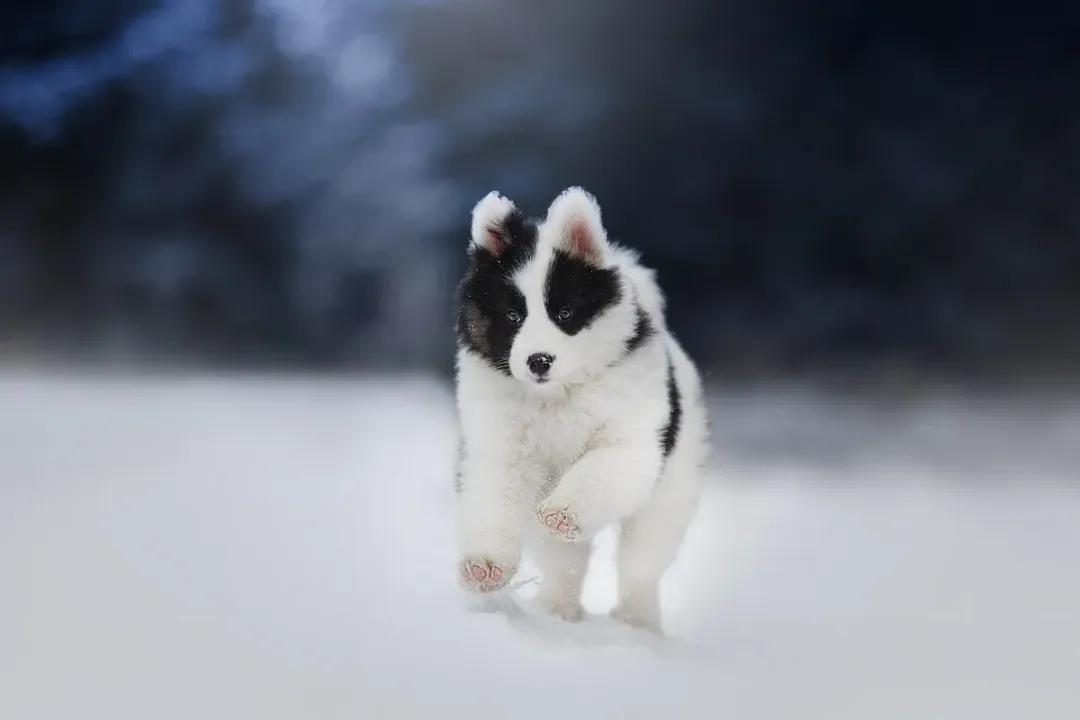
The typical lifespan for a Yakutian Laika generally falls between 10 to 14 years. [2] While this range is comparable to many medium-to-large breeds, their working heritage implies that longevity is often tied to maintaining a high level of physical conditioning throughout their lives. [7] Unlike some breeds whose primary health concerns stem from extreme physical alterations (like very short muzzles or exaggerated features), the Laika's structure remains functionally sound for its intended purpose. [2]
However, "hardy" does not equate to "immune" to health problems. Responsible ownership always involves being aware of potential genetic predispositions, regardless of how infrequently they manifest in the general population. [4] Owners of this breed should look beyond the typical vaccination schedule and consider the breed's historical context when managing their dog's well-being. Given their background in the often sparse environment of the Sakha Republic, their overall health is closely linked to their functional fitness; a dog struggling with chronic joint pain or breathing difficulties would have been less effective as a sled dog, suggesting a degree of natural selection favored robust health, though this reality does not negate modern kennel risks. [2][7]
# Skeletal Concerns
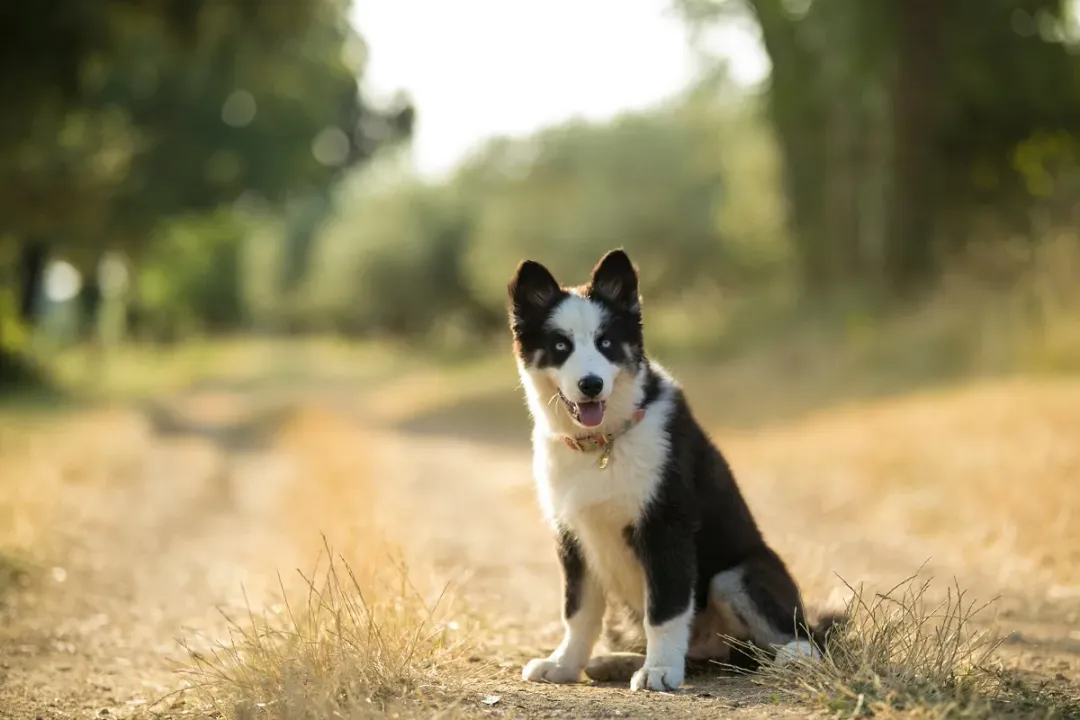
One area that warrants attention, even in a physically capable breed like the Yakutian Laika, involves the joints and skeletal structure. [4] As a medium-to-large working dog, they are susceptible to the orthopedic issues that affect many relatives in the Spitz family and sled dog groups, most notably hip and elbow dysplasia. [8]
Hip dysplasia involves the abnormal formation of the hip joint socket, leading to instability, pain, and eventually, arthritis. [4] While not guaranteed, responsible breeders will screen their breeding stock to minimize this inherited risk. [8] Elbow dysplasia is another structural issue that can manifest, often causing lameness in the front legs of young dogs. [4]
When evaluating a potential breeder, understanding what health screenings they perform is key. A trustworthy source will provide documentation of evaluations for common orthopedic issues. [8] It is often helpful for prospective buyers to compare the testing protocols recommended for the Laika against those required for similar Nordic breeds.
| Condition | Screening Body (Common for Active Breeds) | Focus Area | Importance Level |
|---|---|---|---|
| Hip Dysplasia | Orthopedic Foundation for Animals (OFA) | Hips | High [4][8] |
| Elbow Dysplasia | OFA | Elbows | High [4][8] |
| Patellar Luxation | OFA or local equivalent | Knees | Moderate |

# Eye Health
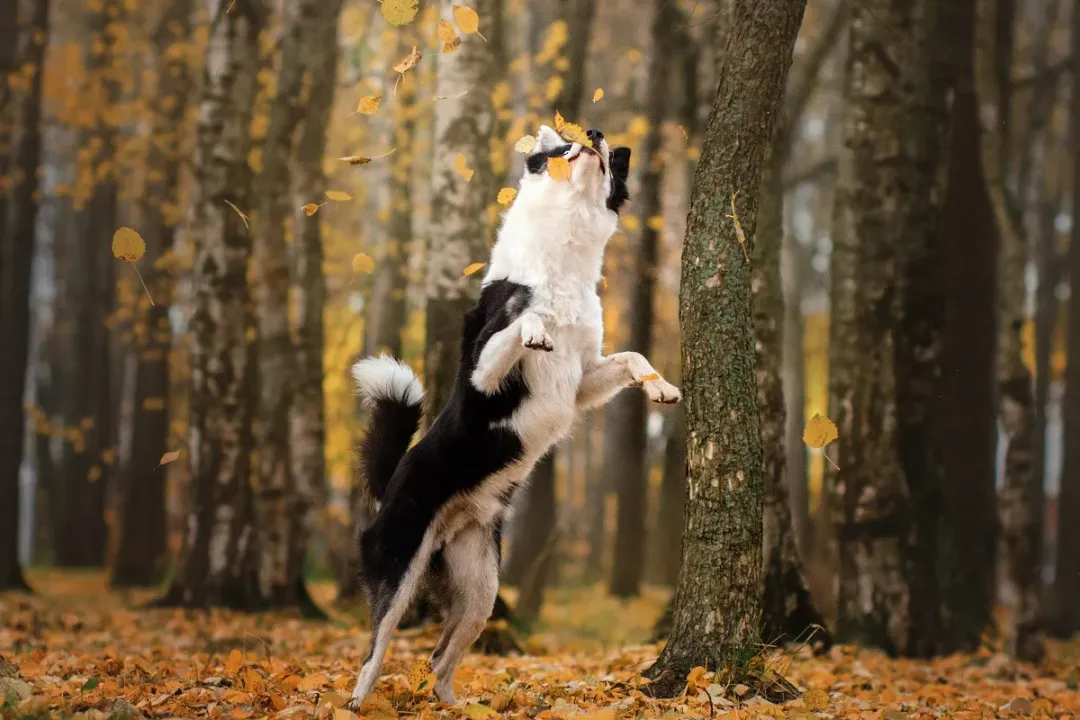
Eye conditions represent another category of inherited disorders that conscientious breeders aim to eliminate through testing. [8] While the specific frequency in the Yakutian Laika breed might not be widely documented compared to breeds with longer established international breed clubs, general veterinary guidelines suggest screening for several conditions common in northern dogs:
- Progressive Retinal Atrophy (PRA): This is a degenerative eye disease that slowly causes blindness. [8] Dogs bred with this condition will eventually lose their sight. Genetic testing or regular eye examinations are crucial preventative measures. [8]
- Cataracts: The development of clouding in the lens of the eye, which can occur at various ages. Reputable breeders should ensure their breeding stock has current eye clearances from a veterinary ophthalmologist. [8]
For prospective owners researching breeders, checking whether the parents have undergone full breed-specific health clearances—not just generic vet visits—is paramount. Since the breed is less globally standardized than some other types, reputable breeding practices become even more vital to preserving the breed's generally good health profile. [1][8]
# Temperament and Sensitivities
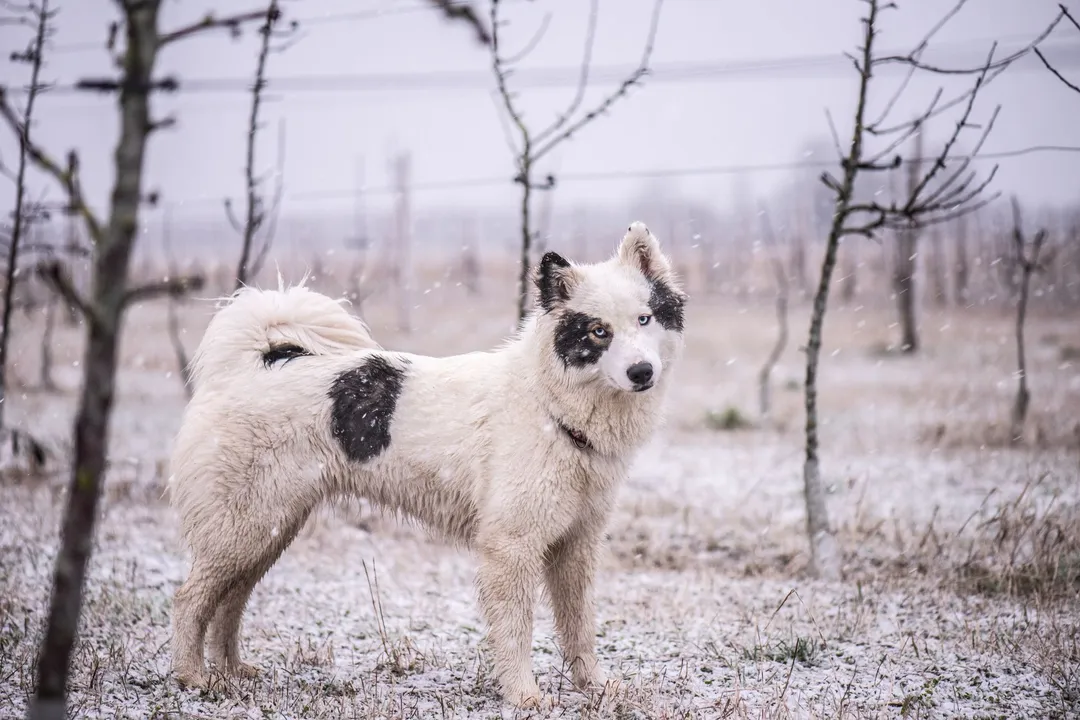
While not strictly a physical ailment, sensitivity to environment or specific management needs can impact a dog's long-term health and happiness. The Yakutian Laika is a highly intelligent and active breed requiring substantial mental and physical engagement. [7] A dog kept in a wholly sedentary home environment, without adequate stimulation, may develop destructive habits or even stress-related health issues over time. [2][7]
These dogs possess a dense double coat built for insulating against severe cold. [5] This requires significant grooming, particularly during seasonal sheds, which usually occur twice a year. [5] While they are not considered hypoallergenic, proper coat maintenance prevents matting, which can lead to skin infections or parasites hiding unnoticed. [6]
Furthermore, due to their origins where the environment was the primary determinant of survival, these dogs tend to be quite self-sufficient. This means they may not always readily show signs of pain or illness—a classic canine trait amplified in a tough working breed. [2] Owners must be observant of subtle changes in behavior, appetite, or gait, as the dog may mask discomfort until the issue is quite advanced. [7] Paying close attention to their eating habits and energy levels day-to-day gives you a baseline against which to measure any deviation, which is often the first sign of trouble in a stoic breed like this.
# The Importance of Health Testing
For any purebred dog, health testing is a cornerstone of responsible ownership and breeding, and the Yakutian Laika is no exception. [8] Genetic testing panels are available to screen for known markers of disease. [1] While the list of required tests for the breed is evolving as the breed gains recognition in different registries, focusing on those common to Spitz types provides a good starting point. [8]
When a breeder participates in recommended health evaluations, they are actively working to decrease the incidence of heritable diseases in their lines. [8] This commitment extends beyond immediate puppy health and contributes to the overall welfare of the breed population for decades to come. [4] When acquiring a puppy, asking for proof of health clearances for the sire and dam for conditions such as hip and eye issues demonstrates an owner's commitment to a healthy future for their dog. [8] This diligence is an investment that often saves significant emotional and financial strain later on.
Related Questions
#Citations
Yakutian Laika - Dog breed genetic test - Koko Genetics
Yakutian Laika Dog Breed Complete Guide - A-Z Animals
I wanna talk about health testing in these rare breeds! The Yakutian ...
Yakutian Laika Dog - American Breeder
Allergy to Yakutian Laika 101: Factors & Overview - Curex
Yakutian Laika: Dog Breed Characteristics & Care - The Spruce Pets
Yakutian Laika: Dog Breed Characteristics & Care - Dial A Vet
#1 Guide to Health Testing — Yakutian Laika | Good Dog
Yakutskaya Laika: appearance, price, character | zooplus Magazine