Can Yakutian Laikas tolerate hot weather?
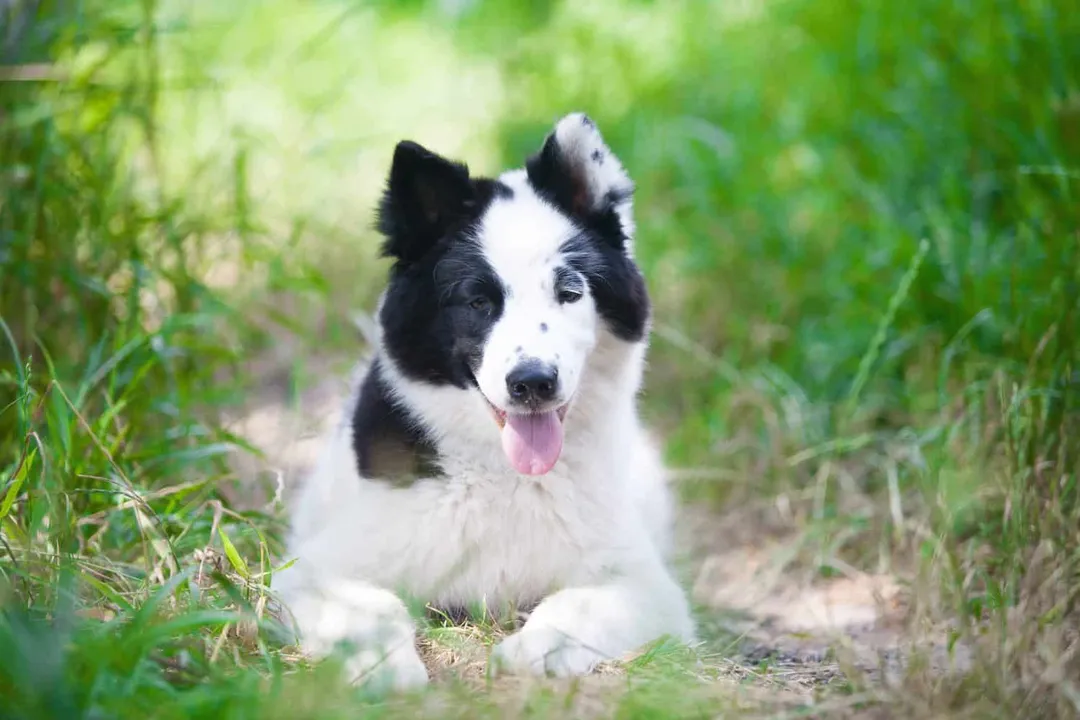
The Yakutian Laika is a breed intrinsically linked to one of the coldest inhabited places on Earth, raising immediate questions for prospective owners living in milder or warmer zones. Hailing from the Sakha Republic, or Yakutia, in Russia, these dogs were forged by the indigenous Yakut people to survive and work in an environment where temperatures routinely plunge to extreme lows, sometimes hitting minus 50 degrees Celsius. [2][5] Their entire physical makeup, especially their coat, is optimized for a world of ice and snow, making the subject of their heat tolerance a crucial consideration for anyone outside their native Siberian tundra.
# Northern Origin

The history of the Yakutian Laika spans millennia; some researchers believe the breed may be related to wolves whose remains date back 40,000 years in the region. [2] For centuries, these dogs were indispensable partners to the Sakha people, fulfilling vital roles in transportation, hunting, and herding reindeer. [2][4] As sled dogs, they were essential for moving goods across icy terrain, even serving in mail delivery routes by the 1800s. [4] This deep heritage in an unforgiving climate means their biology prioritizes retaining heat over shedding it efficiently.
# Insulation Factor
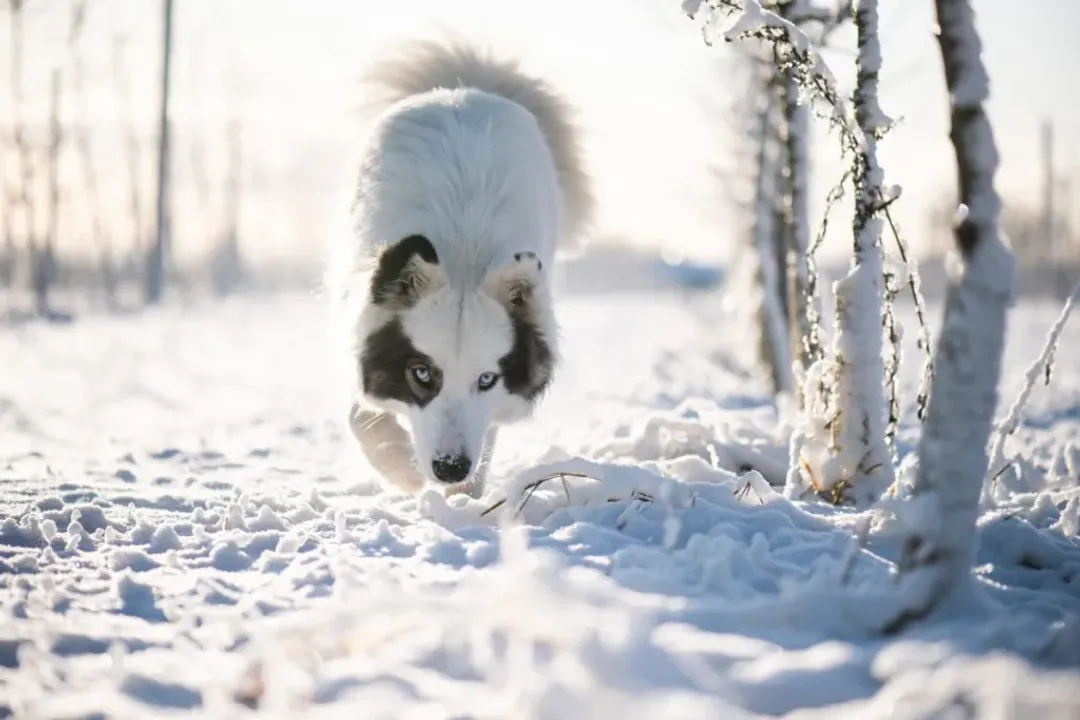
The key feature defining the Laika’s relationship with temperature is its dense double coat. [1][2] This coat consists of two distinct layers designed for maximum thermal regulation in freezing conditions: a thick, soft undercoat that traps warm air close to the skin, and a coarser, weather-resistant outer layer that repels snow and ice. [1][2][5] This specialized insulation allows the dog to maintain a stable body temperature, reportedly around 38 degrees Celsius, even when battling lethal external cold. [5] Furthermore, these dogs are built to be active, with high energy levels making them excellent workers, which translates to a need for robust physical defenses against the elements they were bred to combat. [2][4]
# Temperature Stress
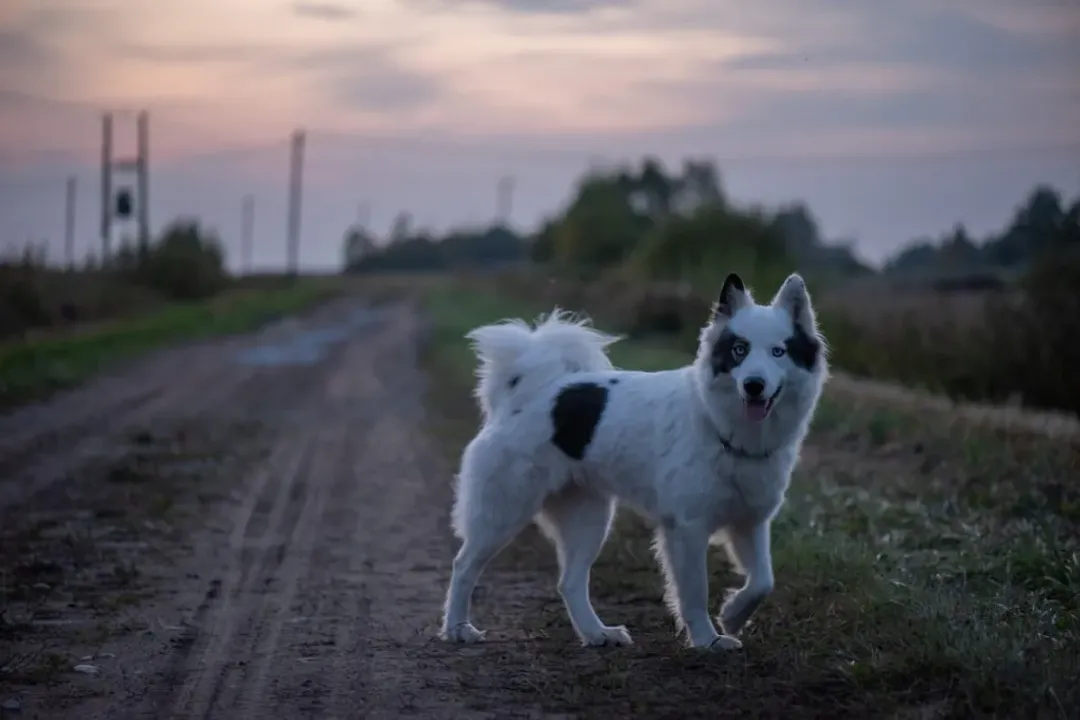
When we shift the environment from subarctic blizzards to summer heat, this remarkable adaptation becomes a liability. Standard breed information warns that the Yakutian Laika is generally "Not suited for hot climates" and runs a significant risk of overheating if exposed to high temperatures. [2] Those considering relocation to warmer areas have received confirmation from current owners that hot weather can be quite detrimental. [3] The same insulating coat that keeps them safe from minus 50°C weather acts as a barrier against necessary cooling when ambient temperatures rise significantly. [5]
This inherent predisposition means that while they are not strictly incapable of surviving outside their native habitat, owners must approach warmer seasons with extreme diligence. Unlike breeds evolved in hot environments which might have short coats and lean structures that facilitate heat dissipation, the Laika’s physiology works against quick cooling. [1]
# Hot Climate Rules
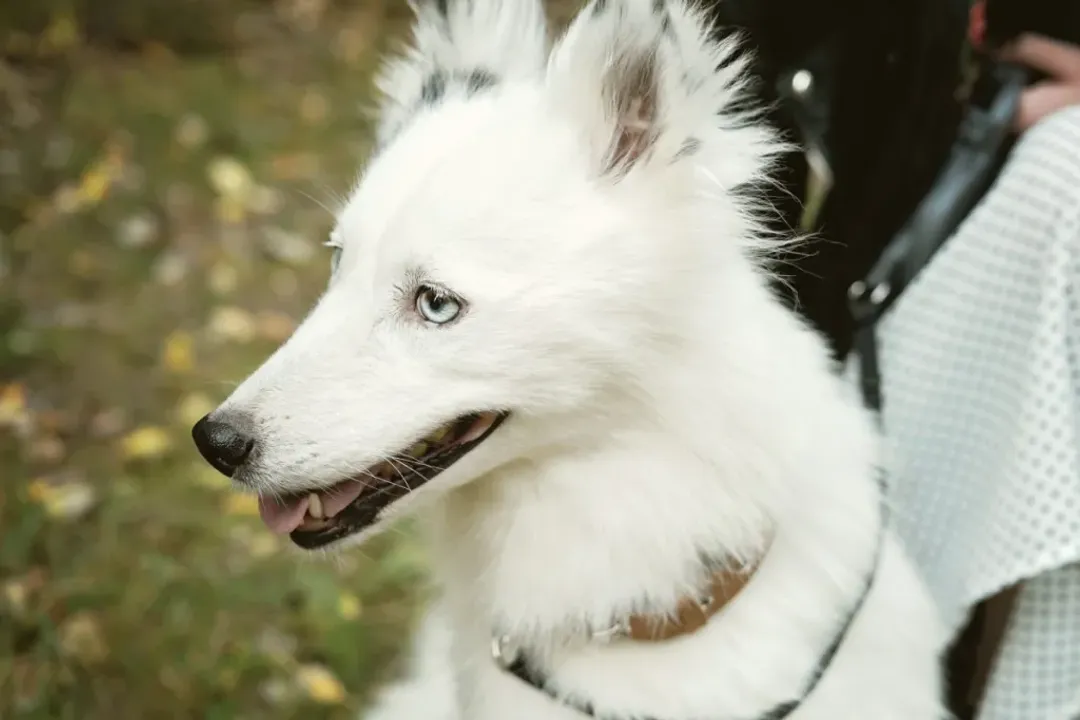
Despite their poor natural adaptation to warmth, life requires movement, and some Yakutian Laikas now reside in tropical or warm regions. [3] One owner experienced with Huskies in a tropical country noted that the situation is manageable, pointing out that the air trapped within the double coat can actually assist with temperature regulation. [3] However, this comes with significant caveats and mandatory adjustments to the dog's lifestyle.
The primary rule is that outdoor activity must be severely restricted during the hottest parts of the day. Activities should be scheduled for the coolest times—early morning or late evening. [1] Owners must guarantee constant access to fresh water, abundant shade, and, most importantly, artificial cooling sources. [1][3] This means providing air conditioning, fans, or even an ice pool for the dog to seek refuge in. [3]
If you live in a climate where the outdoor temperature remains high even during the early morning or late evening, this management becomes a full-time consideration. The high energy needs of this breed, which requires significant exercise to prevent boredom or destructive behavior, clash directly with the need to keep them cool. [2][4] A tired dog is a good dog, but a dog forced to exert itself in the heat is a dog in danger of heat stroke. This places a heavy burden of responsibility on the owner. The successful keeping of a Laika in a warm zone is less about the dog accommodating the weather and more about the owner radically altering their own environment to accommodate the dog. This necessity to engineer an artificially cool microclimate for a working dog is a point of differentiation from breeds that might simply tolerate the heat with a little extra water. [1]
# Coat Care
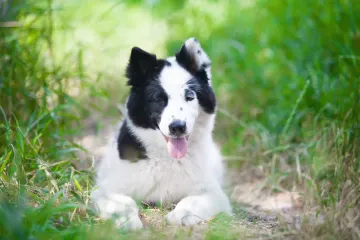
The thick coat necessitates regular maintenance year-round, escalating significantly during seasonal shedding periods where daily brushing is required to manage the coat blow. [2][4] When dealing with heat, a common but dangerous mistake is to shave the double coat. While one might assume removing the thick fur would help the dog cool down, this can actually be detrimental. [5] The double coat provides necessary insulation against both extreme cold and intense solar radiation. [5] Shaving this coat removes the natural barrier that protects the skin from sunburn—a risk for lighter-colored individuals—and can disrupt the insulating effect, sometimes leading to improper regrowth or making the dog more susceptible to rapid temperature swings. [1] Prudent care involves only trimming hair between the foot pads to prevent ice or debris buildup, but otherwise leaving the natural structure intact. [4] Additionally, owners in sunny climates should apply pet-safe sunscreen to any thinly-furred or light-colored areas, such as the face. [1]
# Breed Demands
Beyond temperature management, prospective owners must acknowledge the Laika's high drive and need for engagement. This is not a dog content to nap indoors while the air conditioning hums; they are intelligent, active dogs with a notable prey drive. [2][4] They were bred to work all day, meaning they demand vigorous daily physical activity and mental stimulation. [4] If these needs are not met, whether due to weather restrictions or owner availability, the dog will find its own "job," which often manifests as destructive chewing or excessive vocalization. [1] A household that cannot provide consistent, high-level engagement, particularly when outdoor excursions are curtailed by heat, will struggle to maintain this breed's temperament and well-being. [1] The bond they form is strong, as they co-evolved to be close companions, requiring significant daily interaction to thrive. [1][2]
In summary, while the Yakutian Laika's genetic blueprint points squarely toward surviving deep Siberian winters, they are not physiologically designed to cope with sustained, high ambient heat. They can coexist in warmer environments only through intensive, dedicated, and ongoing management—essentially creating a portable, climate-controlled bubble for them during summer months—which may not be sustainable or practical for every owner. Their fundamental requirements for exercise and companionship remain the same regardless of the outside temperature, cementing their status as a breed most genuinely suited to colder regions.
Related Questions
#Citations
Yakutian Laika vs hot climate : r/YakutianLaika - Reddit
Yakutian Laika Dog Breed Complete Guide - A-Z Animals
Yakutian Laika - Dog Breed Information - American Kennel Club
Yakutian Laikas - Celticpryde Kennels
Yakutian Laika Dog Breed Information & Characteristics - DogTime