Yakutian Laika Diet
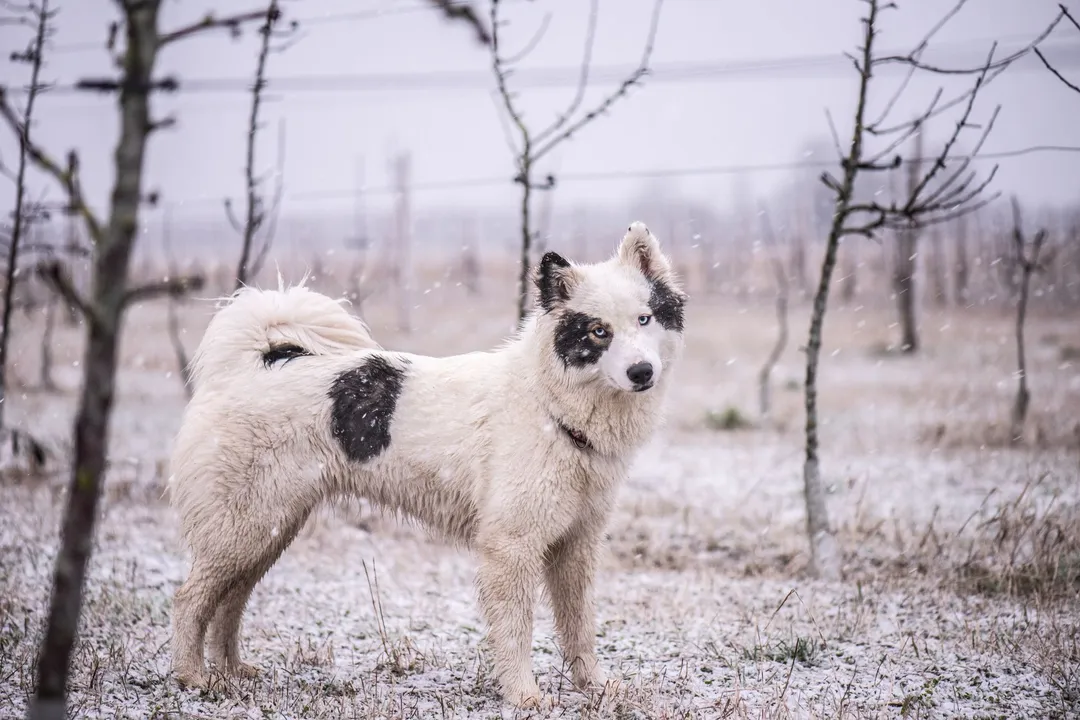
The Yakutian Laika, hailing from the harsh, icy expanses of Siberia, is a dog whose physical form and legendary endurance are direct products of its environment and demanding purpose. When considering the diet for such a resilient working dog—historically used for sledding, hunting, and guarding—it becomes clear that mere sustenance is insufficient; their food must actively support their high energy expenditure and unique physiological needs shaped by the Arctic. Understanding what fuels this spitz-type breed requires looking past generic guidelines and focusing on the high-demand metabolism they carry in their genetics.
# Ancestral Fuel

For centuries, the native Yakut people relied on these dogs for survival, which naturally dictated a diet built for intense, prolonged work in extreme cold. While modern life offers a break from pulling sleds ten hours a day through the tundra, the underlying metabolic programming remains. This breed is adapted to accumulate fat tissue, which served as vital insulation and energy storage in its native environment. Consequently, maintaining an ideal body weight remains a key responsibility for the owner, as easy weight gain can contribute to orthopedic issues later on, such as hip and elbow dysplasia, which this breed is already prone to.
# Kibble Markers

When selecting commercial food, the Laika’s dietary foundation should reflect a return to quality and digestibility. Reputable sources suggest looking for foods that are AAFCO-approved for All Life Stages, which acknowledges the breed’s varied energy requirements throughout its lifespan. Crucially, the first ingredient listed should always be a specific, named meat or meat meal, signaling a solid protein base. There are specific guidelines based on breeder experience that should be followed carefully: owners should actively steer clear of grain-free diets and avoid formulas labeled specifically as large breed food, even though the Laika is a medium to large dog. Furthermore, due to the breed’s heritage, including sources of fish in the diet, or feeding food containing fish meat, is often recommended.

# Fat Energy Density
The intense physical nature of the Yakutian Laika—whether they are actively competing in mushing or simply enjoying long hikes—demands a diet that is both rich in protein for muscle maintenance and dense in fats to support their rapid metabolism. While quality kibble forms the base, supplementing this energy density is sometimes necessary, especially for working or highly active dogs. In some circles, specialized animal fats, such as those sourced from specific breeds of pigs raised in particular regions, are favored because they are highly metabolized by the canine system when compared to vegetable-based fats. This type of supplement, rich in a balanced profile of Omega 9 and Omega 6 fatty acids, can provide a superior source of usable energy for endurance activities. A veterinarian specializing in sport dogs often advises introducing such high-energy supplements gradually, starting with small amounts before periods of intense training or competition, ensuring the dog’s digestive system can adapt without discomfort. Thinking about the caloric source in this way—prioritizing highly bioavailable animal fats during peak demand over just increasing overall kibble volume—can help manage energy output without causing digestive overload.
# Hydration and Digestion
Beyond what you feed, how you feed the Yakutian Laika is critically important for managing one of the serious health risks associated with deep-chested, working breeds: Gastric Dilatation-Volvulus, or bloat. Because this condition is a concern, the feeding strategy must adapt. It is strongly advised to feed this breed at least two smaller portions daily, completely avoiding the practice of providing one large meal. Additionally, ensuring that clean, fresh water is constantly available is a non-negotiable aspect of care, becoming even more important when supplementing with energy-dense fats that require proper hydration for digestion. Monitoring weight constantly is essential; while an active dog might need an energy-dense diet, a sedentary dog requires a lower-calorie plan to prevent the excess weight that stresses joints.

# Zinc Support
One of the most critical, breed-specific nutritional requirements for the Yakutian Laika, shared with other sledding types, centers on a particular mineral: zinc. These northern breeds have a documented tendency to absorb zinc poorly from their diet. If left unmanaged, this deficiency can manifest in serious ways, including poor coat quality, excessive itching, painful skin lesions, eye inflammation like zinc-responsive conjunctivitis, and even neurological symptoms such as seizures or disorientation. Therefore, many who raise this breed consider a daily supplement containing bioavailable zinc to be a required component of a health guarantee, ensuring the dog receives what it cannot efficiently absorb on its own.
This necessity for specialized mineral support highlights a unique challenge for the Laika owner: combining the correct macronutrient balance for high energy with targeted micronutrient delivery to counteract genetic predispositions. You cannot assume that an AAFCO-approved food alone will cover this specific zinc requirement; proactive supplementation is key to maintaining healthy skin, coat, and nervous system function throughout the dog’s life.
# Puppy Stages
When bringing a young Yakutian Laika home, nutritional input must be balanced against developmental fragility. While their energy seems boundless, the skeletal structure of a puppy is extremely immature; joints are made up of soft tissue only, and bones have not yet fully ossified. This delicacy means that while the puppy requires good nutrition for growth, the owner must strictly manage high-impact activities like excessive stair climbing or jumping to prevent long-term joint damage. Diet must therefore support sound growth in conjunction with restricted, controlled movement in the first year to help establish a healthy frame. Some breeders start their puppies on specific, proven formulas, such as certain puppy or all-life-stage formulas from established brands, to ensure a smooth transition and consistent development before moving to an adult maintenance diet tailored to their activity level.
Related Questions
#Citations
Yakutian Laika: Dog Breed Characteristics & Care - The Spruce Pets
Best book to help prepare for my incoming laika? : r/YakutianLaika
Yakutian Laïka - PROTEAM NUTRITION
Best Yakutian Laika Dog Food - Spot and Tango
All about Yakutian Laika breed - Animalia
Food and Supplements
Yakutian Laika: Dog Breed Characteristics & Care - Dial A Vet