Are Yakutian Laikas rare?
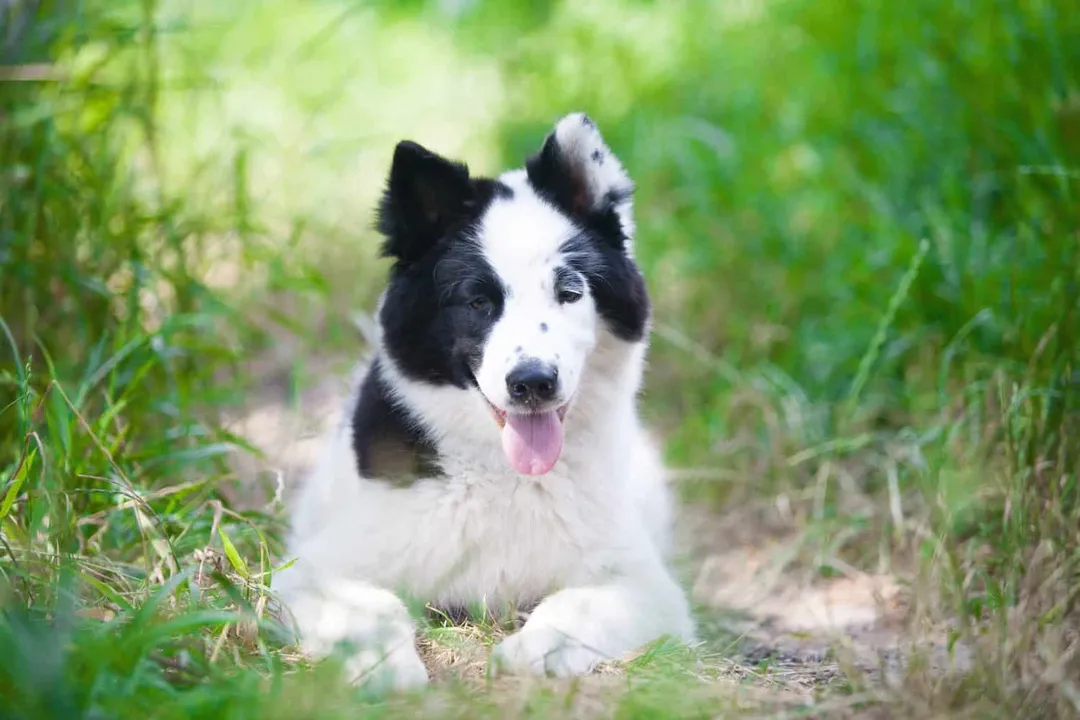
The question of whether the Yakutian Laika is a rare breed is best answered by looking at its global presence, which remains quite limited compared to more established Western breeds. While they are a recognized and established part of the working dog heritage in their native region, stepping outside of Siberia reveals a much less familiar picture for many dog enthusiasts. [1][2] These dogs hail from the vast, frigid territory of Yakutia, also known as the Sakha Republic, in Siberia, Russia. [1][3] They have been integral to the lives of the indigenous Yakut people for centuries, serving essential roles in survival. [3][5]
# Siberian Roots
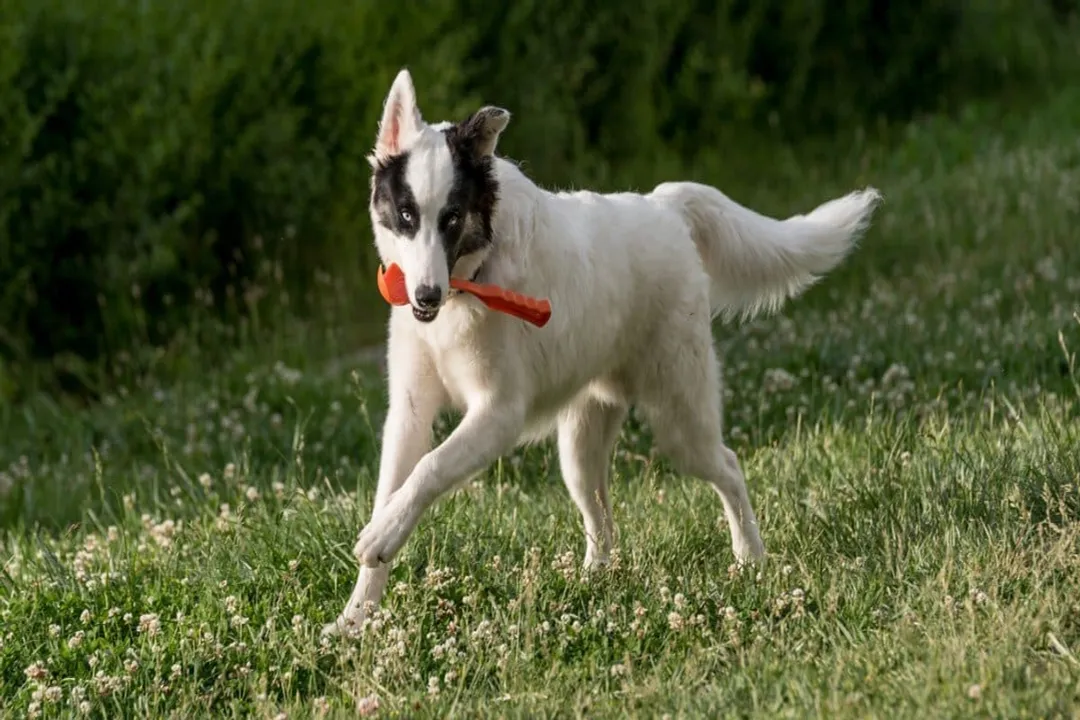
The history of the Yakutian Laika is deeply entwined with the extreme environment they evolved in. Bred for endurance and resilience, these dogs were relied upon by the Yakut people for centuries. [3] Their original duties were diverse: pulling sleds across immense, often frozen distances, assisting with hunting, and acting as dependable companions and guardians for the family encampments. [3][7][5] Surviving the Siberian winters, where temperatures can routinely plummet to -50°C (-58°F), required incredible hardiness, a trait deeply embedded in their genetics. [3][1]
The term "Laika" itself is a general classification for various Spitz-type working dogs originating from Northern Russia and Siberia, implying a shared heritage of utility and adaptation to cold climates. [7] However, the Yakutian Laika maintains its distinct identity rooted in its specific geographic and cultural origins. [5] Their presence in North America or Western Europe is relatively new, which contributes significantly to their current perceived rarity outside of Russia. [6]
# Breed Status
Assessing rarity often involves looking at official kennel club recognition, and this is where the Laika's status becomes nuanced. The breed is recognized by the Fédération Cynologique Internationale (FCI), the largest international federation of kennel clubs. [1] This official international recognition suggests a standardized, established breed identity globally, even if their numbers are low. [1] However, for enthusiasts in countries like the United States, the breed is not yet recognized by the American Kennel Club (AKC). [1] Conversely, the Canadian Kennel Club (CKC) does offer recognition for the Yakutian Laika. [6] This patchwork of recognition—established in some parts of the world, still pending in others—contributes to their low profile in many regions. If you are looking for one outside of their native habitat, finding a reputable breeder requires significant research, often involving networking within specialized breed clubs dedicated to their preservation. [4]
# Physical Traits
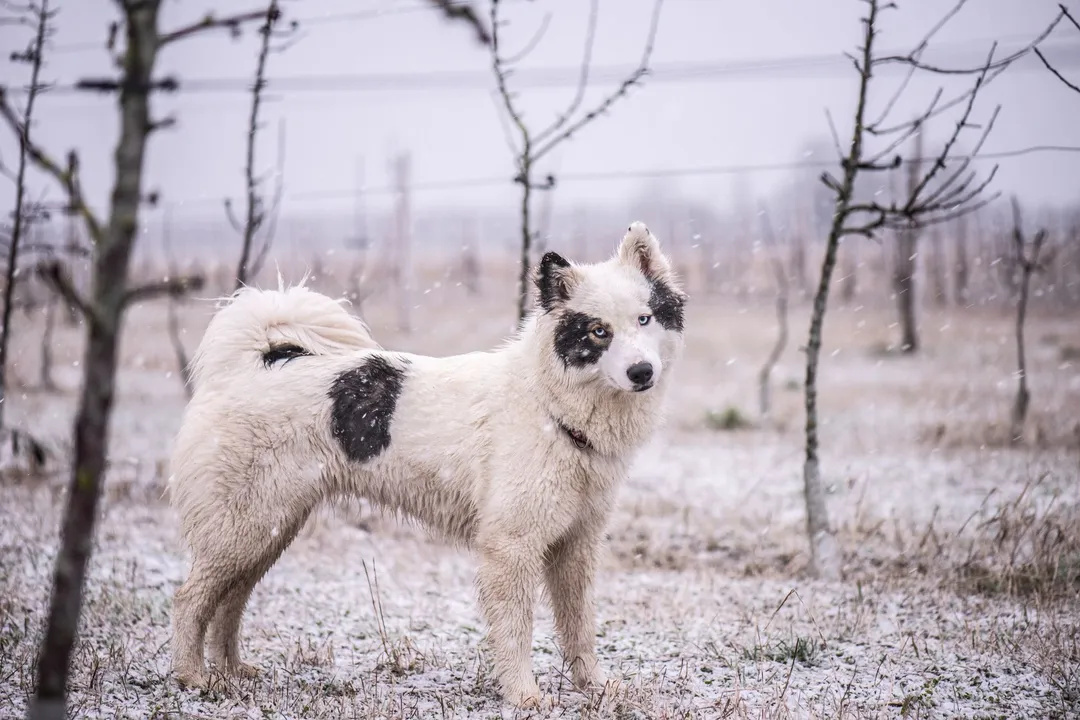
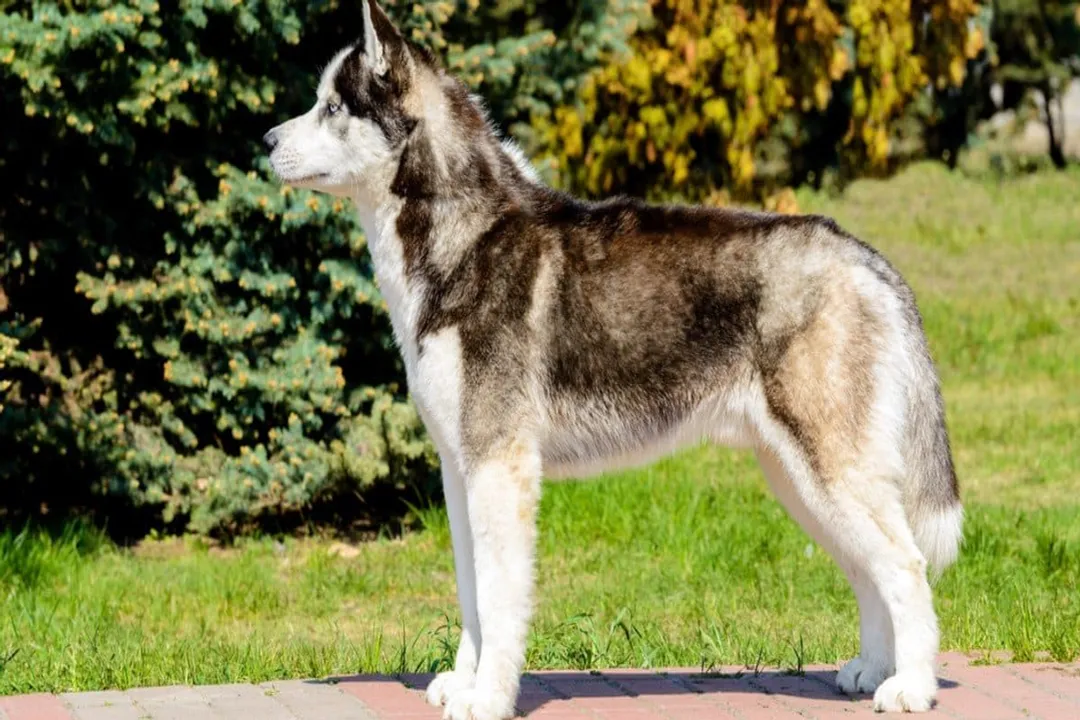
Physically, the Yakutian Laika presents as a strong, medium-sized Spitz-type dog. [1][5] They possess a thick, dense double coat, an absolute necessity for thriving in their homeland's brutal climate. [1][3] This coat consists of a soft undercoat and a longer, straight outer coat that is somewhat harsh to the touch. [3] Coat colors are varied, encompassing shades of black, white, grey, and red, often appearing in pied or patchy patterns. [3]
One of the most striking features noted by those familiar with the breed is their eye color. While typically possessing warm brown eyes, they can also have bright blue eyes, or even exhibit heterochromia, meaning they have two different colored eyes. [1][3][5] This striking characteristic, combined with their Spitz ears and curled tail, gives them a distinct and ancient appearance. [3]
# Temperament Profile
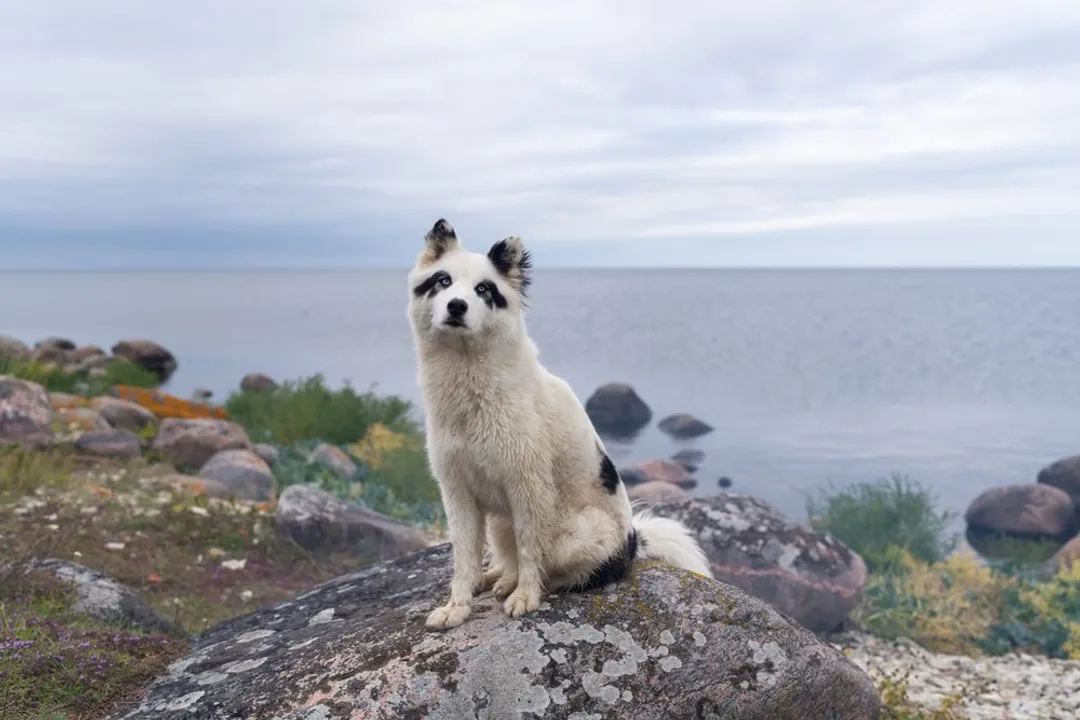
Understanding the temperament of the Yakutian Laika is crucial for appreciating why they are not yet a ubiquitous companion breed. They are described as intelligent, curious, and energetic dogs that require consistent training and socialization. [1][3] Their history as an independent working dog means they can display a stubborn streak, necessitating an owner who can establish clear, firm leadership. [3] They generally possess a low tendency to bark, which is a useful trait, but this quiet nature should not be mistaken for low energy. [3]
They are generally friendly and good with families, but their deep-seated working drive must be respected. [1][3] The instinct to roam and their significant prey drive are direct legacies of their history as independent hunters and travelers over vast Siberian territories. [1] For a modern pet owner, successfully managing these innate traits separates a well-adjusted Laika from a frustrated one. It’s important to note that unlike some highly vocal northern breeds, their low barking tendency might lead new owners to underestimate their need for engagement; they communicate needs through action and presence rather than constant vocalization. This quiet intensity requires an owner attuned to subtle canine cues. [3]

# Care Requirements
The care regimen for a Yakutian Laika is heavily influenced by their heritage as an endurance athlete bred for the extreme cold.
# Exercise Needs
Exercise is non-negotiable. These are not apartment dogs needing a quick lap around the block; they are bred to cover vast distances while pulling sleds. [1][3] They require significant daily activity to remain mentally and physically sound. [1] Prospective owners in urban or suburban settings must critically assess whether they can meet this high demand for physical output, perhaps through structured activities like long-distance hiking, dog-powered sports, or consistent, lengthy jogs. [3]
# Climate Adaptation
Their legendary tolerance for cold is a defining characteristic. [3] They are built to handle sub-zero temperatures with ease. [1] However, this leads to a crucial point for owners in temperate or warm climates: handling heat is their main vulnerability. When temperatures rise, owners must provide ample shade, access to fresh, cool water, and potentially even cooling mats or restricted activity during the hottest parts of the day. [1] Failing to manage heat exposure in a thick-coated northern breed like the Laika can quickly lead to serious distress, something their Siberian ancestors never faced in their native environment. Their physiology is optimized for cold preservation, making heat management a daily priority for many owners today.
# Grooming
Like most double-coated breeds, they will shed year-round, but they "blow" their undercoat twice a year, which requires intensive grooming efforts. [3] During these heavy shedding periods, regular brushing with appropriate tools is necessary to prevent matting and ensure their coat remains healthy and functional. [3]
# Rarity's Impact on Ownership
The fact that the Yakutian Laika remains relatively rare outside of Russia has several direct implications for prospective owners. Firstly, as mentioned, finding a reputable breeder who adheres to breeding standards and health testing might require looking internationally or relying on dedicated breed preservation groups. [4] Secondly, the smaller gene pool, while preserving the core characteristics, necessitates careful management to avoid the health issues that can sometimes plague less numerous breeds.
The low recognition in some major national clubs also means that finding local resources, specialized veterinary knowledge, or even fellow owners for advice can be challenging compared to breeds with widespread AKC registration, for example. [1] While the CKC recognizes them, availability will still be much lower than for breeds like the Golden Retriever or German Shepherd. [6] A potential owner needs to be prepared to educate even their veterinarian about the breed's specific needs, especially concerning anesthetic protocols or susceptibility to certain environmental factors common to northern dogs. This necessity for self-education and advocacy is a hallmark of owning a truly rare breed, distinguishing the experience from owning a more common dog whose care requirements are widely understood by the general public.
# Distinguishing Features
When observing a group of northern breeds, the Yakutian Laika can sometimes be confused with other Siberian sled dogs, but key differences exist. While sharing the Spitz heritage, the Laika is specifically developed for the multi-purpose role by the Yakut people, rather than solely for long-distance racing or purely hunting roles common to some other Laika types. [7] Their general build is stocky yet agile, balancing power for pulling with the lean structure needed for survival in harsh conditions. [3] Their friendly disposition, coupled with a relatively lower tendency to vocalize compared to some Malamutes or Huskies, sets them apart in temperament, even if their physical appearance shares common northern features. [3] Ultimately, the combination of their unique history tied to the Sakha Republic, their specific FCI recognition status, and their balanced, durable physique solidifies their place as a distinct and presently rare breed outside their native land. [1][6]
Related Questions
#Citations
Yakutian Laika: Dog Breed Characteristics & Care - The Spruce Pets
My actual “rare” pupper, a yakutian laika named Yuna! - Reddit
Yakutian Laika Breed Info
The Yakutian Laika is an ancient sled dog breed from Siberia
Yakutian Laika - Nightside Nordics
Meet the Yakutian Laika | CKC
Yakutian Laika Dog Breed Complete Guide - A-Z Animals
Yakutian Laika - GoofyTails
Yakutian Laika: Your Complete Guide - Dog Academy