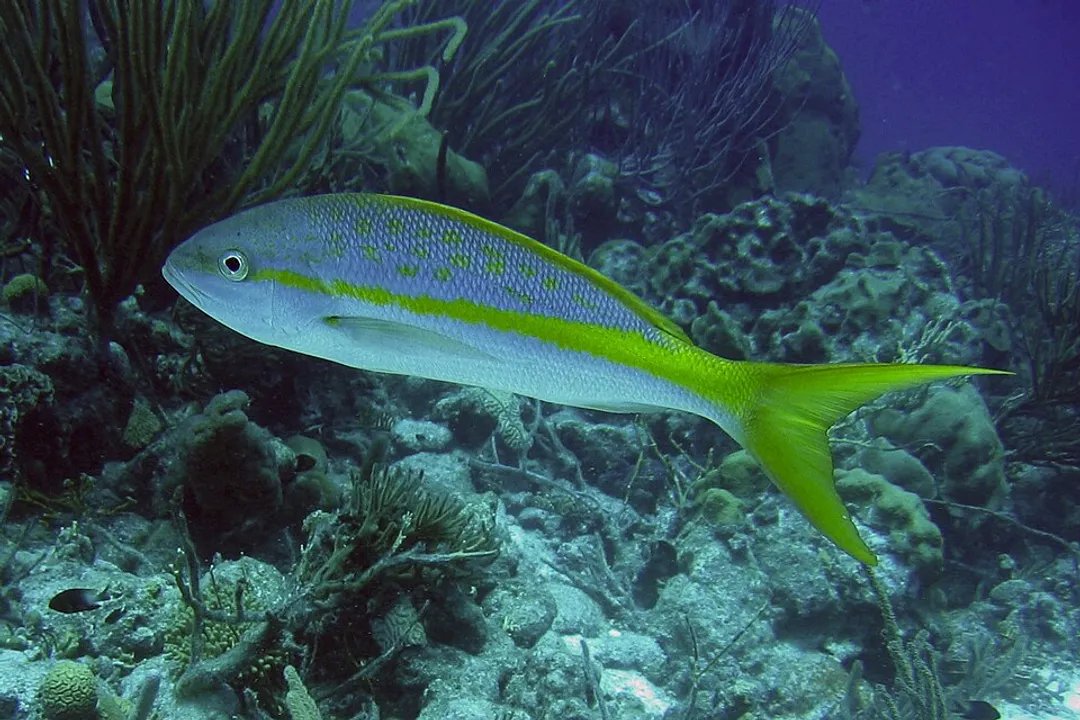
What do minimum harvest size differences between areas like the Florida Keys and the Dry Tortugas often reflect concerning localized biological adaptation?
Observed maturation schedules specific to those areas reflecting long-term environmental selection pressures
Local regulations regarding minimum harvest sizes are frequently established based on specific biological realities observed in particular fishing grounds. When management bodies set different minimum sizes between geographically close areas, such as the Florida Keys versus the Dry Tortugas, it is often a direct consequence of long-term local selection pressures acting upon the fish populations. These pressures manifest as variations in the age and size at which maturity is reached. Adhering to these context-specific size limits supports the sustainability of that localized evolutionary adaptation by protecting fish until they have reached reproductive maturity according to their specific local schedule.