Yellowtail Snapper Diet
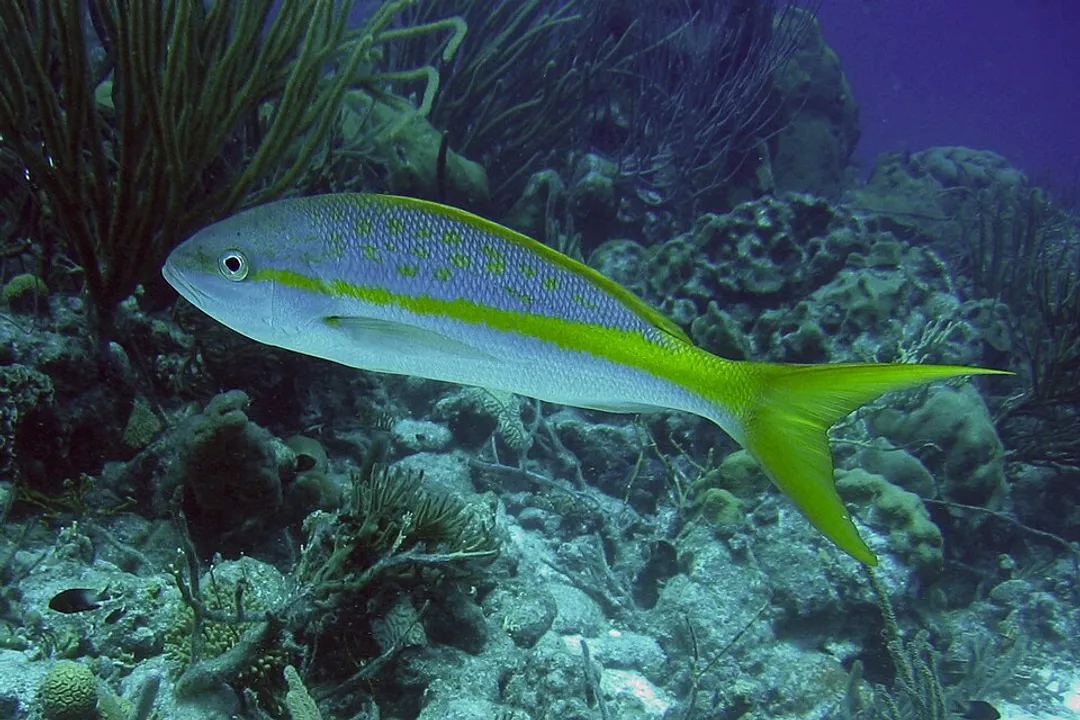
The yellowtail snapper, Ocyurus chrysurus, is a highly prized fish in both recreational and commercial fishing circles, largely due to its delicious white flesh. [3][5] While its beauty—a brilliant yellow tail contrasting with a silvery-blue body—is immediately apparent, understanding its dietary habits offers significant insight into where and how to find these fish, and what sustains their populations across their range. [1][6] Yellowtail snapper are opportunistic carnivores whose diet shifts significantly as they mature, moving from tiny planktonic organisms to larger benthic invertebrates and small fish. [3][4][9]
# Key Food Sources
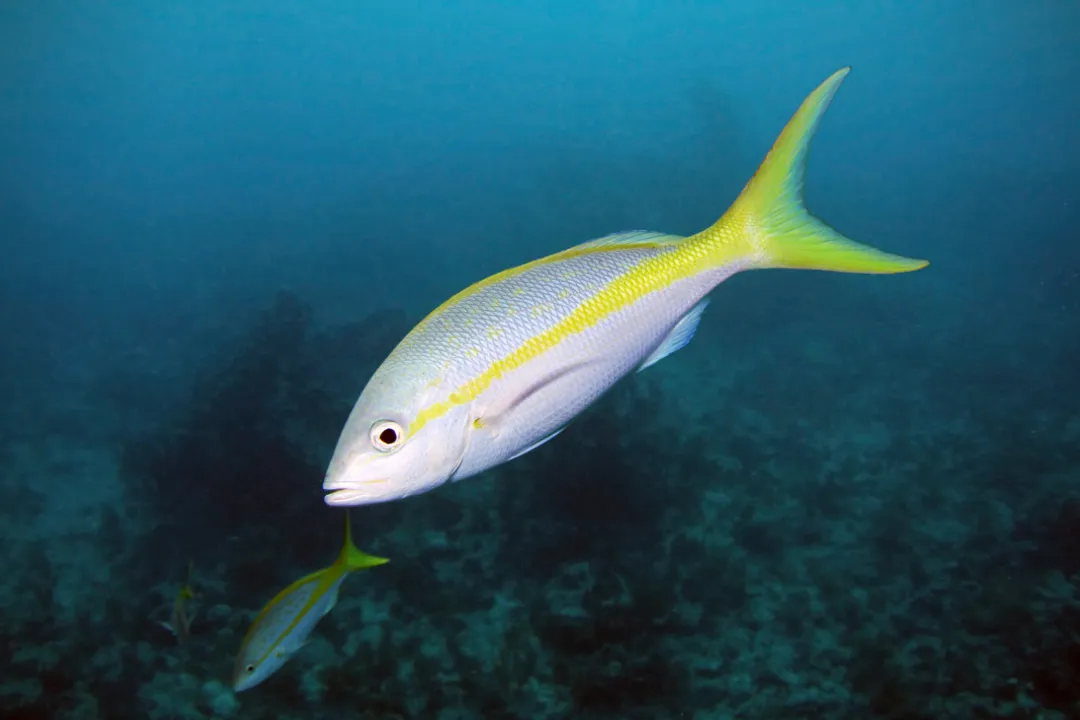
As adults, yellowtail snapper maintain a diet that is overwhelmingly carnivorous, focused on creatures that inhabit the reef structure or the sandy bottom surrounding it. [1][9] Their primary diet staples include small crustaceans, such as various shrimp and crabs, as well as marine worms and small, bony fishes. [2][4][5] They are also known to consume mollusks when available. [2] This dietary profile suggests they are not selective feeders but rather predators that take advantage of whatever protein sources are readily accessible in their immediate environment. [3] For those targeting them, knowing this menu means that cut baits mimicking shrimp or small fish often prove highly effective. [8]
# Hunting Habits
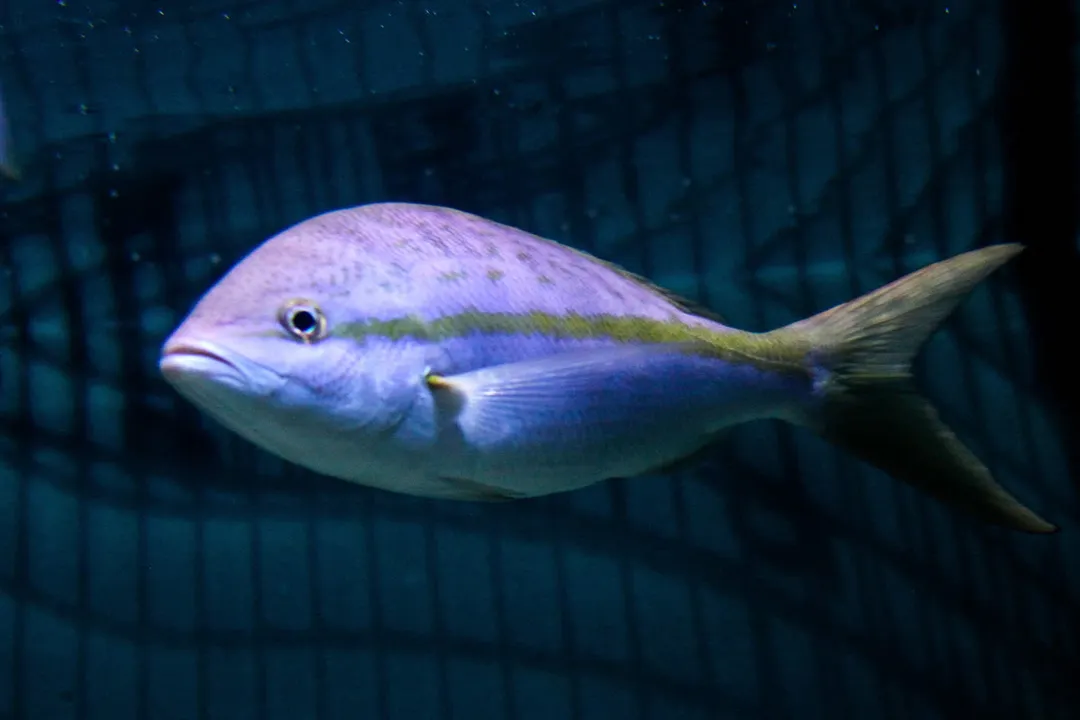
The feeding pattern of the yellowtail snapper is closely tied to the cycles of light and darkness. They are often characterized as being most active feeders during the crepuscular periods—dawn and dusk—and throughout the night. [3] This nocturnal or low-light feeding behavior is common among many reef-associated bottom feeders, as it can provide cover from larger predators while allowing them to pursue prey that may be less cautious in dim light. [3] They tend to feed primarily near the bottom, rooting around or swimming just above the substrate to capture their benthic prey. [1]
It is interesting to compare this behavior with that of some other reef fish that might feed more heavily during bright daylight hours. The yellowtail's preference for lower light conditions might explain why deep or shadowed areas near the reef crest often produce the best daytime catches, as the fish might be resting there before moving out to forage as the sun sets. [6]
# Age Diet Changes
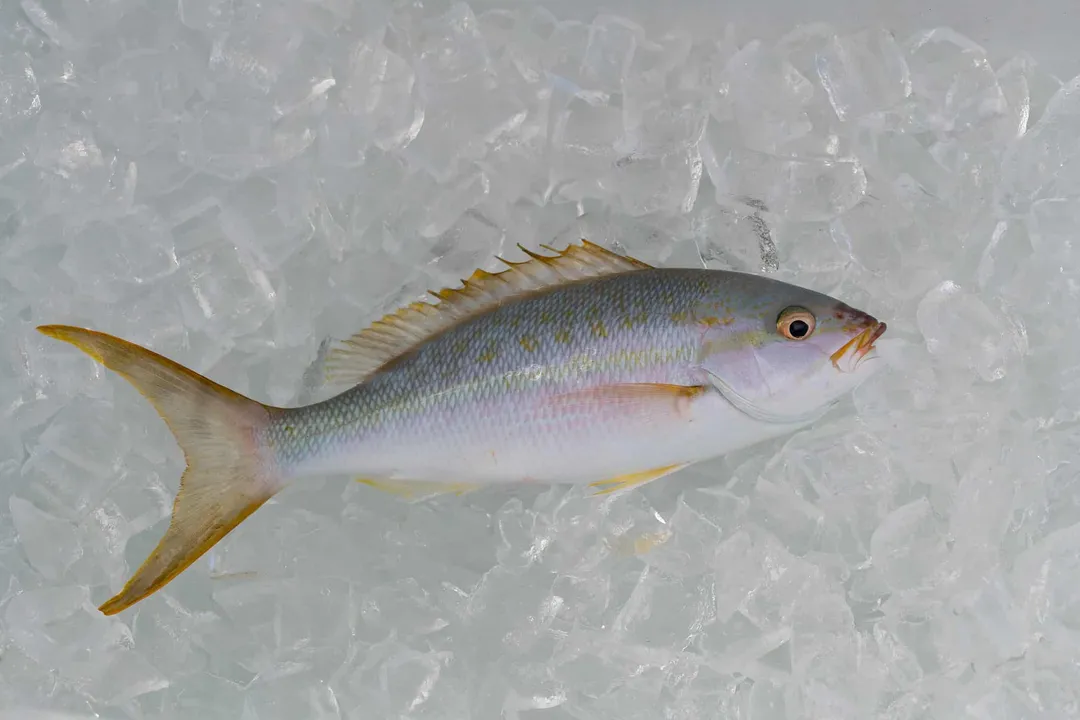
The shift in diet across a yellowtail snapper’s lifespan demonstrates a classic ecological progression seen in many fish species. Juveniles, which typically inhabit shallower, inshore areas like seagrass beds or nearshore reefs, are much smaller and rely on the most abundant, tiny food available. [4][9] Their early diet consists largely of zooplankton. [4][9] As they grow, their mouths enlarge, allowing them to process larger prey items, which initiates the transition toward the adult diet of crabs, shrimp, and small fish. [4]
This developmental dietary change is a strong indicator of habitat reliance. A healthy population of juvenile yellowtail requires abundant, productive nearshore nursery grounds teeming with plankton, whereas the adult population depends on the health of the offshore reef systems that support larger invertebrate populations. [1][4]
| Life Stage | Primary Habitat | Dominant Food Type |
|---|---|---|
| Juvenile | Seagrass beds, nearshore | Zooplankton, tiny invertebrates |
| Adult | Offshore reefs, deeper water | Crustaceans (shrimp, crabs), small fish, worms |
| [4][9] |
# Location Effects
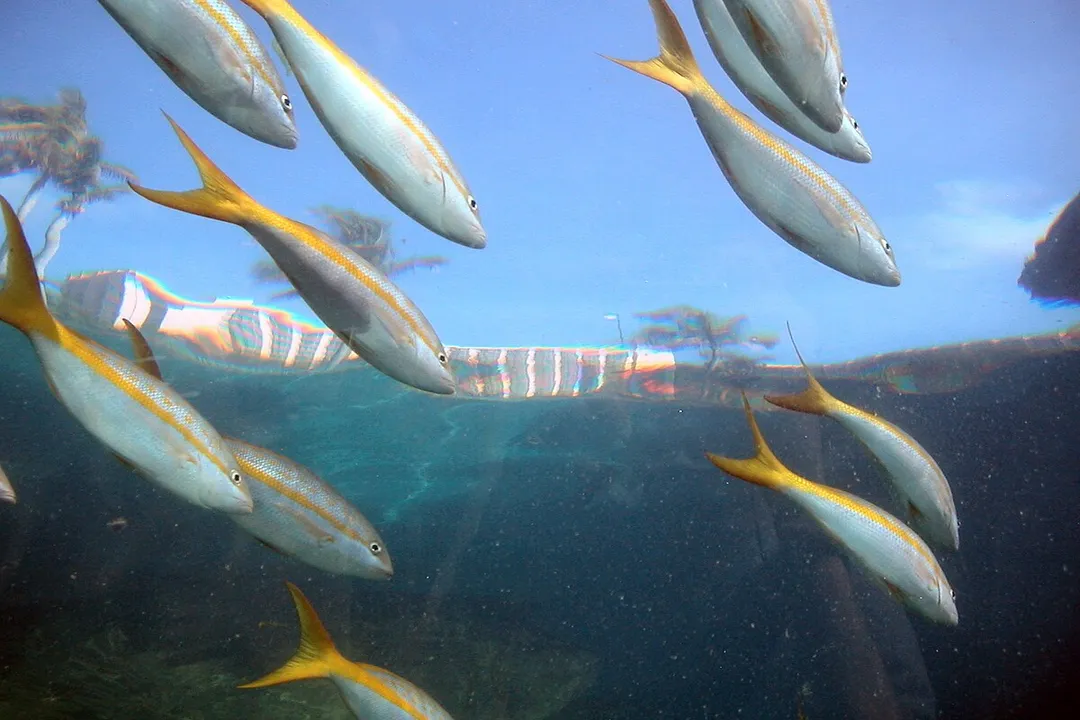
The geographic location further refines the yellowtail’s menu. While the core components remain similar, the specific species of prey changes based on local availability. [1] In the Florida Keys, for example, the abundance of specific local shrimp species or small reef fish dictates the day-to-day consumption patterns. [3] The overall dietary strategy remains opportunistic, meaning they are highly adaptable feeders shaped by the local benthic community structure. [5] This ecological flexibility is one reason the species has managed to thrive across a wide range spanning the western Atlantic, from Massachusetts down to Brazil, including the Gulf of Mexico. [6][7]
If we consider the physiological demands of growth, an adult yellowtail living over a hard-bottom, high-relief reef structure likely expends more energy hunting than one found over a flatter, sandy bottom adjacent to the reef. This difference in terrain might prompt the reef-dwelling fish to target faster, more agile prey like small pelagic baitfish, contrasting with the more static, slow-moving crustaceans preferred by their neighbors in the flatter zones. [1]
Understanding this feeding dynamic presents a practical consideration for anglers. In areas where the bottom is heavily covered in sponges or dense coral heads, the prey base will differ significantly from an area dominated by rubble and sand patches. A successful fisherman often learns to "read the bottom" to anticipate what kind of food source is most available, then matches the presentation of their bait accordingly. [8]
This dietary reliance on benthic (bottom-dwelling) organisms means that the overall health of the reef or bottom habitat directly impacts the nutritional quality available to the snapper. A decline in key crustacean populations due to environmental stress, such as thermal events or localized pollution affecting the seafloor, translates almost immediately into nutritional stress for the yellowtail snapper population that depends on those lower trophic levels for survival. [4][9] This interconnectedness highlights that protecting the bottom habitat is just as critical as protecting the adult fish themselves. [1]
Related Questions
#Citations
Snapper, Yellowtail - South Atlantic Fishery Management Council
Yellowtail Snapper Fish Facts - Ocyurus chrysurus - A-Z Animals
Facts About Florida Keys Yellowtail - Main Attraction Fishing Charters
Fish of Florida: Yellowtail Snapper (Ocyurus chrysurus) Species Profile
Yellowtail snapper - Wikipedia
[PDF] Yellowtail Snapper - Fortune Fish & Gourmet
Yellowtail Snapper - BigWater Adventures
Yellowtail Snapper — Texas Parks & Wildlife Department
Yellowtail snapper | Mote Marine Laboratory & Aquarium
Yellowtail Snapper - FWC