Yellowtail Snapper Physical Characteristics
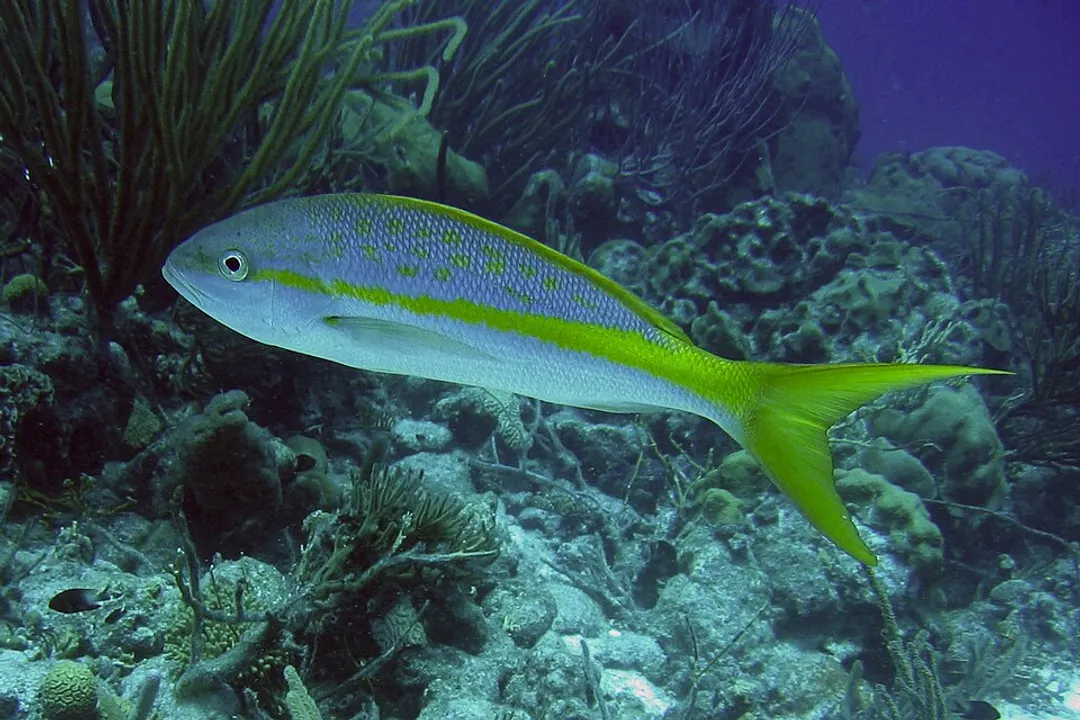
The Yellowtail Snapper, Ocyurus chrysurus, is instantly recognizable by its striking coloration, though its physical profile is shared among several related species. For those who spend time on the water, learning these subtle yet critical distinctions is key. The fish generally presents a slender, elongated body shape that is moderately compressed. [1][4][9] This streamlined profile helps it navigate offshore waters where it typically resides. [6]
# Body Outline
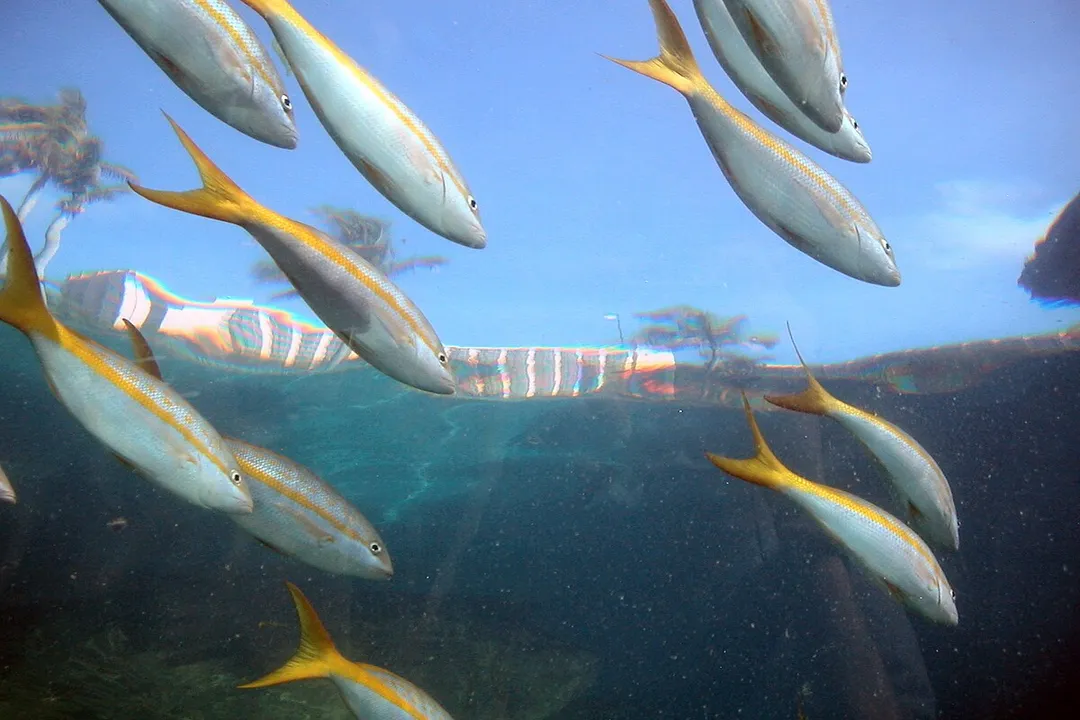
When observing a Yellowtail, one notices an overall shape that is distinct from some of its chunkier cousins in the snapper family. The body is described as elongated and somewhat compressed, [1][4] meaning it is taller than it is wide when viewed head-on. In terms of overall depth, the body is characterized as moderately deep. [9] While they can grow impressively large, especially in Caribbean populations, the fish commonly encountered by recreational anglers are usually much smaller. [1][4] They generally range in size from about 12 to 20 inches in length, often weighing between one and three pounds. [4] However, the biological maximum is significantly greater; the largest recorded specimens have reached lengths nearing 41 inches and weights approaching 28 pounds. [1]
# Color Patterns
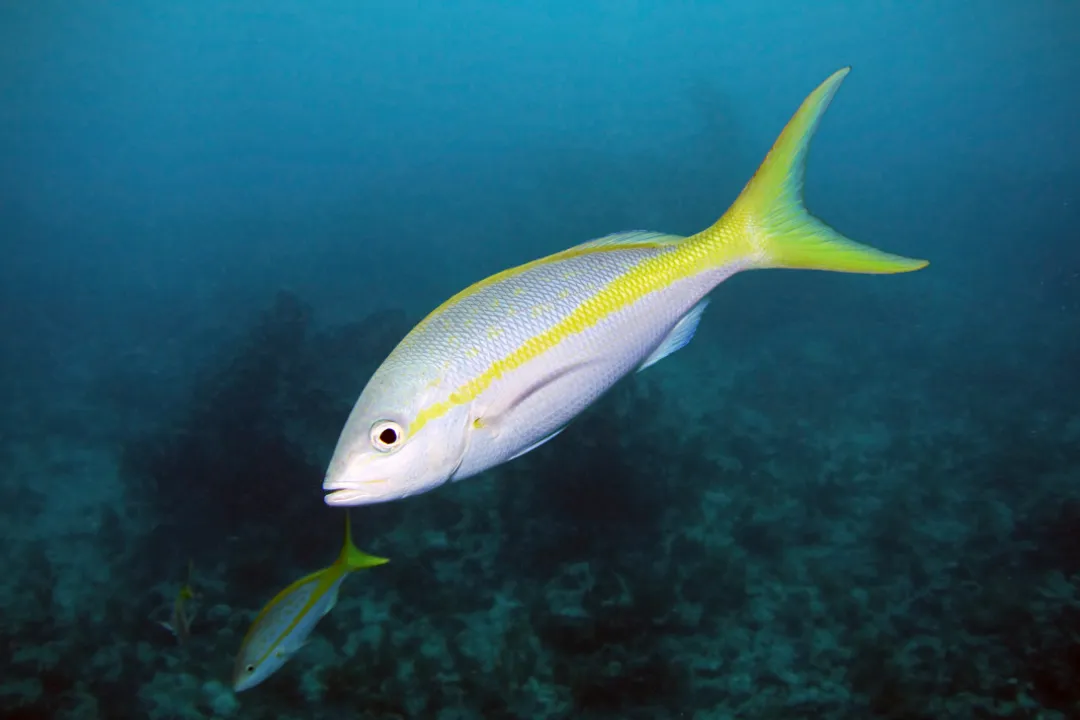
The defining aesthetic feature, which lends the fish its common name, is the intense yellow hue present on its fins, but the body color provides the base camouflage. The main body color is often described as silvery or pale, sometimes tinged with yellow or olive tones. [1][4][9] A striking, bright yellow stripe runs longitudinally along the side of the fish, extending from the tip of the snout all the way to the base of the tail fin. [1][4][9] This stripe serves as the most reliable field mark when the tail is obscured or wet. Adding to the visual complexity, the eyes themselves frequently exhibit a yellowish tint. [4] Experienced anglers know that understanding how these colors change based on the fish’s environment and stress level is vital for quick identification. For example, a freshly caught fish vibrant with color might look significantly different after an hour on the deck, making the underlying skeletal structure and the persistence of that central yellow stripe the most dependable identifiers. [1][9]
# Yellow Tail
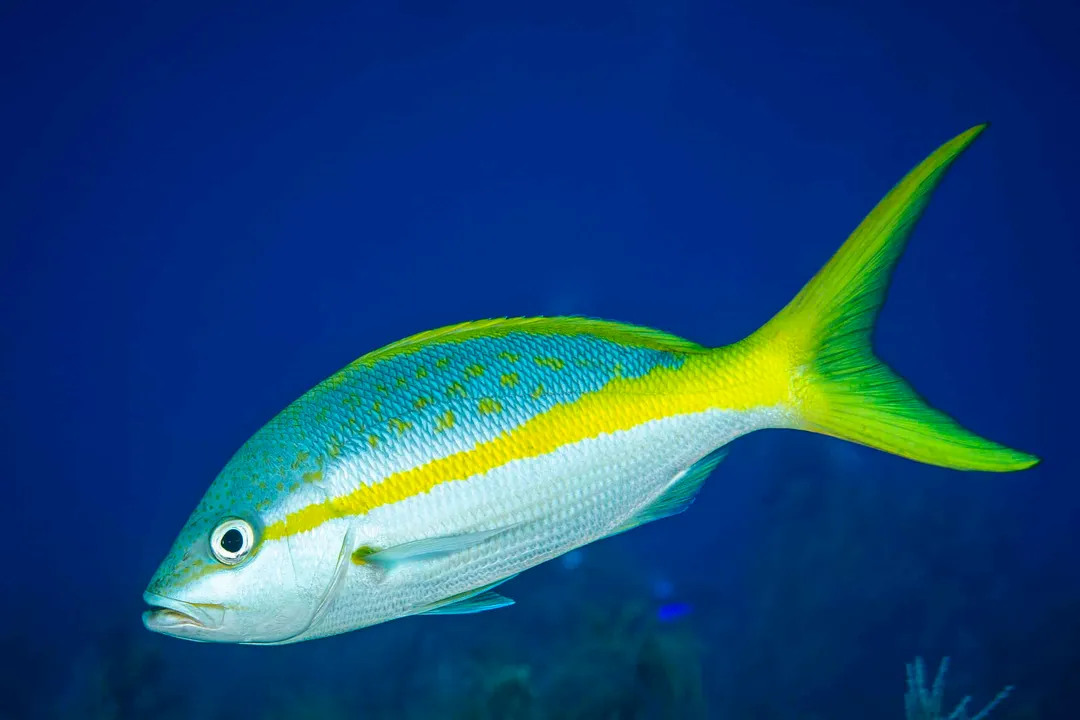
The caudal fin, or tail, is the namesake feature of this species and must be examined closely for confirmation. It is not simply yellow; it is described as bright yellow. [2][5][9] Furthermore, this fin is deeply forked. [1][9] This deep V-shape, combined with the intense color, makes it unmistakable when the fish flashes its tail while swimming or fighting. Other fins, including the pectoral, pelvic, and anal fins, often share this yellowish pigmentation, though perhaps not as intensely as the tail itself. [4][9] This strong yellow contrast against the silvery body is what separates it visually from similar snappers that might have less pronounced tail coloring or a more rounded tail shape. [1]
# Snout Structure
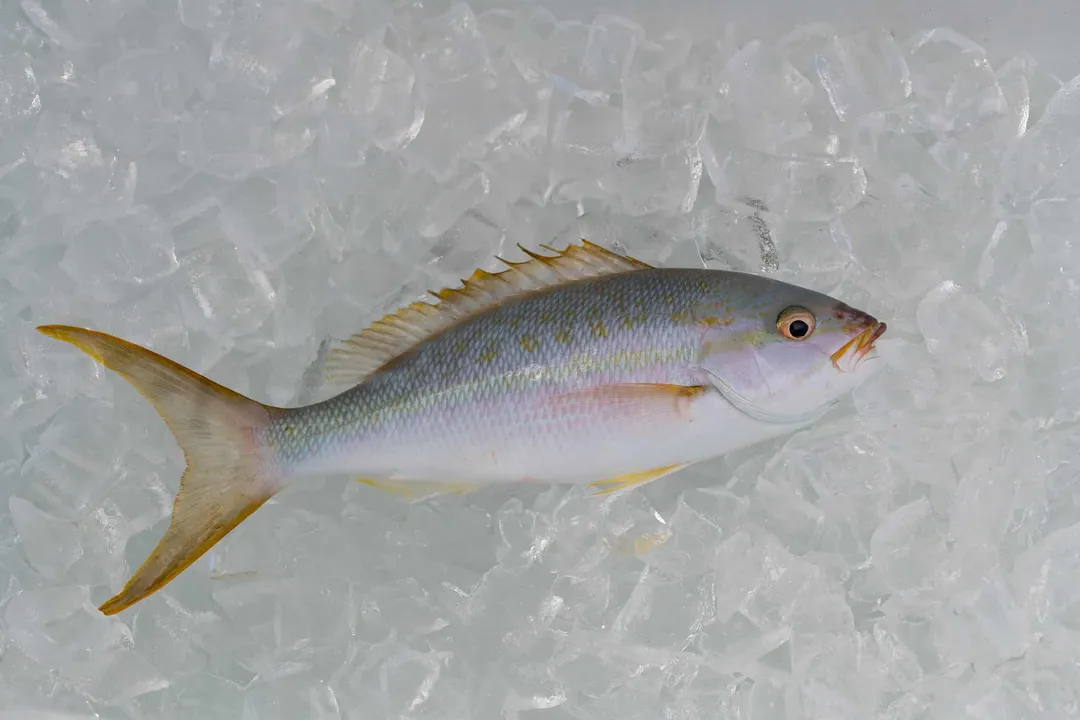
Moving toward the head, the physical characteristics offer clues about its feeding habits. The snout of the Yellowtail Snapper is characteristically pointed. [9] The jaws are generally equal in length, meaning the lower jaw does not significantly protrude past the upper jaw. [1] Looking inside the mouth, the teeth are small and arranged in villiform bands, which suggests a diet consisting of smaller prey items such as crustaceans, small fish, and worms that it can effectively grasp and crush. [1] It is interesting to note that the chin rests slightly lower than the bottom edge of the eye socket. [1] This subtle cranial geometry helps differentiate it from other closely related species found in the same habitats.

# Young Fish
The appearance of the Yellowtail Snapper changes considerably as it grows from a fry to an adult, offering another important visual identification marker, particularly for fisheries managers concerned with minimum size limits. [7] In its juvenile stages, the fish displays a much more prominent dark marking. Small, young specimens possess a distinct, dark lateral stripe running along their side. [4][7] This juvenile stripe is quite pronounced, often appearing black, contrasting sharply with the generally silvery body color of the young fish. [7] As the Yellowtail matures and grows larger, this conspicuous black line gradually fades away, leaving only the faint, characteristic yellow stripe and the silvery body that characterizes the adult form. [4][7] For someone documenting catches near the regulatory minimums, recognizing that dark lateral stripe is essential before it disappears entirely with further growth.
# Lateral Line
While the central yellow stripe dominates the visual field, the location of the lateral line provides another anatomical reference point. In mature specimens, a faint, dark line can sometimes be observed running along the lateral line—the sensory line system that runs down the flank of the fish. [1] This line is usually much less obvious than the primary yellow stripe, sometimes being very difficult to see depending on the lighting and the fish’s condition. [1] Comparing the position of this line to the dorsal profile can sometimes help distinguish it from species where the lateral line is positioned higher or lower on the body profile. [4]
A final observation regarding the anatomy involves the relationship between the body depth and the head size, which seems to shift slightly with age. While young fish are often slender and dominated by that dark stripe, the adults develop a slightly deeper, more substantial body mass relative to their length, giving them a more powerful, torpedo-like appearance when pursuing prey in the open water column. [9] The persistence and intensity of the yellow pigmentation across all fins, combined with that deeply forked tail, remain the key physical constants that define the species across its entire lifespan.
Related Questions
#Citations
Yellowtail Snapper - Florida Museum of Natural History
Yellowtail snapper - Wikipedia
Yellowtail Snapper Fish Facts - Ocyurus chrysurus - A-Z Animals
[PDF] Species Spotlight - Yellowtail Snapper
Yellowtail Snapper - Inland Foods
Snapper, Yellowtail - South Atlantic Fishery Management Council
[PDF] SEDAR 8-DW-4 The biology of yellowtail snapper, Ocyurus ...
Yellowtail snapper - Delaware Fish Facts for The Recreational Angler
Yellowtail snapper - Canvas of the Wild