Yellowtail Snapper Locations
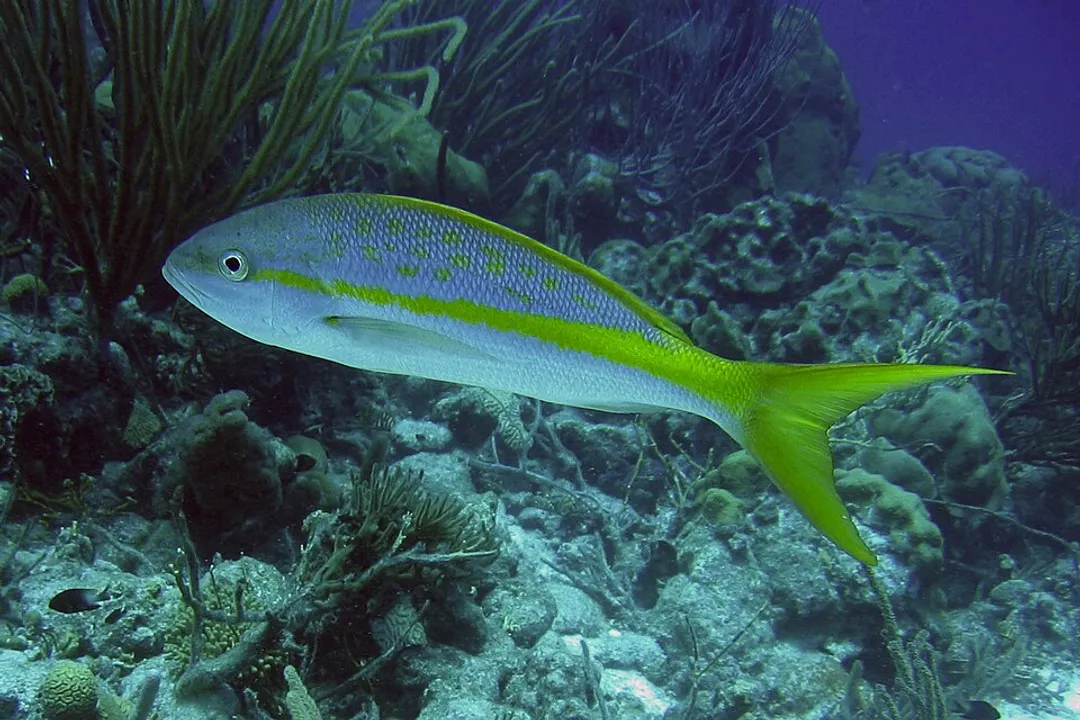
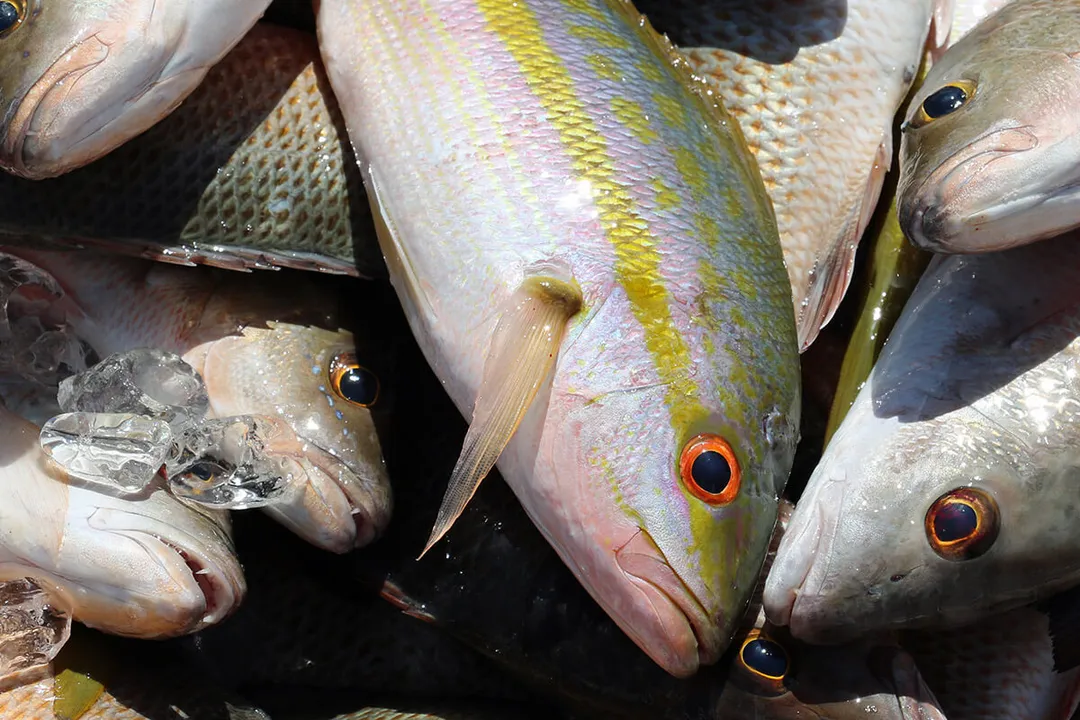
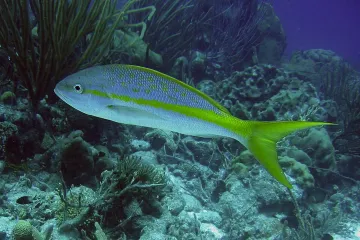
The quest to locate the finest Yellowtail Snapper fishing often sends anglers scanning charts from the Mid-Atlantic down to South America, but the best concentrations are found within a tropical band defined by clear water and reef structure. [4][9] Known for their striking appearance—a slender body marked by a distinct, brilliant yellow stripe running from the snout to a deeply forked, entirely yellow tail—these fish are highly sought after for both sport and plate. [3][5] While they have been documented as far north as Massachusetts, the core of their abundance centers around the Gulf of Mexico, the Caribbean Sea, and particularly the waters off South Florida and the Bahamas. [4][9] Understanding where these "Flags" congregate requires looking beyond just a latitude, focusing instead on depth and substrate. [3][7]
# Range Limits
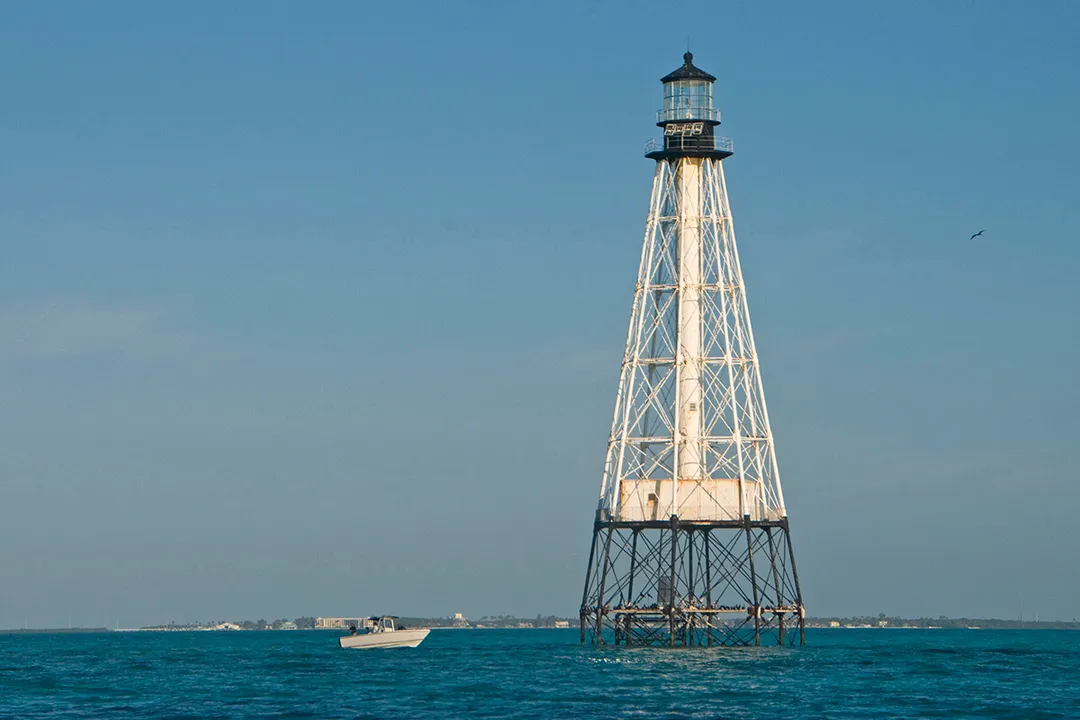
The Yellowtail Snapper (Ocyurus chrysurus) maintains a wide distribution across the Western Atlantic, yet its successful population centers rely on stable, warm environments. [4] Adults typically reside near coral reefs and various bottom structures in depths generally ranging from 33 to 230 feet (10 to 70 meters). [3][4] However, they are not strictly confined to these zones; they can be found from near the surface down to depths nearing 590 feet. [4] A fascinating, albeit lesser-known, aspect of their life cycle is that the juveniles utilize protected, shallower zones, residing in inshore environments like estuaries, seagrass beds, and bays. [5] This difference in preferred juvenile habitat versus adult reef habitat hints at an underlying dependency: the health and connectivity of nearshore nursery grounds directly influence the sustained populations seen on offshore structures years later. [5]
# Florida Hotspots
Florida stands out as the undisputed epicenter for Yellowtail Snapper fishing in the United States, supplying a significant portion of the commercial and recreational catch. [5] The state offers diverse areas to target them, from the reef systems of the Keys to the offshore structures of the Gulf and Atlantic coasts.
# Keys Focus
For many, the Florida Keys embody the premier Yellowtail experience. [3] Anglers consistently report action from Key Largo down through Key West and even out to the remote Dry Tortugas. [1][3][7] The Keys are famous for producing those larger specimens, often referred to as “Flags,” which are notoriously more cautious and rewarding to catch. [2][3] Recent fishing reports confirm steady catches across the chain, from Key Largo to Islamorada and Big Pine Key. [1] When targeting these larger fish, a key strategy mentioned by experienced captains involves precise chumming and using very light line, as the bigger fish often hang just behind or beneath the activity of smaller ones. [7]
# Coastal Variations
Beyond the Keys, the Florida peninsula provides distinct fishing environments for Yellowtails. On the southeast coast, Fort Lauderdale offers reliable, year-round action accessible just a few miles offshore where natural reefs start around 60 to 80 feet deep. [3] Reports also cite productivity near Riviera Beach and Jupiter. [1] In contrast, the Tampa Bay area, on the Gulf side, relies on deeper structures offshore—wrecks, artificial reefs, and limestone ledges located 20 to 50 miles out—to draw in the schools, with late spring through early fall being the peak season there. [3]
It is interesting to note the structural difference: while the Keys success is deeply tied to established, natural reef lines, the Gulf areas near Tampa often depend on specific man-made structures or ledges further from shore, which may lead local charter operators in those regions to focus more on precise GPS navigation over structure rather than following a continuous reef tract. [3]
# International Grounds
If you are looking to avoid the fishing pressure commonly found in heavily targeted US waters, the surrounding international locales offer excellent alternatives where Yellowtail Snapper roam the reefs in large numbers. [3]
# Bahamas Beckon
The Bahamas present an angler’s paradise for Yellowtails, spanning areas from Nassau out to the Exumas and Eleuthera. [3] The appeal here is not only the abundance but the crystal-clear water and variety of structures, including deep channels and coral formations. [3] Fishing is productive throughout the year, though April through August often brings calmer seas ideal for the favored technique of freelining bait in a chum slick. [3]
# Cancun Access
On Mexico's Yucatan Peninsula, Cancun provides rapid access to the Caribbean's coral reef systems. [3] Charter operations commonly head south of the Hotel Zone toward areas like Punta Nizuc, Punta Sam, and Isla Mujeres. [3] Here, Yellowtails inhabit sloping reefs and ledges typically in 40 to 120 feet of water. [3] While fishing is solid year-round, the period between March and July is noted for the most favorable conditions when the larger Flags show up on the outer reef edges. [3]
# Reef Structure
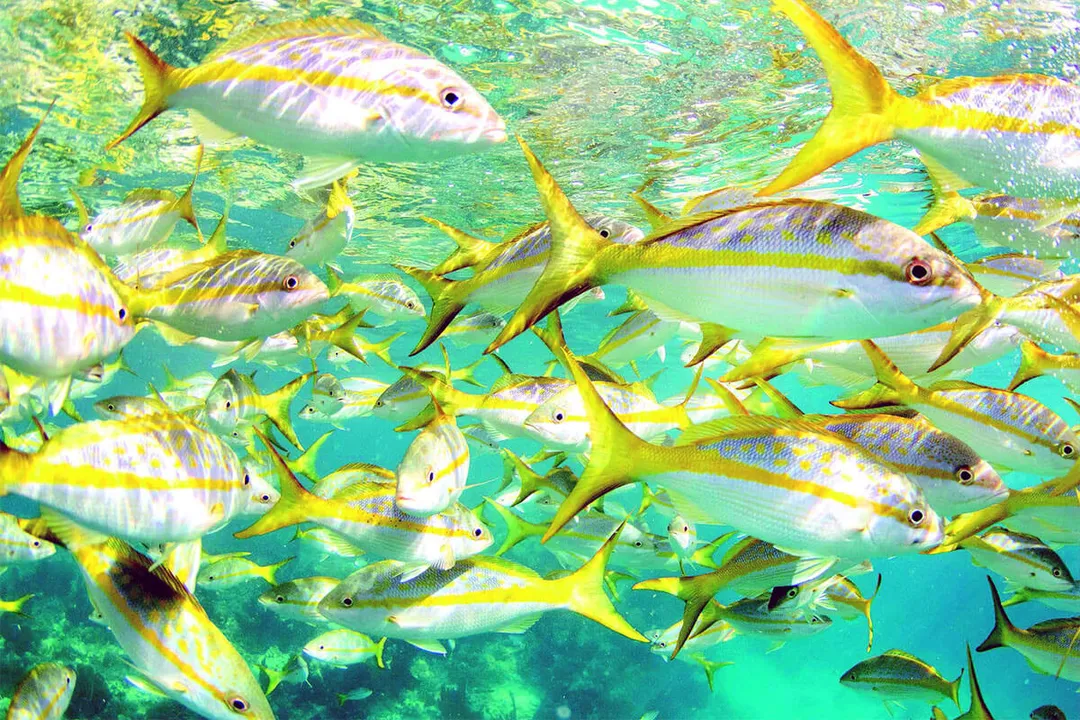
The successful location of Yellowtail Snapper is intrinsically linked to finding the right underwater geography. [5] They are primarily reef dwellers, preferring hard substrates, though they are often observed holding above the bottom rather than sitting directly on it. [5] Their natural diet of invertebrates and smaller fish means they associate with areas that concentrate this food source, often around reefs or wrecks. [5][9]
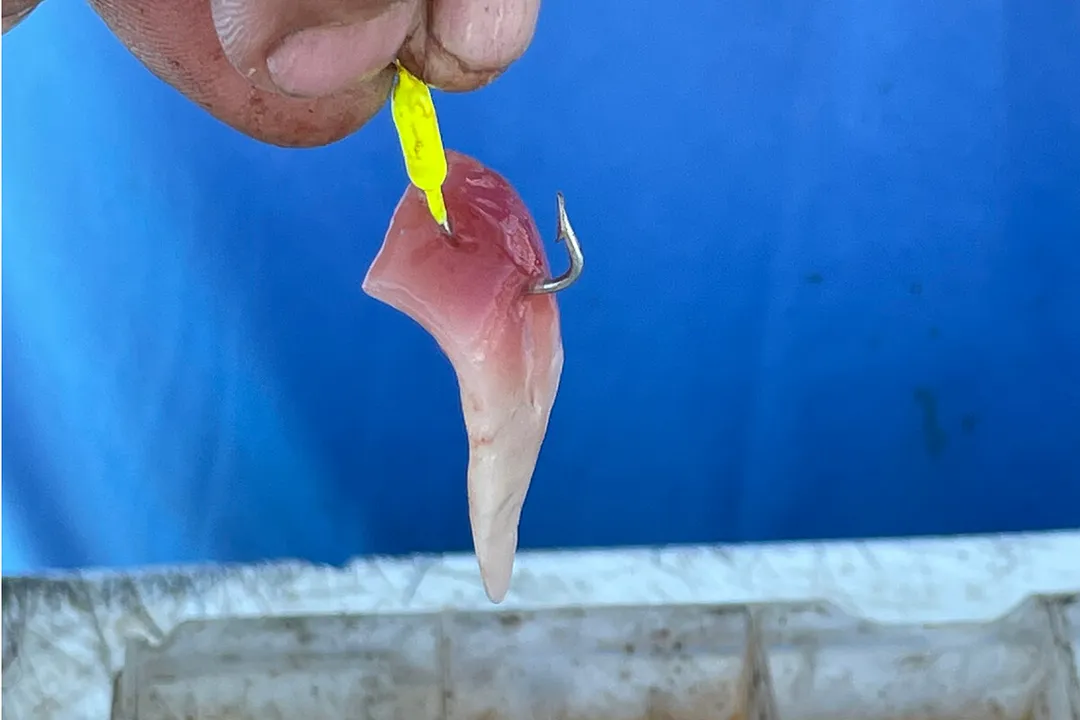
For the successful angler, the location isn't just a point on the map; it's a dynamic relationship between the fish, the structure, and the current. A common, successful approach involves setting up an anchor far enough upcurrent from a promising reef or marked structure so that the deployed chum slick drifts directly over the target area. [7] This steady flow of attractant keeps the usually wary Yellowtails grouped near the boat, increasing the chance that your nearly invisible presentation will be mistaken for a meal. [3][7]
# Fishery Rules
When planning a trip to any of these prime Yellowtail locations, understanding the local regulations is as crucial as knowing the depth contour. [6][7] Regulations vary significantly, even within US waters.
In Florida's state and federal waters, the recreational standard is a minimum size limit of 12 inches total length, forming part of a 10-snapper aggregate bag limit. [3][7] Those targeting reef fish from a private boat in Florida must also register for the free State Reef Fish Survey to aid fisheries management data collection. [7]
The rules change when crossing international lines:
- The Bahamas place a limit on the entire vessel for demersal fish (snapper and grouper) at 60 pounds or 20 fish, whichever comes first. [3]
- Cancun, Mexico, maintains a daily bag limit of 10 fish per angler, with a maximum of five being the same species. [3] It is important to note that while the U.S. stocks are generally assessed as not overfished, the Mexican population is widely considered to be in decline. [5]
It is wise for any angler venturing outside US waters to compare local requirements with federal guidelines, especially when returning to the U.S. as specific rules govern importing catch from places like the Bahamas. [6] Given the differing management effectiveness—U.S. areas have established catch limits and gear restrictions, while Mexican management is less specific—an angler's success rate can be indirectly tied to regulatory compliance and the health of the stock in that specific region. [5]
Related Questions
#Citations
Yellowtail snapper - Wikipedia
How to Go Yellowtail Snapper Fishing: The Complete Guide
Yellowtail Snapper - FishChoice
Beginner Guide to Yellowtail Snapper Fishing
Yellowtail Snapper - FWC
Snapper, Yellowtail - South Atlantic Fishery Management Council
How to Fish for Yellowtail Snapper in the Florida Keys
Yellowtail Snapper Fishing Reports (December 2025)
Yellowtail Snapper - Superior Foods Company